






'It has to stop now': Trump unsettles Netanyahu by declaring that Israel is 'forbidden' to attack Lebanon
The Israeli prime minister was stunned to learn from the media of a publication by President Trump that, in his view, contradicted the text of the ceasefire agreement signed hours earlier.
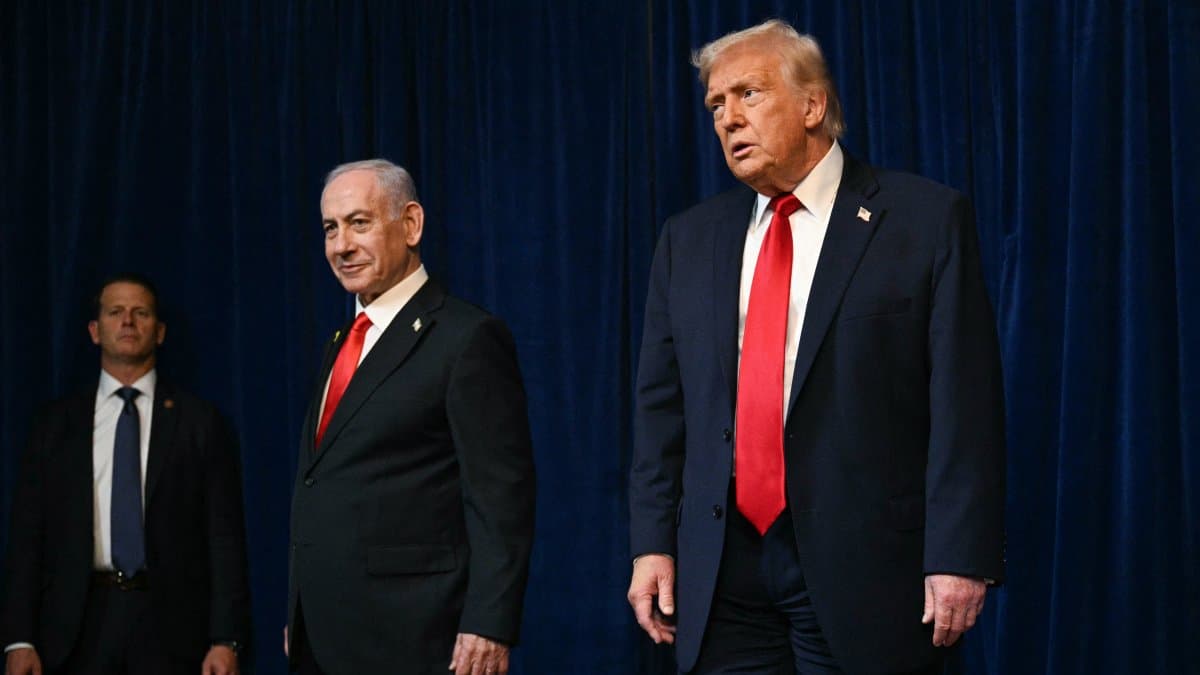

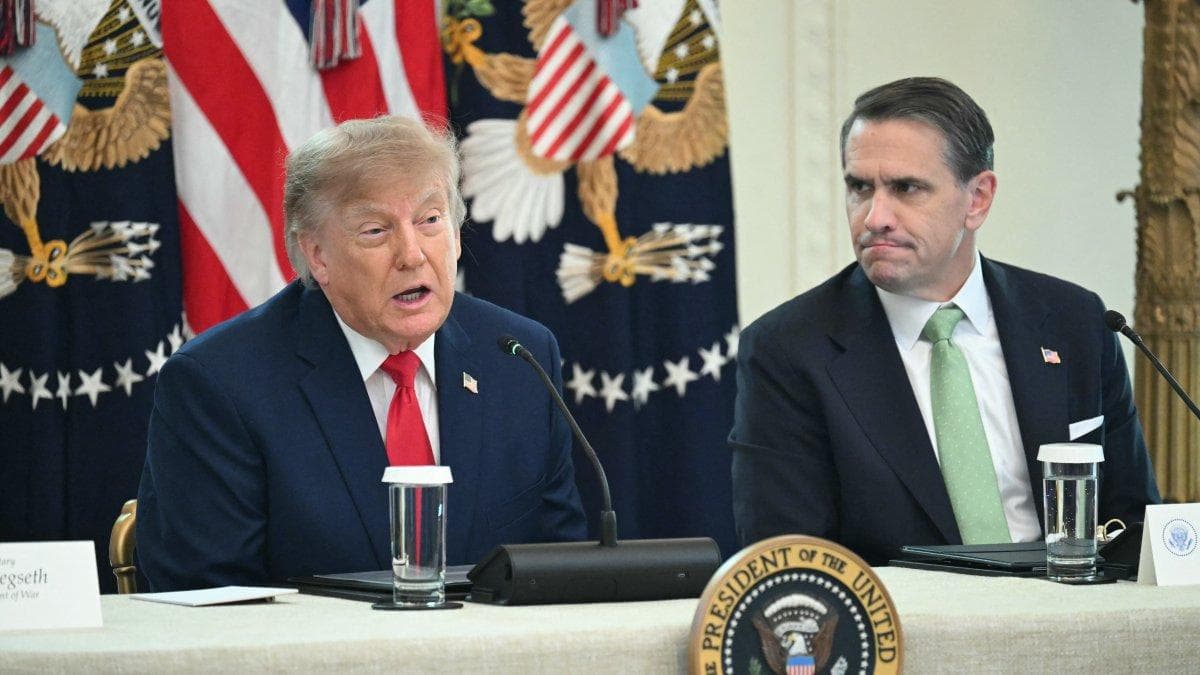
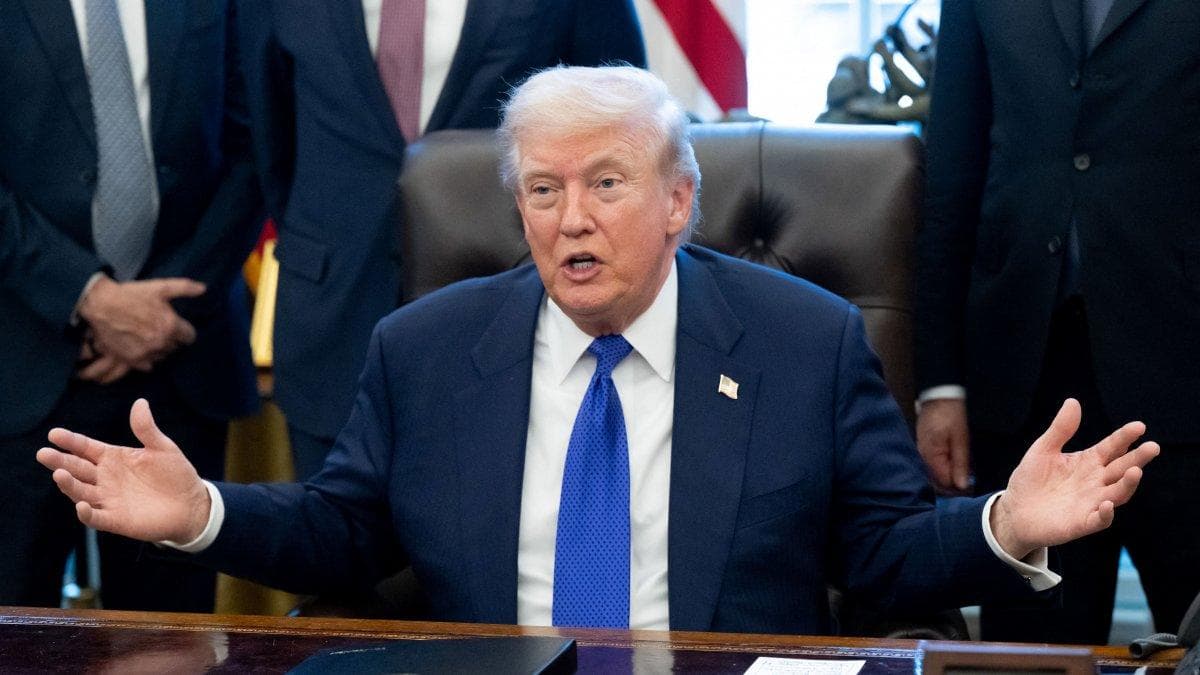
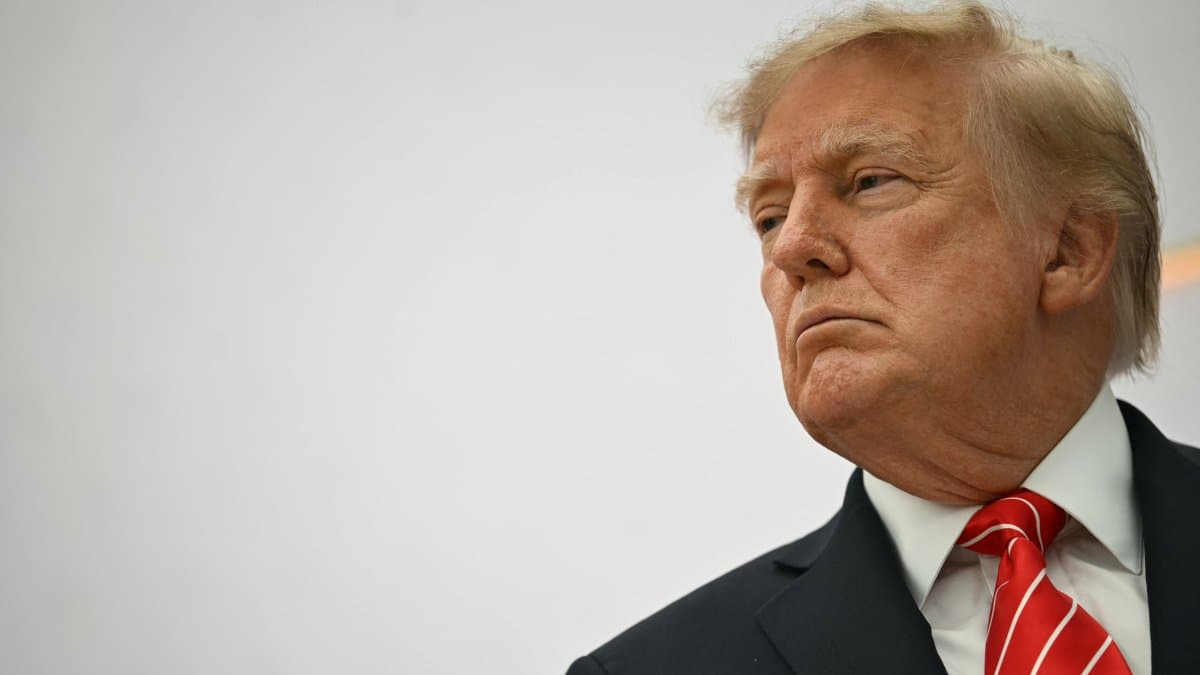
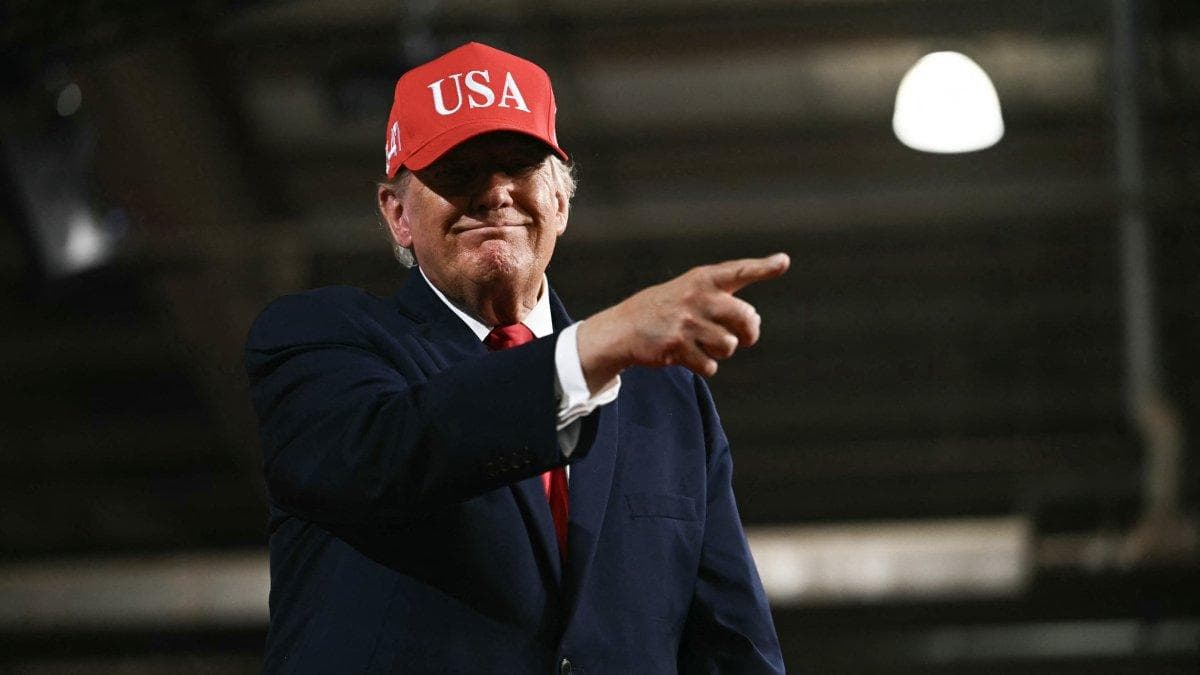
A post on Truth by President Donald Trump set off alarm bells and unsettled the Israeli government, including the country's prime minister, Benjamin Netanyahu. The U.S. president declared Friday that Israel is "prohibited" from bombing Lebanon, language that Israelis said directly contradicted the text of the cease-fire agreement that the State Department had released the previous day.
According to an Axios report, Trump's release left Prime Minister Netanyahu personally dismayed and concerned.
"The U.S.A. will get all Nuclear 'Dust,' created by our great B2 Bombers - No money will exchange hands in any way, shape, or form. This deal is in no way subject to Lebanon, either, but the USA will, separately, work with Lebanon and deal with the Hezbollah situation in an appropriate manner," the president wrote before warning Tel Aviv: "Israel will not be bombing Lebanon any longer. They are PROHIBITED from doing so by the U.S.A. Enough is enough!!! Thank you!"
In a subsequent interview with Axios, Trump was even more direct: "Israel has to stop. They can't continue to blow buildings up. I am not going to allow it."

A fragile cease-fire
According to the text of the agreement signed between Israel and Lebanon, published by the State Department, the Israeli army reserves the right to take military action "in self-defense, at any time, against planned, imminent, or ongoing attacks."
Israel, on the other hand, pledged not to conduct offensive operations against Lebanese targets but maintained its right to respond to Hezbollah threats.
Trump's release, according to Axios, worried Israeli officials because it made no distinction between offensive and defensive strikes. For Netanyahu and his government, the difference is not minor, as the cease-fire is politically sensitive in Israel, and the government had repeatedly emphasized that it would not be restricted from acting against Hezbollah if necessary.
According to Axios, Netanyahu and his team were not previously informed of the publication. They learned about it from the media. Almost immediately, Israeli advisers, including the ambassador to Washington, Yechiel Leiter, began moving urgently to understand whether Washington had unilaterally changed its position. Some Israeli officials even sought formal clarification from the White House, claiming that Trump's message contradicted the signed agreement.
Upon inquiry by Axios, a U.S. official clarified President Trump's statements: "The President's ceasefire agreement between Lebanon and Israel clearly states that Israel will not carry out any offensive military operations against Lebanese targets but preserves its right to self-defense against planned, imminent or ongoing attacks."
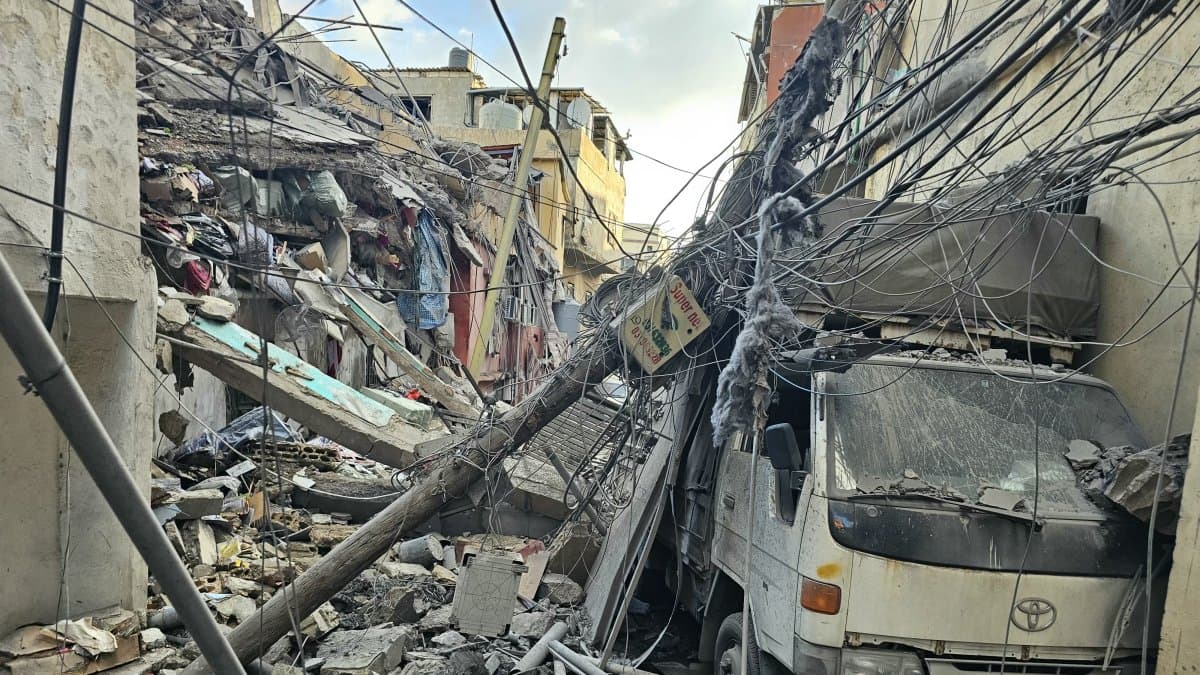
Shortly before Trump's interview with Axios, an Israeli drone conducted an attack in southern Lebanon. An Israeli source claimed that Hezbollah had violated the cease-fire by attacking Israeli forces inside the security zone and that the retaliation had been in self-defense.
The episode illustrates the fragility of the ceasefire and also the apparently new diplomatic tensions that may exist between Washington and Tel Aviv after the war in Iran was complicated and oil prices affected the global economy.
🛠 Do you think there is an error in this article?
Recommendations



LATEST