






Oil prices fall 10% after the announcement of the reopening of Hormuz
Since the outbreak of the war, Iran has closed this sea route, which is key for the transport of hydrocarbons, and this has caused oil prices to soar to almost $120 a barrel.


(AFP) Oil prices fell sharply Friday after Iran's announcement of a full opening of the Strait of Hormuz for the remainder of the truce with the United States.
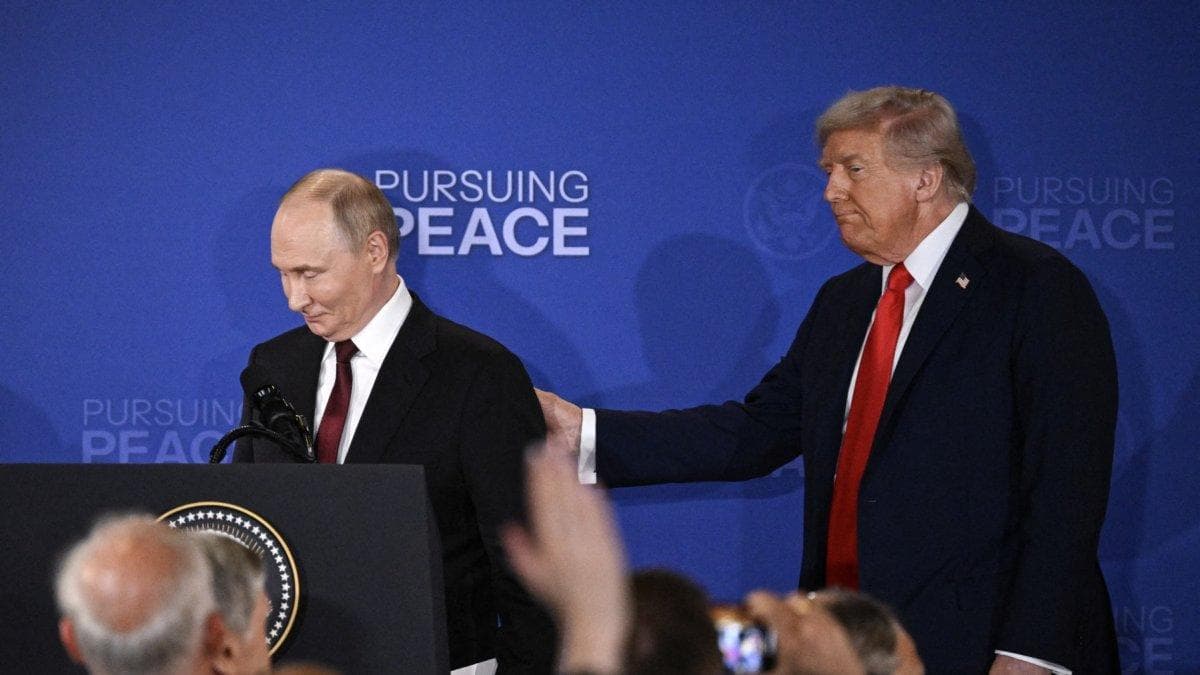
Prices of the international benchmark North Sea Brent crude and U.S. benchmark West Texas Intermediate (WTI) fell below $90 after Iranian Foreign Minister Abbas Araqchi said on X that "the passage of all commercial vessels through the Strait of Hormuz was declared fully open for the remaining period of the ceasefire."
The minister did not specify whether he was referring to the truce between the Israeli army and the pro-Iranian Hezbollah movement, which came into effect Thursday night in Lebanon for ten days, or to the ceasefire between the United States and Iran, which in theory ends on April 22.
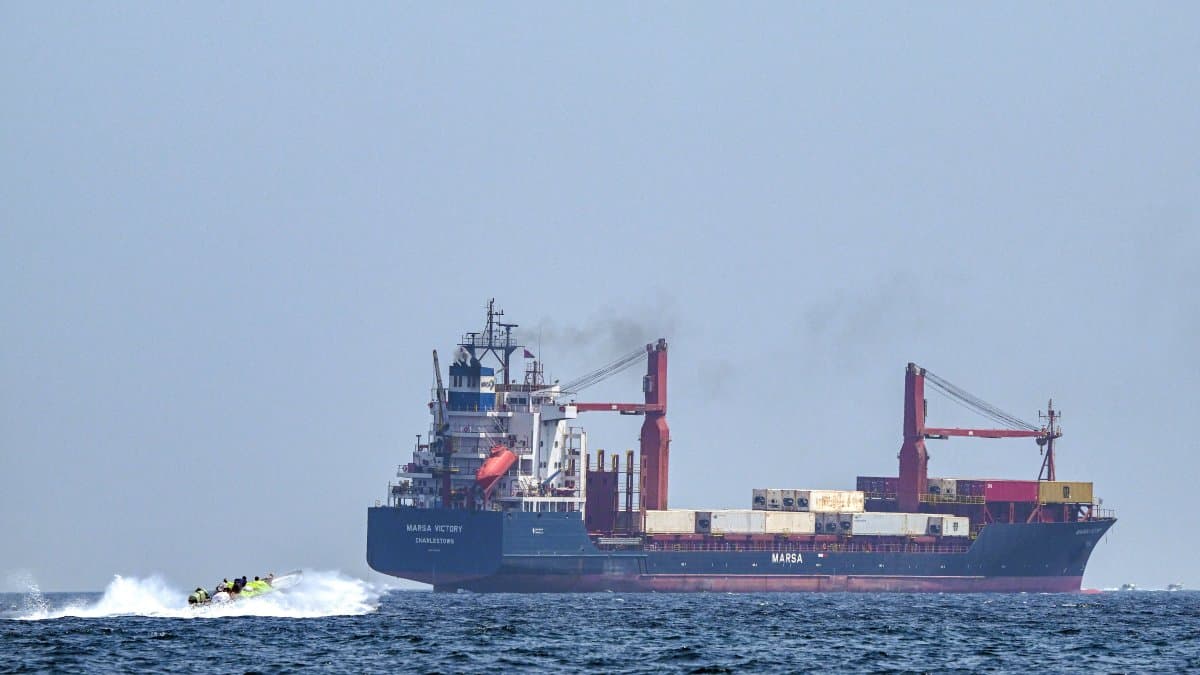
Since the outbreak of the war, Iran has closed that waterway, key to transporting hydrocarbons, and this has sent oil prices soaring to near $120 a barrel.
"This news is having an immediate impact on the markets," noted Kathleen Brooks, director of research at brokerage firm XTB.
"So far, this has been the biggest change during the ceasefire and it gives hope that the war is going to end soon and that supply chains are going to return to some normalcy," she added.

Wall Street's major indexes soared at the start of the session, with both the S&P 500 and the Nasdaq Composite continuing to rise after hitting record highs the night before.
Meanwhile, European stock markets rose in the afternoon, with Frankfurt and Paris up 2%.
🛠 Do you think there is an error in this article?
Recommendations







LATEST