US enforces its naval blockade against Iran: Six ships turned away without a single shot fired
In the first 24 hours of the siege, U.S. warships intercepted ships attempting to leave Iranian ports. Five were carrying oil. None resisted.
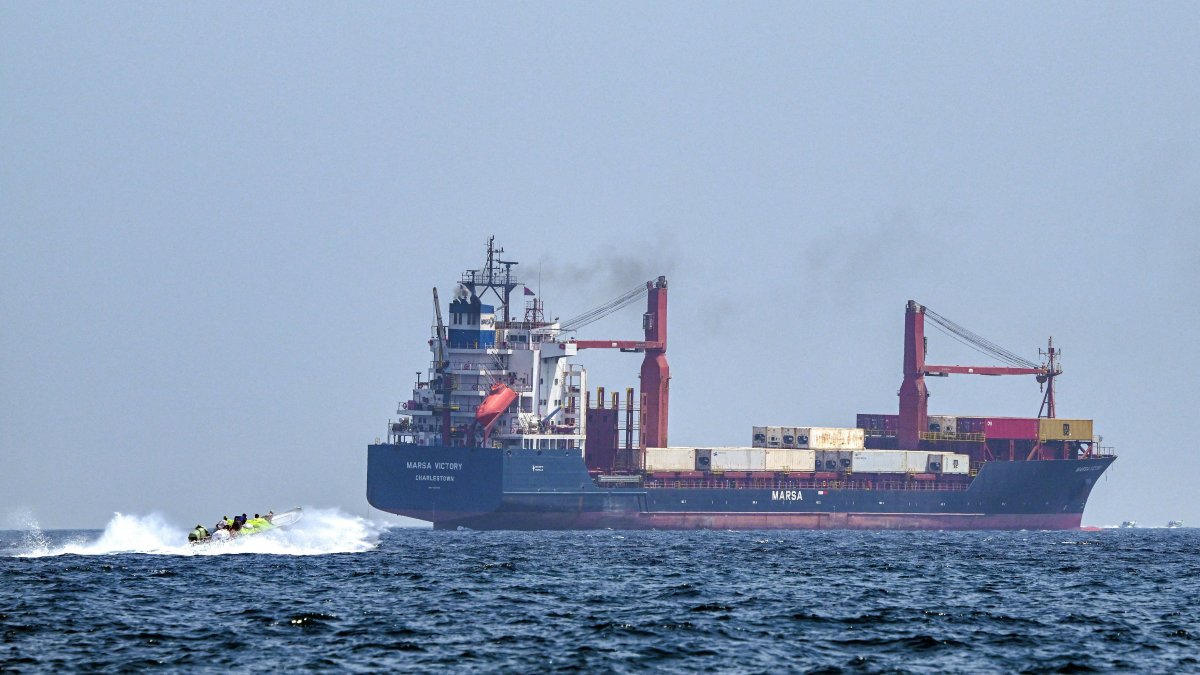
Oil tanker in the waters of the Strait of Hormuz/ Giuseppe Cacace

The naval blockade that the United States imposed on Iranian ports got its first test on Monday, with six vessels intercepted in total without firing a shot.
According to NBC News, five of the six vessels were carrying oil. The contents of the sixth were not disclosed. Two of the tankers reversed course in the first two hours since the blockade went into effect, an early sign that the U.S. warning was being taken seriously by the vessels.
In none of the encounters were there any major complications, and military personnel did not board any of the vessels despite having authorization to exercise force.


The operation is supported by more than 100 combat and surveillance aircraft and by more than a dozen vessels deployed in the Gulf of Oman. The strategy involves identifying ships leaving Iranian ports and coastal areas through radar and surveillance systems, contacting them by radio and ordering them to turn around before they can continue their route. Ships are directed back to Iranian ports in the Gulf of Oman, not through the Strait of Hormuz, because the United States has more assets and response options in that area.
According to officials, if any ship refused to obey, the U.S. military has the authority to use force, including fighter jets or warships, to shoot at it. So far, none has reached that point.
Blockade after failed negotiations
The blockade is the latest escalation in a conflict that has been ongoing for more than six weeks. Trump announced it on Sunday following the failure of negotiations with Iran to reach a deal to end the war. Since fighting resumed last Friday, traffic through the Strait of Hormuz, where roughly 20% of the world's crude oil and gas transits, has slowed to a near standstill, sending oil prices and other key goods soaring globally.
In addition to the six intercepted ships, a Chinese tanker identified as Rich Starry transited the area without being blocked. The reason, according to U.S. officials cited by NBC News, is that the vessel departed from the United Arab Emirates rather than Iranian ports, so it did not violate the terms of the blockade. It is unknown whether it paid any tolls to Iran during its transit.
LATEST