






Overreach or persecution? Why a federal judge ordered Trump's name removed from the Kennedy Center
Trump sharply criticized Judge Christopher Cooper denouncing the ruling as blocking indispensable reforms at a complex afflicted by physical deterioration and neglect.

A U.S. District Court judge in Washington preliminarily ruled to block restoration work contemplating the temporary closure of the John F. Kennedy Center for the Performing Arts.
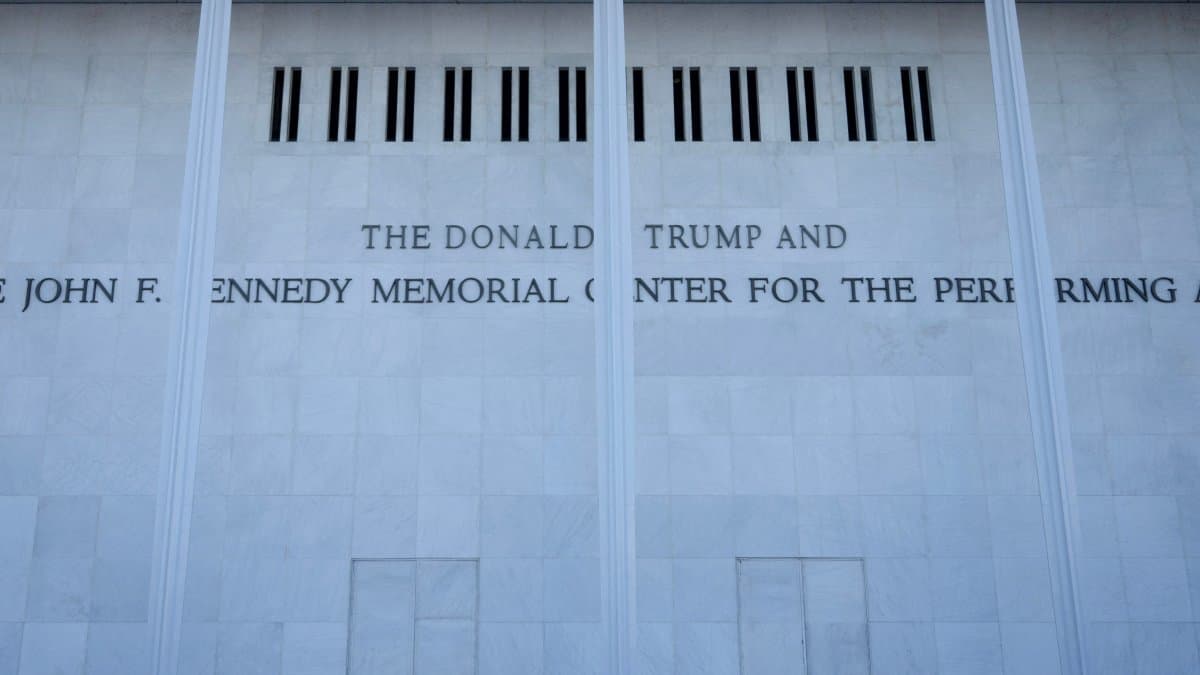
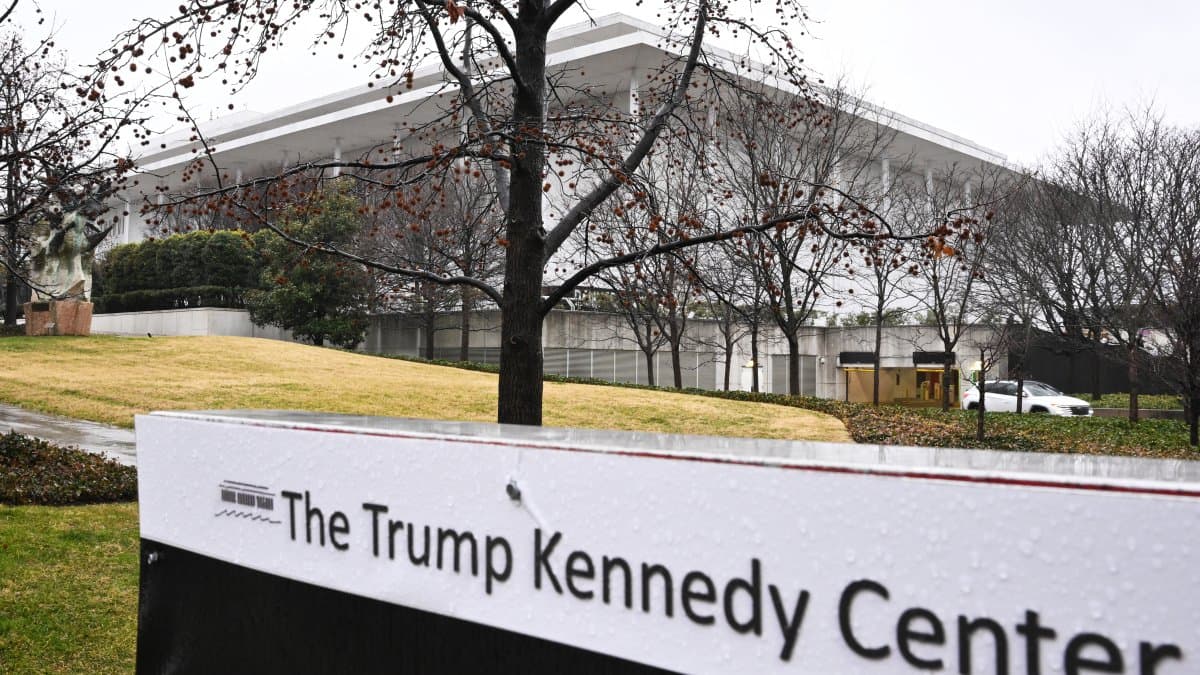
Also, the ruling declared illegal the board's resolution incorporating the name of President Donald Trump on the facade of the complex, ordering the removal of the nomenclature from both the physical infrastructure and official computer portals.
The ruling, written in a 94-page document by federal Judge Christopher Cooper, stipulates that the compound's board of trustees exceeded its legal powers by altering the title of the national memorial.
The magistrate emphasized that the center's constituent statute unambiguously fixes the exclusive dedication toward the nation's 35th president, John F. Kennedy.
"The Kennedy Center's organic law makes it crystal clear that the Center must bear President Kennedy's name, and cannot bear any other formal name or public memorial based on the Board's unilateral decision. Congress gave the Kennedy Center its name, and only Congress can change it," Cooper ruled.
The institutional argument and the board's response
The administration's legal defense had argued in court that the inscription placed on the main entrance - which read "The Donald J. Trump and John F. Kennedy Memorial Center for the Performing Arts" - did not constitute a substitution of the property's identity, but rather the application of a secondary designation.
Judge Cooper dismissed that argument, noting that the inclusion of the new label relegates to secondary status the original tribute, granting a period of 14 days for the restitution of the previous status.
Faced with the ruling, the official spokesperson of the cultural complex manifested its disagreement and ratified the intention of appealing to the higher judicial instances to reverse the measure.
Roma Daravi, spokesperson for the Kennedy Center, expressed in a statement, "We are confident that on appeal the court will confirm the Board's willingness to recognize President Trump's historic contributions to our nation's cultural center."
Suspension of structural restoration plan
The court ruling also vacateda vote taken by the board in March, where it had stipulated a total cessation of activities for a two-year period, scheduled to begin after the Fourth of July holiday.
The temporary closure had been proposed by the president himself - who assumed the presidency of the board of directors last year - under the premise that the total closure represented the most efficient and economical methodology for executing the pending repairs.
Judge Cooper called the trustees' determination as a measure taken under a one-sided briefing, accusing them of failing to weigh the adverse impact on cultural programming.
Despite the restraining order, the verdict clarifies that priority maintenance work may continue its course and that an eventual ordered closure remains feasible if the board rethinks the procedure in accordance with the corresponding administrative regulations.
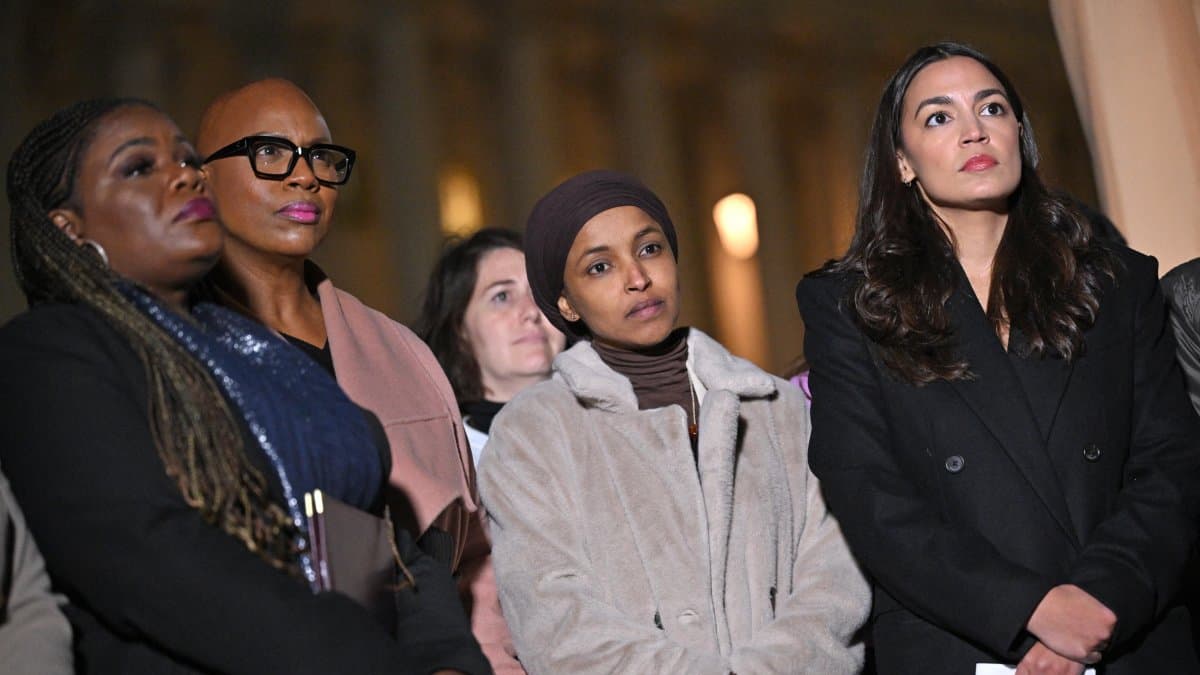
The legal action that gave rise to the ruling was brought by Ohio Democratic Representative Joyce Beatty, in her capacity as an ex officio member of the center's board of directors. After learning of the ruling, Beatty stated that the closure attempts lacked legal support, arguing that the institution belongs to the American people.
For their part, the lawmaker's legal representatives, Norm Eisen and Nathaniel Zelinsky, celebrated the judicial decision.
Trump denounces ideological motivations and orders the transfer of the center.
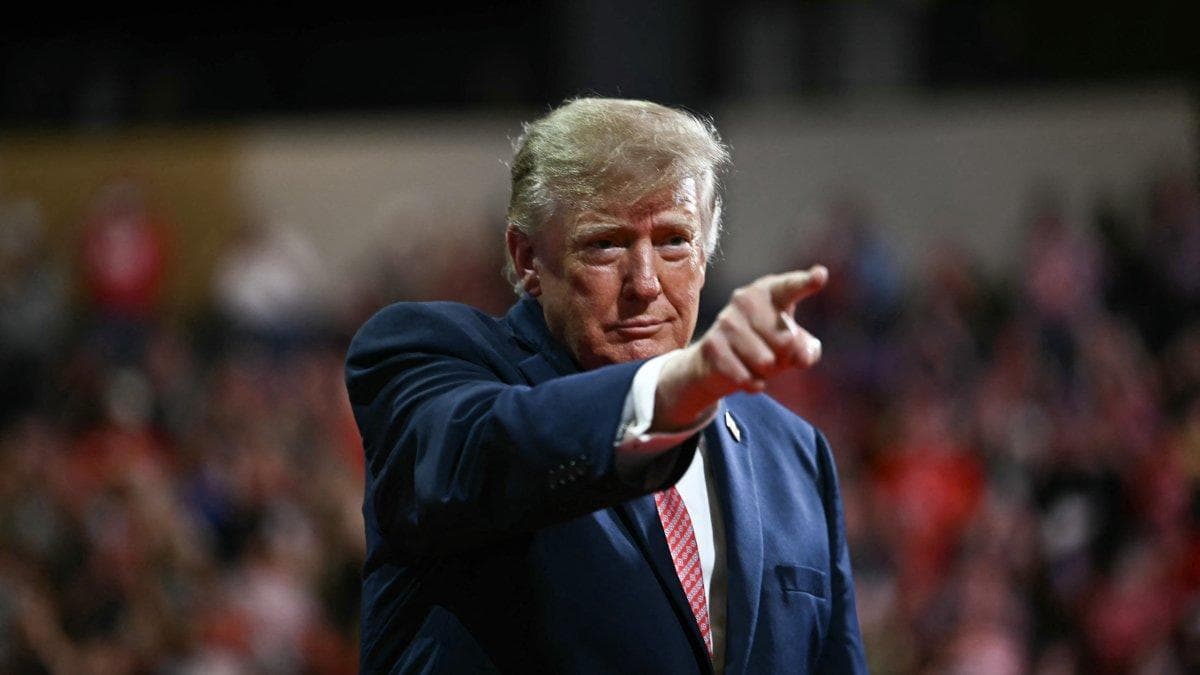
The U.S. president's response was not long in coming, manifesting his rejection of the ruling through his Truth Social. platform.
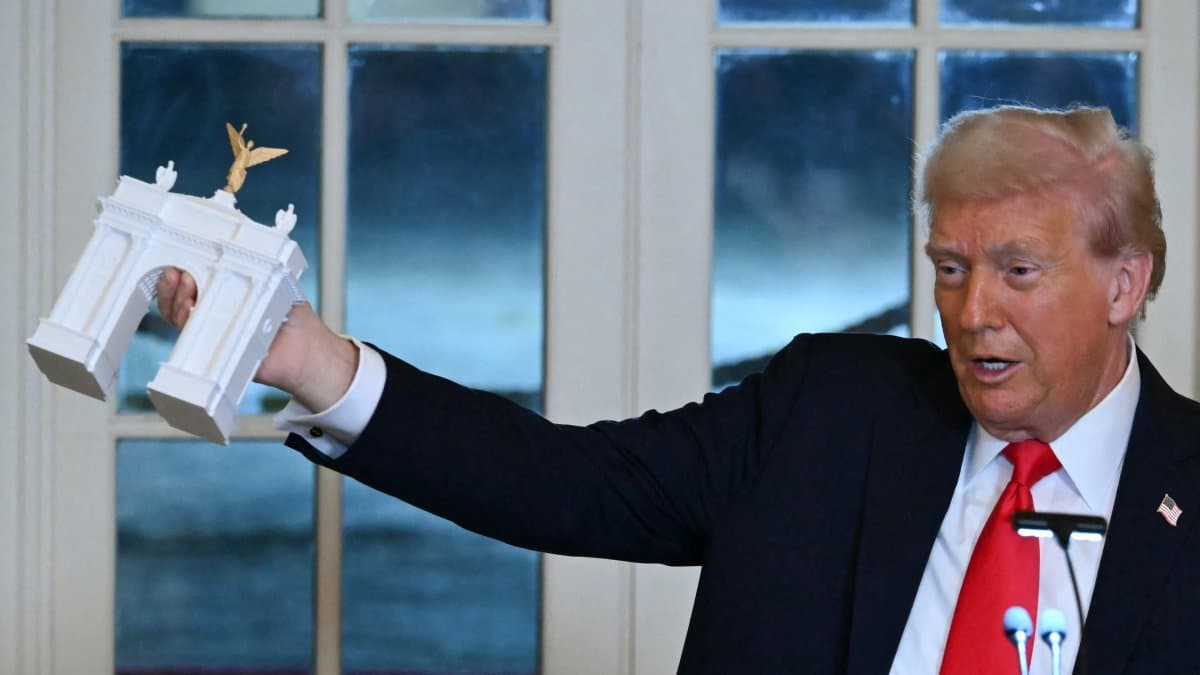
In his statement, Trump sharply criticized Judge Christopher Cooper - whom he singled out for having been appointed during the Barack Obama administration - denouncing that the ruling blocks indispensable reforms in a complex affected by physical deterioration, neglect and chronic lack of structural maintenance.
He also defended the backing of the 36-member board of trustees, detailing that the name change represented a legitimate recognition of the White House renovation plan.
The president remarked the unfavorable fiscal performance of the Kennedy Center prior to the executive's intervention, assuring that the institution was registering annual losses exceeding $100 million due to deficient management and poorly executed construction budgets.
Trump contrasted this scenario with his administration's plans to turn the internationally recognized internationally recognized, equating it with the architectural and landscape restoration projects successfully implemented with the Department of the Interior in various historic monuments of the federal district.
Finally, given the impossibility of executing the structural and aesthetic adaptations under the conditions dictated by the court, the president announced the cessation of the Executive's participation in the administration of the precinct to safeguard the safety of users in the face of technical failures documented by specialists.
Accordingly, Trump confirmed having instructed the Department of Commerce to coordinate with Congress the absolute transfer of the operation, maintenance and management responsibilities of the Kennedy Center, returning jurisdiction of the facility to the legislative branch.
🛠 Do you think there is an error in this article?
Recommendations


LATEST