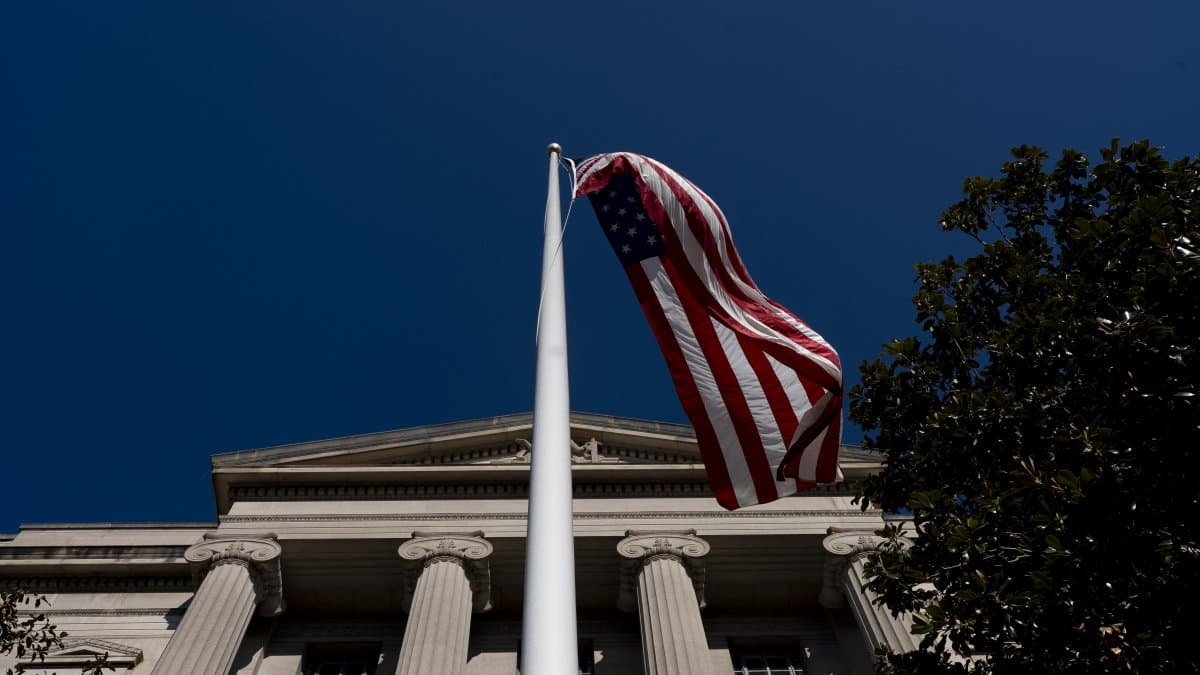







A ‘fragile’ ceasefire
Vice President J.D. Vance warns of the precariousness of the ceasefire as the Revolutionary Guard Corps warns it has a "finger on the trigger" and continues to attack neighboring countries.

The United States and Iran on Wednesday begin a precarious ceasefire that should last two weeks and allow the Strait of Hormuz to fully reopen, although hours after the announcement, attacks continued in the Gulf.
Two ships were able to cross this strategic sea lane, but mistrust still reigns on both sides.
U.S. Vice President J.D. Vance warned that the ceasefire is "fragile," and the Revolutionary Guard Corps made it clear that it has a "finger on the trigger" and "no confidence" in Washington's promises.
On the ground, Kuwait said it has been the target of an intense wave of Iranian attacks in recent hours, which damaged oil facilities, power plants and desalination plants, according to the military.
The United Arab Emirates said Wednesday that 17 Iranian missiles and 35 drones had struck its territory.
"Blatant Iranian attacks since the ceasefire went into effect have reached 17 ballistic missiles and 35 drones, and air defenses have successfully neutralized them," the UAE Defense Ministry said in a statement on X.
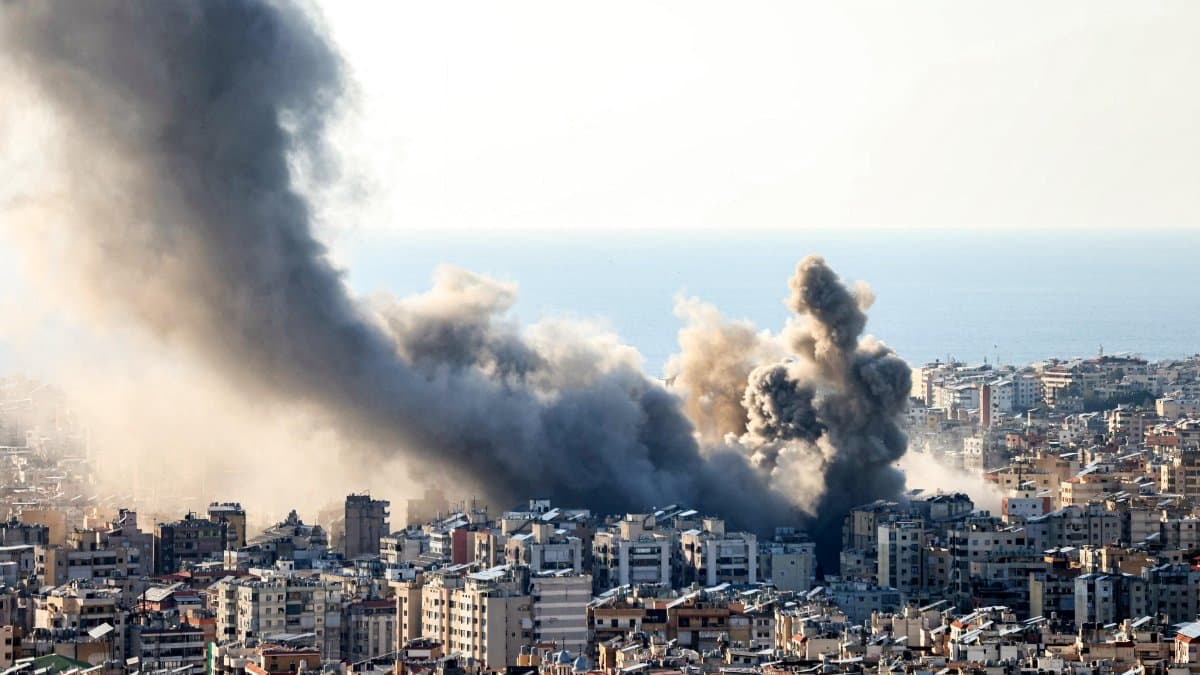
This Wednesday, Israel also continued bombing Lebanon, both the south of the country and the southern periphery of Beirut, targeting Hezbollah, assuring that the truce does not concern that country, contrary to what Pakistan had said. Israeli authorities assured that these were the "largest coordinated attacks" in all of Lebanon.
Politics
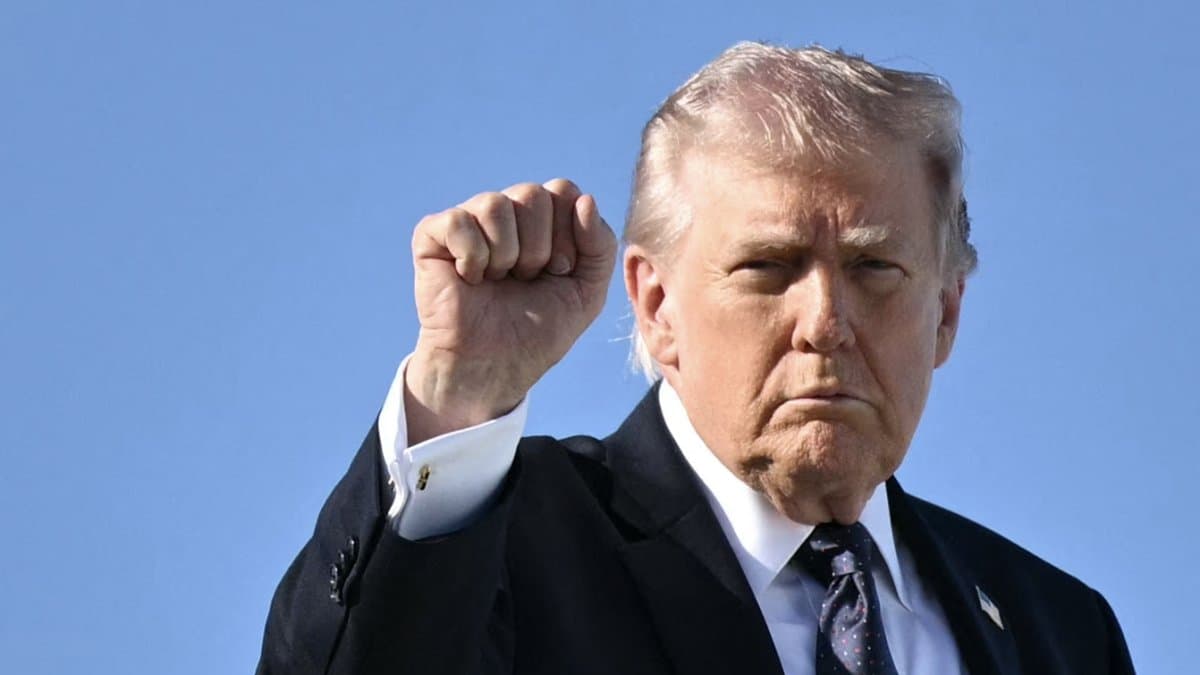
Five keys to understanding Trump's two-week ceasefire with the Iranian regime
Carlos Dominguez
After a Tuesday filled with bombings and threats to annihilate Iranian "civilization" by U.S. President Donald Trump, the announcement of a ceasefire fell in the middle of the night in Iran.
Trump: "The United States will work closely with Iran"
"It is now, and has been, under very exacting Satellite Surveillance (Space Force!). Nothing has been touched from the date of attack. We are, and will be, talking Tariff and Sanctions relief with Iran. Many of the 15 points have already been been [sic] agreed to," the president wrote on Truth Social.
U.S. Secretary of War Pete Hegseth signaled that Iran will have to give up its stockpile of highly enriched uranium or the U.S. "will take it."
The Pentagon chief said the U.S. is keeping Iran's stockpile under surveillance and suggested another bombing attack similar to the one against suspected sites in June could be carried out.
"We're watching it. We know what they have, and they will give it up, and we'll get it, and we'll take it. If we have to, we can do it in any, any means necessary," Hegseth said.
🛠 Do you think there is an error in this article?
Recommendations




LATEST