ANALYSIS
First ship of controversial flotilla docked in Havana: More partying in midst of crisis
Millions of people on the island, and around the world, have described this initiative and its more than 600 participants as a "political spectacle" that benefits communist Cubans more than ordinary people.
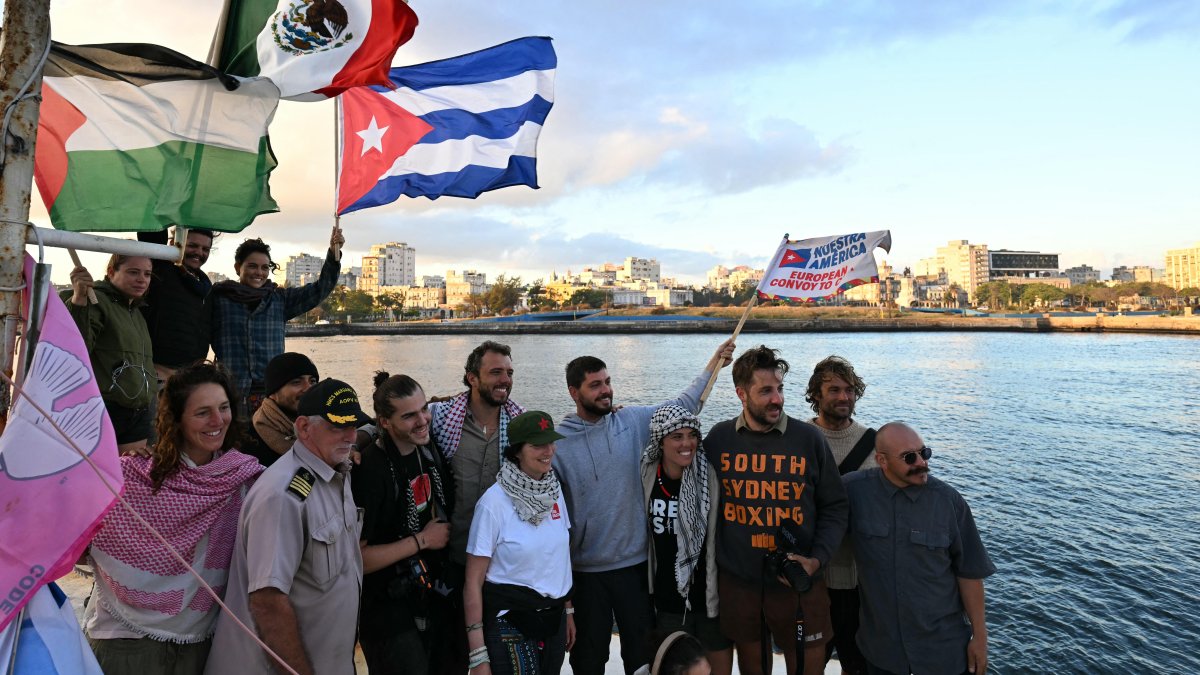
Communist activists arrive in Cuba as part of an aid flotilla.

The first ship in a flotilla carrying medical supplies, food and solar panels arrived in Cuba this Tuesday to, it says, help the island as it goes through the worst crisis in its recent history.
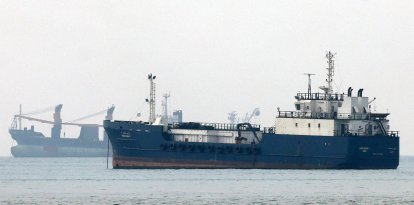
The shrimp vessel Maguro docked in Havana three days behind schedule after embarking on a voyage from Mexico. Two other ships are expected to arrive in the next few hours from this same destination.
The first shipments of this controversial initiative christened Convoy Our America arrived by plane from Europe, Latin America and the United States last week as part of an air and sea mission to bring some 50 tons of aid to Cuba. So far, regime authorities on the island have not explained how such aid will be distributed.
Millions of people on the island, and around the world, have described this flotilla and its more than 600 participants as a "political show" that benefits communist Cubans more than ordinary people.
A political safari through a city in ruins
The country has suffered seven national blackouts since 2024 - two of them in the last week - due to the aging of its thermoelectric power plants and oil shortages. The shortage of food and medicines, coupled with shortages of basic necessities, political repression and overflowing garbage in the streets, account for the end of the Castro regime.
What the members of the convoy have sold as a humanitarian gesture has become a focus of controversy. The denunciations have spread in the networks, and the first impression after seeing the images circulating from the Cuban capital is that the initiative, promoted by leaders of the international left, is nothing more than a propagandistic operation that serves as an alibi for the regime of Miguel Díaz-Canel, while the Cuban people continue to live in extreme conditions of poverty.

LATEST