Drone strikes against gangs in Haiti leave more than 1,200 dead
For years, gangs have imposed their control through kidnapping, rape, robbery and looting, aggravating the security crisis in the continent's poorest country.
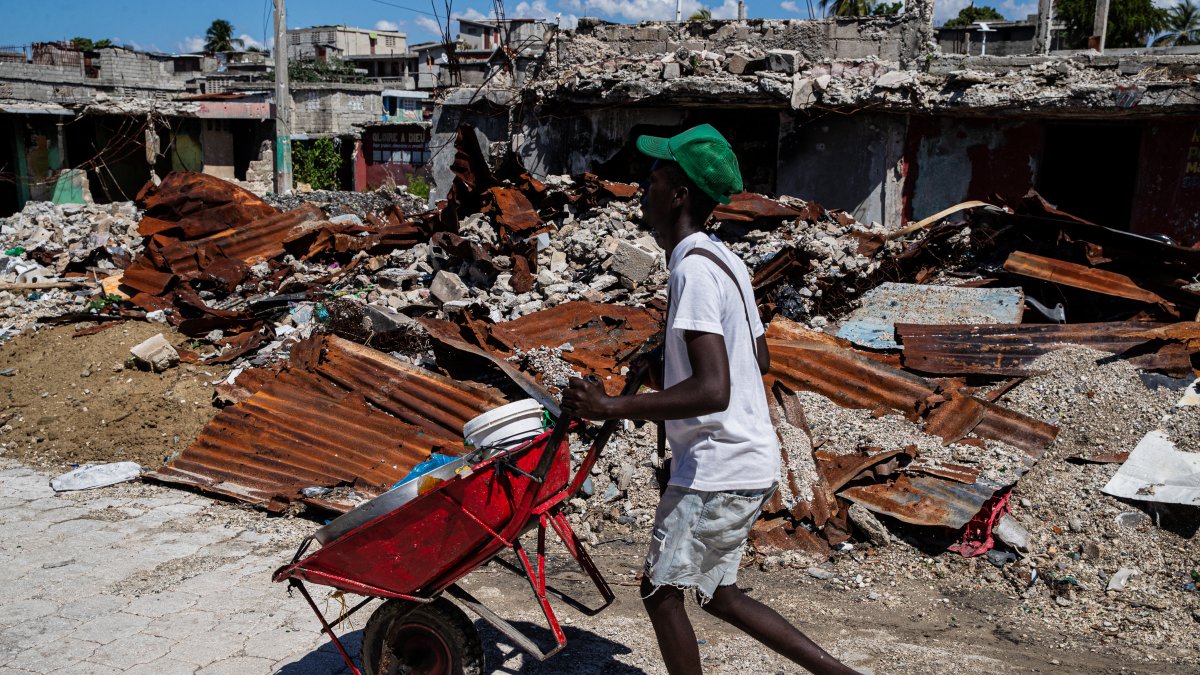
A shopkeeper walks around houses destroyed by armed gangs in a Haitian neighborhood.

More than 1,200 people were killed in the past year in drone attacks targeting gangs in Haiti, as part of a security offensive aimed at reclaiming territories controlled by criminal gangs, according to a report released Tuesday by Human Rights Watch (HRW).
The report documents 141 explosive drone operations between March 1, 2025, and Jan. 21, 2026, that left at least 1,243 dead. Although most of the victims would be members of criminal groups, the organization also denounced the death of civilians, including children.

Strategy of the provisional government
The operations are part of the strategy of the interim government headed by Prime Minister Alix Didier Fils-Aimé to curb the power of the gangs, which dominate large areas of the country and especially the capital, Port-au-Prince.
For years, the gangs have imposed their control through kidnappings, rapes, robberies and looting, aggravating the security crisis in the poorest country on the continent.
The drones used in the operations were provided by the private company Vectus Global with special authorization from the U.S. State Department.
Criticism for the death of civilians
"Dozens of people, including many children, have been killed or injured in these operations," said Juanita Goebertus, director of HRW's Americas Division, who called for greater oversight over the use of this technology by security forces.
Drone attacks doubled
HRW further noted that the intensity of attacks has increased in recent months: at least 57 incidents were recorded between November and Jan. 21, roughly double the number of previous months.
On average, each drone operation left eight fatalities, although the deadliest documented attack caused 57 deaths.

Haiti is going through a deep political and security crisis. The country has not held elections since 2016 and the transitional government faces great difficulties in containing gang violence as it prepares legislative and presidential elections.
At the same time, 18 countries led by the United States agreed to deploy a new international force to support the fight against armed gangs.
LATEST