The UN warns that Nicaragua operates a transnational network to monitor and persecute its exiles
Among the measures reported is the arbitrary withdrawal of nationality from 452 citizens, in addition to leaving thousands of exiles in a situation of de facto statelessness by denying them the renewal of documents or preventing their return to the country.
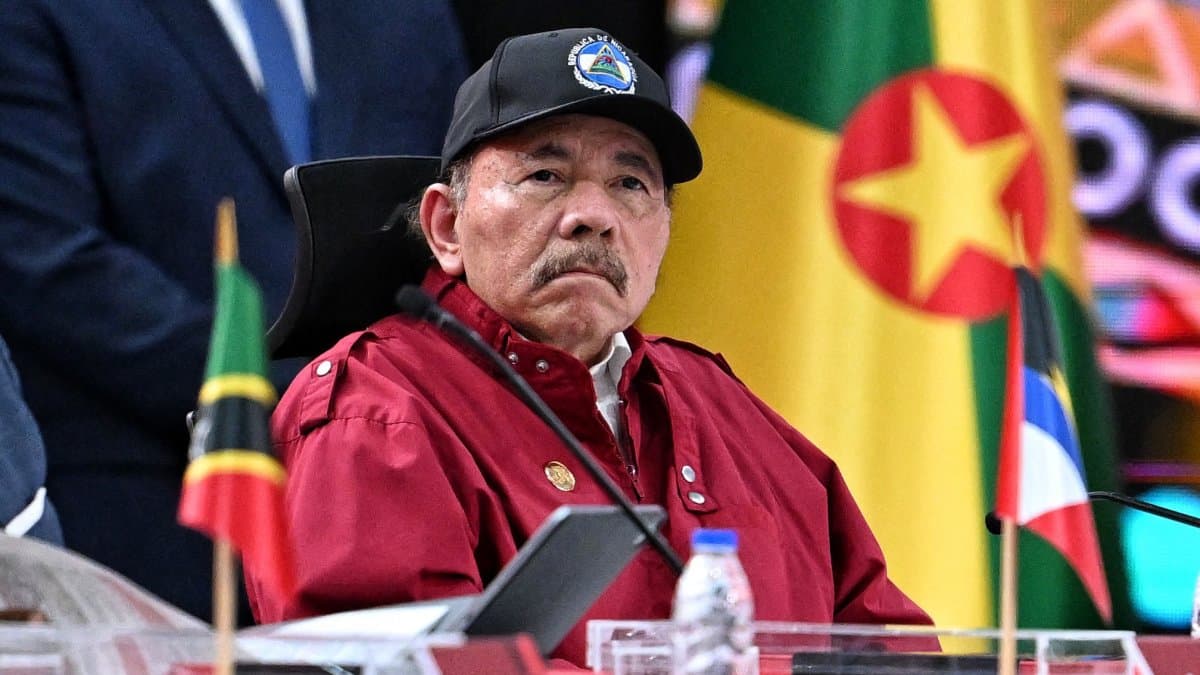

United Nations experts warned on Tuesday that Daniel Ortega maintains an extensive transnational surveillance, intelligence and intimidation network against opponents in exile, which reaches hundreds of thousands of Nicaraguans outside the country.
A report by the Group of Experts on Human Rights on Nicaragua describes a state structure designed to monitor, harass and attack critics of the dictatorship even outside the country's borders.
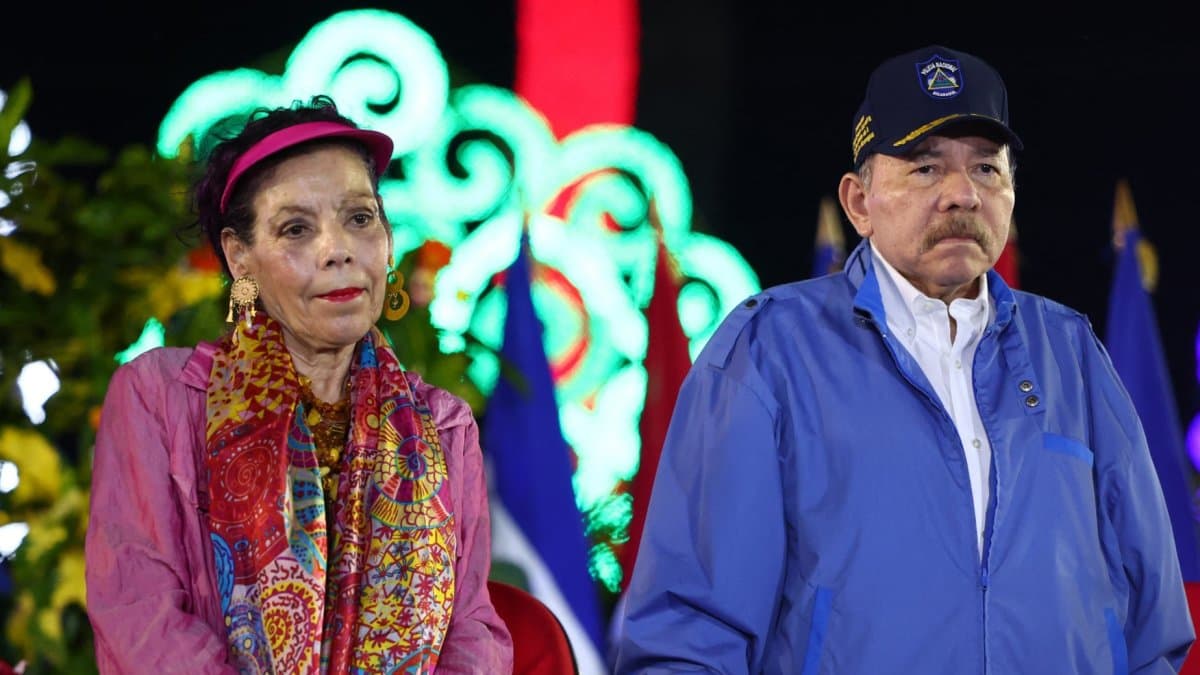
According to experts, this network would be sustained by different state institutions, including the army, the police, immigration authorities and diplomatic missions, under the control of Ortega and Vice President Rosario Murillo.
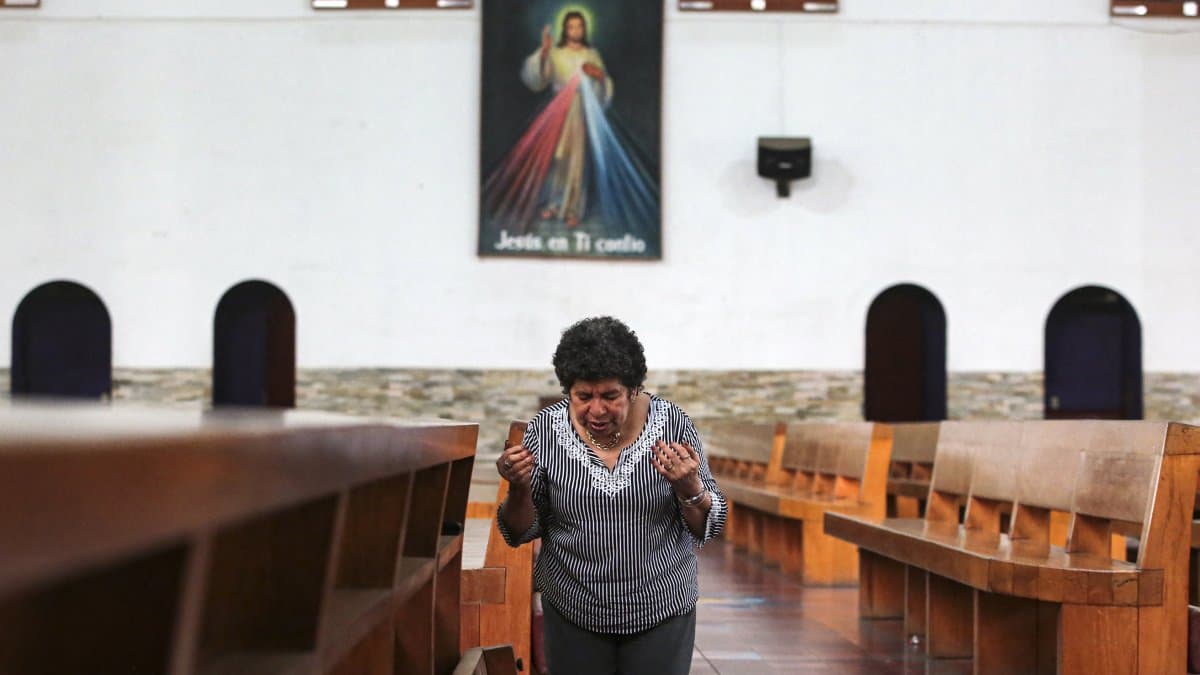
Regime's political repression extends beyond Nicaragua
The document, to be presented on March 16 before the U.N. Human Rights Council in Geneva, denounces that the regime's political repression extends beyond Nicaragua to persecute its critics abroad.
Among the measures pointed out is the arbitrary withdrawal of nationality from 452 citizens, in addition to leaving thousands of exiles in a situation of de facto statelessness by denying them the renewal of documents or preventing their return to the country.
The report also states that public resources have been diverted since 2018 to finance this repression machinery, by creating a parallel structure within the ruling party.
Ensuring that "no one, absolutely no one, gets in the way of the regime"
"The system of repression and institutional corruption has become a method of governance in Nicaragua," said Jan-Michael Simon, chairman of the think tank.
According to Simon, the political persecution is financed by the state and executed through its institutions, with the aim of ensuring that "no one, absolutely no one, gets in the way of the regime."
The report also warns that the persecution against dissidents in exile has included violent attacks. At least a dozen assassinations or assassination attempts against government critics have been reported outside the country.
These include the June 2025 assassination in Costa Rica of retired army major and opponent Roberto Samcam.
For Reed Brody, another member of the group of experts, the diversion and misuse of public resources has directly contributed to the commission of serious human rights violations.
A mechanism to expose abuses committed in Nicaragua since 2018
The Group also urged the Government to unconditionally release all persons detained for political reasons and to fully restore the human rights of civil society, media and religious institutions, in addition to allowing unrestricted access to the country for international monitoring mechanisms, including the Group of Experts, to oversee the safe return of exiled persons, as well as justice and reparations processes.
🛠 Do you think there is an error in this article?
Recommendations







LATEST