ANALYSIS
Two birds with one stone: How US attacks on Iran also affect China
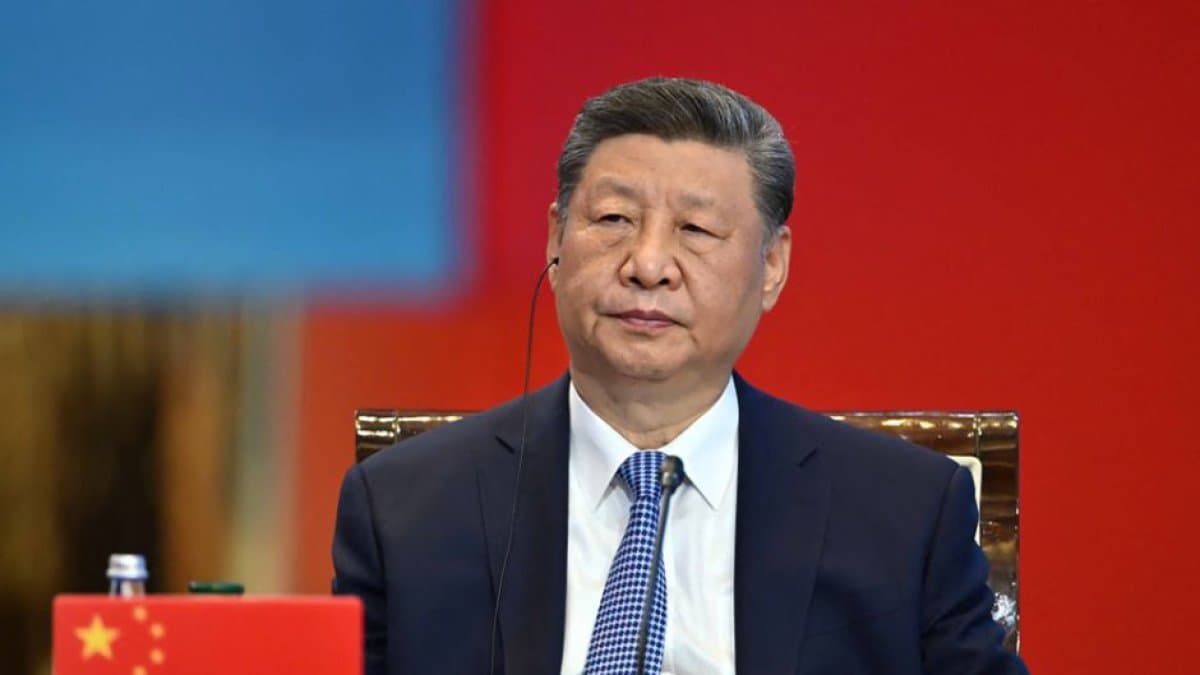
Beijing is critically dependent on the Strait of Hormuz, largely controlled by Iran, to secure its oil supply, and recent developments in the region have put that dependence at the center of global energy tension.
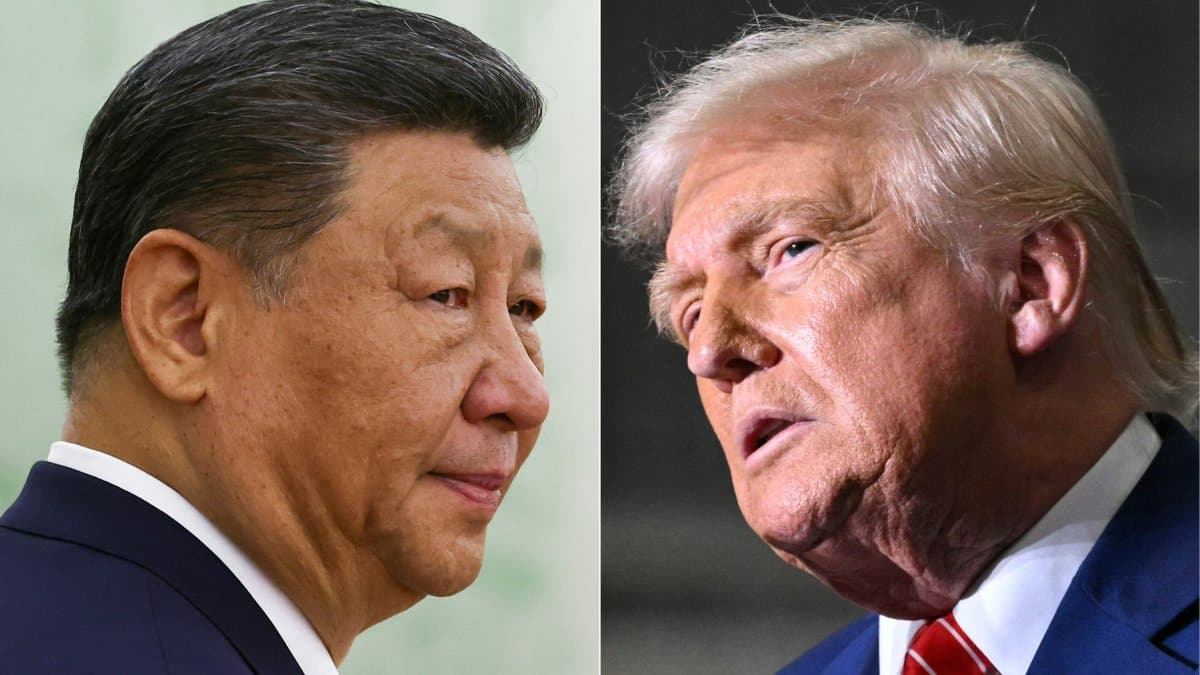

Last Saturday, the Trump administration conducted a direct military strike against Iran in which, during a joint operation with Israel, the Iranian supreme leader, Ayatollah Ali Khamenei, was killed. This action not only reconfigures the balance of power in the Middle East, but also generates significant economic repercussions for China, putting it in front of a structural dilemma in its energy supply, specifically crude oil.
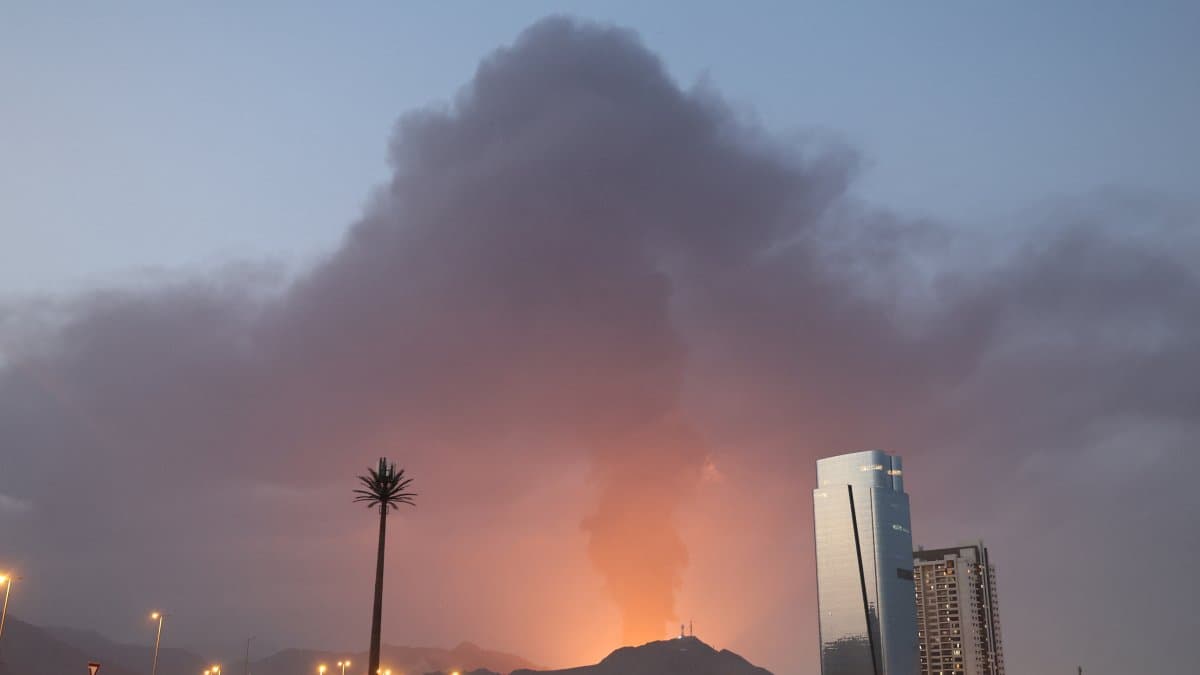
Beijing is critically dependent on the Strait of Hormuz, largely controlled by Iran, to secure its crude oil supply, and recent developments in the region have put that dependence at the center of global energy tension.
According to an analysis published by Politico, based on data from market intelligence firm Kpler, in 2025 the Iranian regime solidified its position as China’s second-largest oil supplier—trailing only Saudi Arabia—exporting 520 million barrels directly to the country.
A geopolitical turnaround after Maduro's capture
Last month, the Trump administration captured former Venezuelan dictator Nicolás Maduro, whose country had China as one of its main crude oil buyers. Immediately after the U.S. operation in Venezuela, Trump explicitly cast the action in broad and direct terms of involvement and economic benefit to the United States.
"We’re going to have our very large U.S. oil companies, the biggest anywhere in the world, go in, spend billions of dollars, fix the badly broken infrastructure, oil infrastructure, and start making money for the country," the president declared from Mar-a-Lago.
The report published by Politico revealed that Iran and Venezuela, both sanctioned by the U.S., last year accounted for about 17% of all Chinese crude oil imports and that almost all Iranian oil exports, as well as more than half of those from Venezuela, were destined for China.
The Strait of Hormuz bottleneck
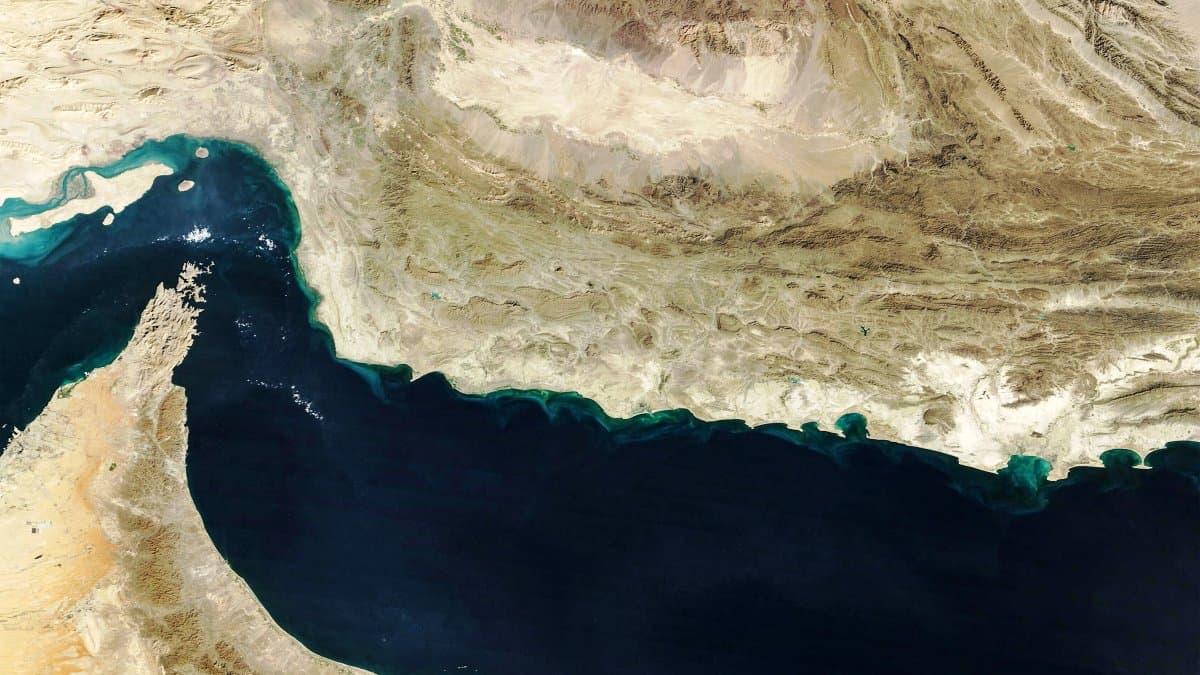
The analysis also revealed that more than half of China's total oil imports come from countries now facing trade disruptions. This narrow strait is the obligatory passage for exports from Saudi Arabia, Iraq, the United Arab Emirates, Kuwait, Qatar and Iran itself.
According to Politico’s analysis, China last year imported more than 5 million barrels per day of crude oil from these six countries through the Strait of Hormuz, and in 2025 about 1.4 billion barrels arrived in China from five of these Gulf countries, excluding Iran.
Just the News
Chinese state-run media promotes anti-Iran War protests organized by CCP-linked Singham Network
Just The News
Moreover, the Strait of Hormuz constitutes an essential passage for Qatari exports, and the country's natural gas production depends heavily on an offshore field jointly exploited with Iran.
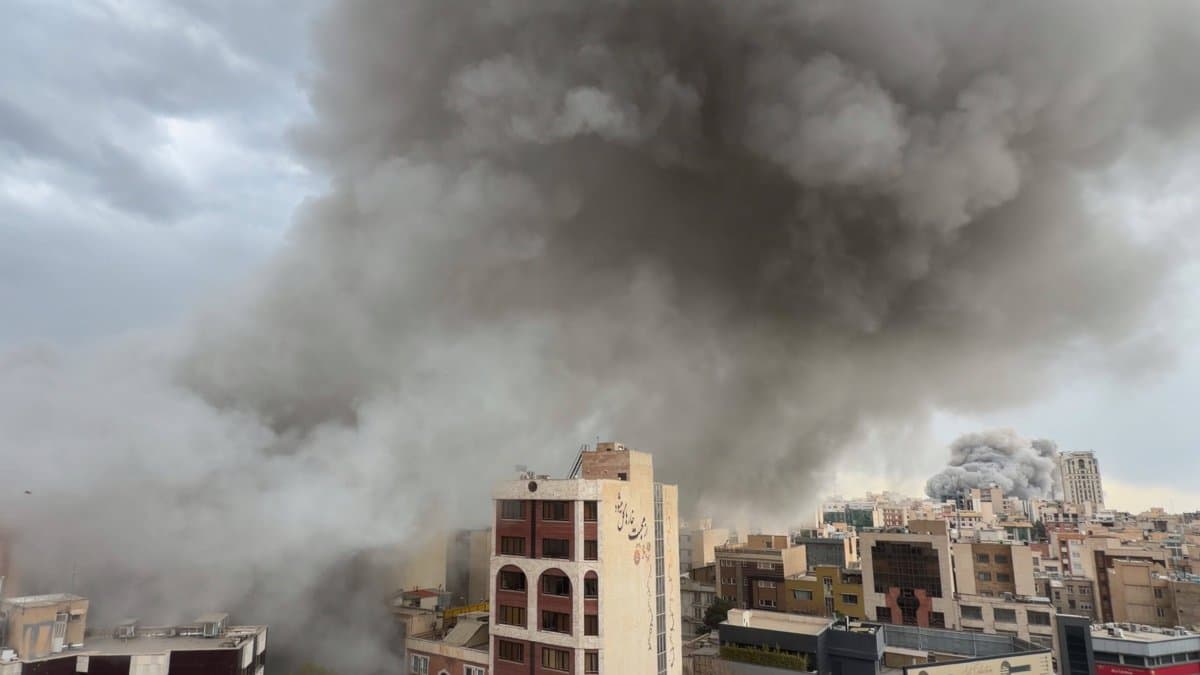
Since the attacks by the U.S. against the Iranian regime, oil tankers have begun to avoid this route in the face of explicit threats from the Iranian Revolutionary Guard Corps (IRGC) and targeted attacks on tankers. This situation forces costly and time-consuming detours, in some cases avoiding the Suez Canal and the Strait of Bab el Mandeb as a precaution, which significantly raises freight costs, war insurance and delivery times for China.
Reserves and pivot to Russia
According to information handled by Kpler, China has substantial strategic crude oil reserves, allowing it to cushion the impact in the short term. However, the intelligence firm notes that any new difficulties in obtaining oil from the Persian Gulf could lead China to expand its dependence on Russian energy supplies, a former geopolitical ally in the context of its rivalry with the West.
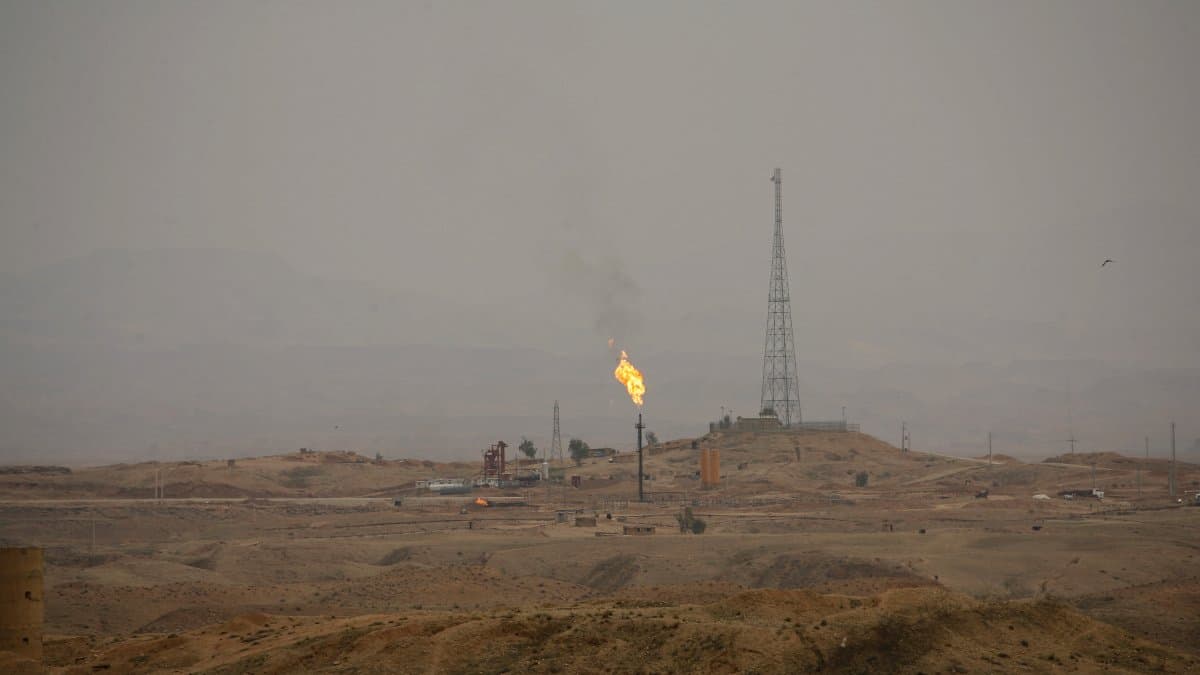
"If the conflict drags on for a couple of weeks, the most logical solution for Beijing is going to be to turn to more Russian crude," Andon Pavlov, director of oil and shipping research at Kpler, told Politico.
Moreover, Kpler points out that since the beginning of 2026, China has started a process of reducing purchases from Iran and a parallel increase in imports from Russia, its most reliable supplier, with less vulnerable overland routes and pipelines.
Gulf crisis shakes Asia
India figures as the second-largest buyer of crude from Iran and its neighbors, while several smaller countries get virtually all their energy supplies from the Gulf.
According to the cited analysis, intensified military action and added pressure on China could generate cascading effects throughout the region. Continued disruptions in oil shipments are raising competition for available barrels, which in turn drives up crude oil prices in the Asian market.
🛠 Do you think there is an error in this article?
Recommendations






LATEST