Trump sends Iran deal back to the table as Tehran accuses White House of stalling with ‘excessive demands’
Iran and the United States describe in diametrically different ways the content of the agreement that could extend the fragile ceasefire in place since April.
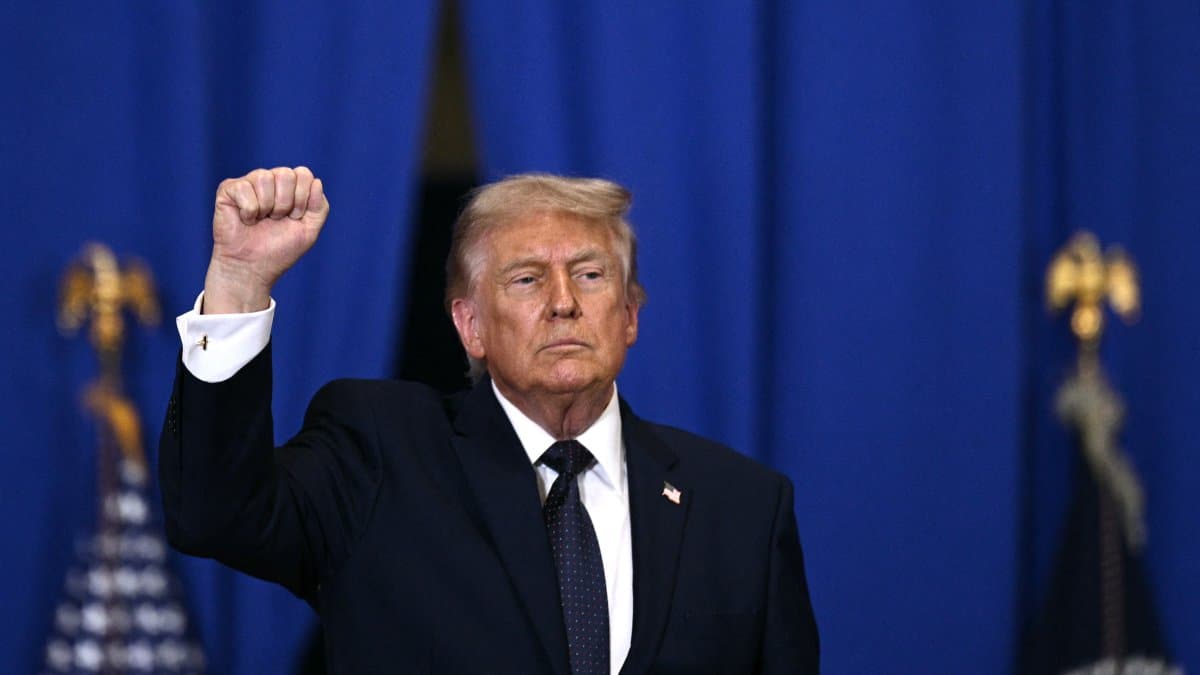

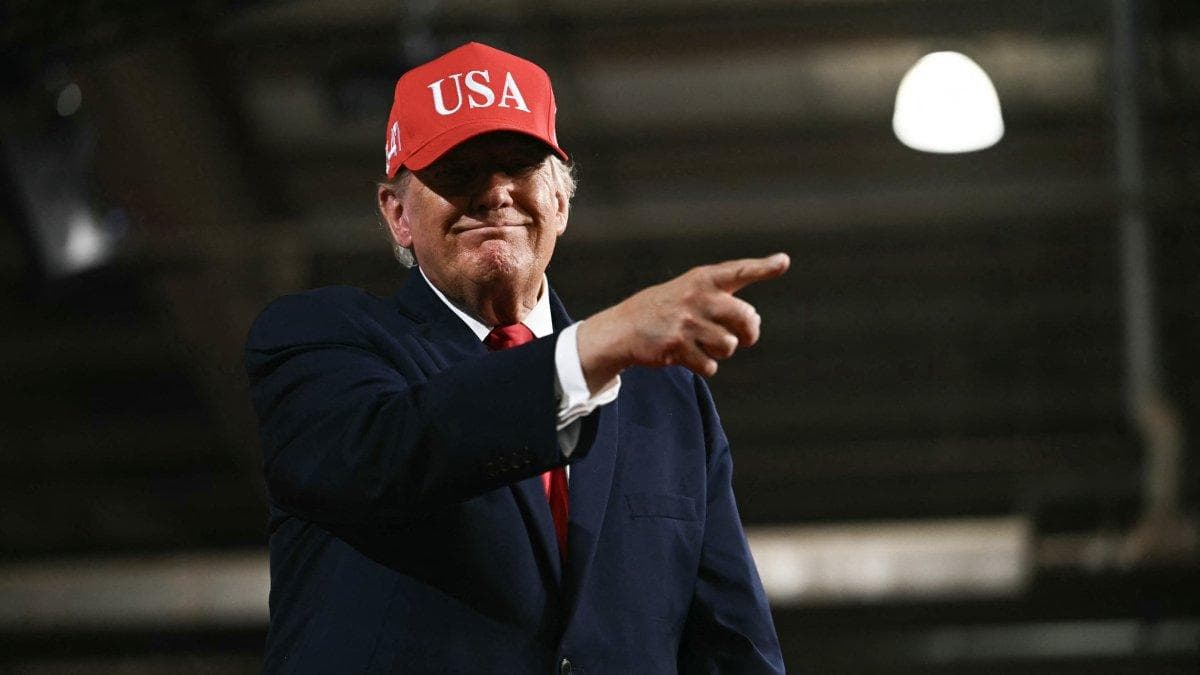
President Donald Trump requested several modifications to the deal his own envoys had negotiated with their Iranian counterparts during a meeting in the Situation Room on Friday, according to a senior administration official and a second source privy to the matter, Axios reported Saturday.
According to the report, President Trump wants the deal and hopes to finalize it soon, but is looking to strengthen several key points -particularly around the Iranian nuclear material- which has opened a new round of negotiations that could extend for several days and, at least for the time being, brakes the agreement that was about to be signed.
From Tehran, the response has been harsh. Senior Iranian regime officials on Friday accused President Trump of hindering negotiations to extend the fragile ceasefire.
Mohsen Rezaei, a senior official and former commander-in-chief of the Islamic Revolutionary Guard Corps, spoke to the semi-official Mehr News agency and noted that the U.S. leader is making, in his view, "excessive demands."
"As anticipated, the President of America is betraying diplomacy for the third time. By continuing the naval blockade and pursuing excessive demands in the negotiations, he has proven that he is not a person of negotiations and is pursuing other objectives," the Iranian official said.
The accusation comes at a time when the two sides are describing the state of the talks in diametrically opposed ways. A senior Arab official directly involved in the mediation asserted to NBC News that negotiators had already closed the terms of a truce days ago, but that no one is determined to formalize it.
"It was already closed in Doha three days ago; now everyone is playing a game of chicken and egg," he said, describing the delays as "frustrating."
Iranian Foreign Ministry spokesman Esmail Baghaei confirmed this in his own way in remarks to state broadcaster IRINN: "A final understanding has not yet been reached."

Economy
Inflation rose 3.8% in May, in line with market expectations, spurred by Iran war
Carlos Dominguez
What is at stake
The agreement under discussion is a 60-day memorandum of understanding that would extend the ceasefire, reopen the Strait of Hormuz, where about 20% of the world's oil transited before the blockade-and initiate formal talks on Iran's nuclear program. According to Axios and Fox News, negotiators from both countries already had an understanding on the terms, but Trump had not given his go-ahead. A U.S. official told Axios that Trump had conveyed to the mediators that he wanted a few days to think about it. Finally, on Friday he gave his answer: some clauses must be tightened.
The substantive positions remain distant. The White House demands that Iran renounce forever the nuclear weapon, that the strait be reopened for unrestricted maritime traffic and that mines in the sea lane be destroyed. Ebrahim Azizi, head of the Iranian parliament's national security committee, for his part set Tehran's non-negotiable conditions: right to enrich uranium, retain its reserves, control the Strait and removal of sanctions.
A weak truce
Again, there is a new complication in the relationship between Washington, Beijing and Tehran: NBC News revealed that the F-15E Strike Eagle shot down in April was reportedly hit by a Chinese-made man-portable missile, calling into question assurances President Xi Jinping had personally given Trump not to supply weapons to Iran. The investigation remains open.
World
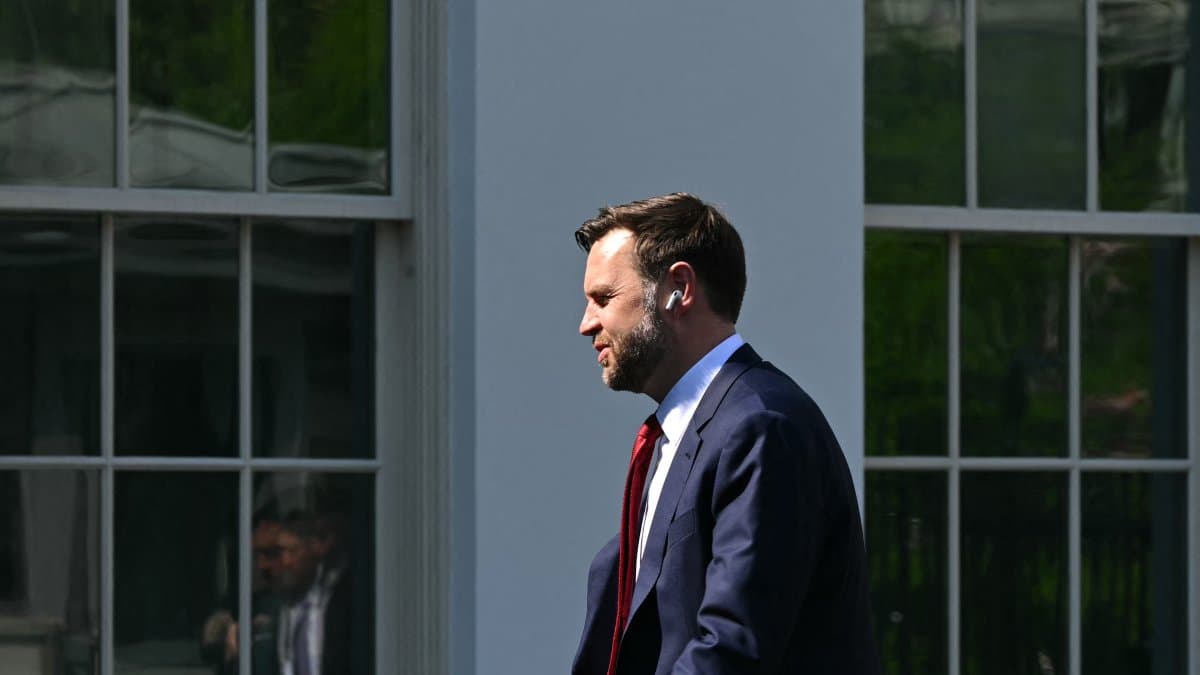
JD Vance says US and Iran are 'very close' to signing a memorandum of understanding to extend the ceasefire
Emmanuel Alejandro Rondón
🛠 Do you think there is an error in this article?
Recommendations



LATEST