Protest movement in Iran subsides in the face of 'brutal' repression
The Norway-based human rights group Iran Human Rights (IHR) counted at least 3,428 protesters killed by security forces. In reality, it could be many more.
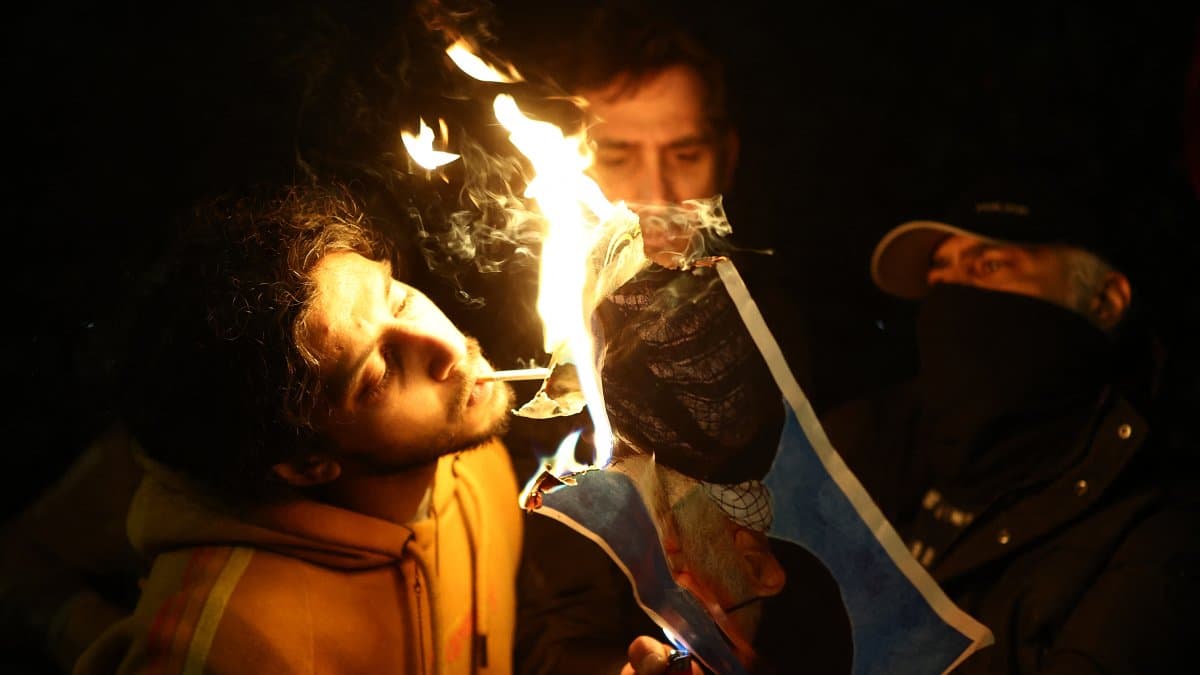

(AFP) - The intensity of protests in Iran against the Ayatollah regime has eased after a brutal crackdown with thousands killed and amid an internet blackout, monitoring agencies said Friday.
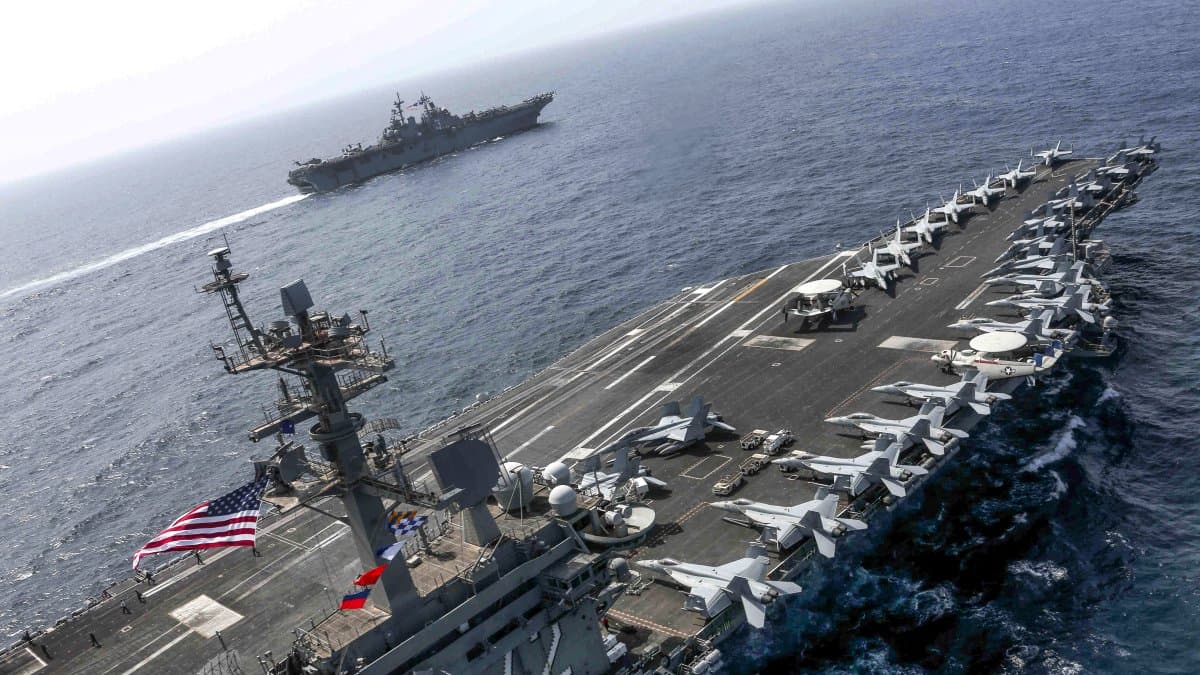
The threat of a U.S. attack on Iran also appears to have receded.
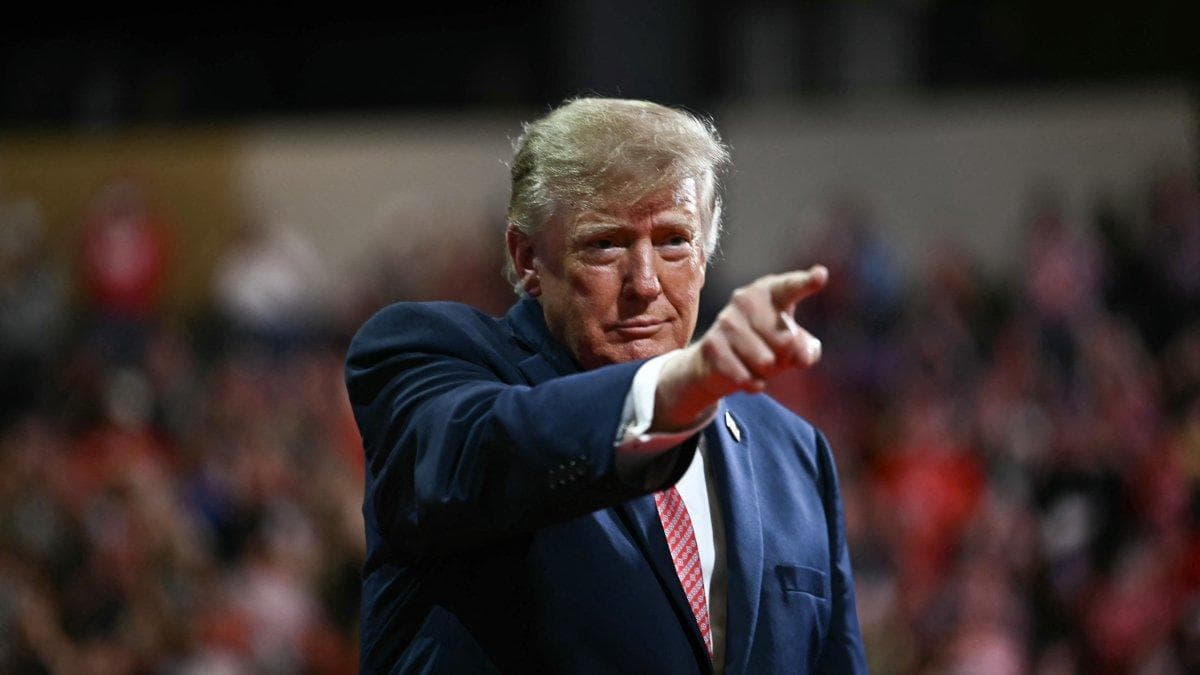
According to a Saudi official, Gulf allies have convinced President Donald Trump to give Tehran "a chance."
The demonstrations began on Dec. 28 in Tehran to protest against the cost of living, but spread to other cities to demand the fall of the clerical system that has ruled Iran since the 1979 revolution.
The authorities cut the internet to, according to human rights organizations, conceal the extent of the crackdown.
On Thursday night, at the start of a three-day holiday weekend, security forces were heavily present on the streets of Tehran, an AFP journalist noted.
The crackdown "appear[s] to have suppressed the protest movement for now," estimates the U.S.-based Institute for the Study of War, which has monitored the protests.
"The regime’s widespread mobilization of security forces is unsustainable, however, which makes it possible that protests could resume," it added.
The Norway-based human rights group Iran Human Rights (IHR) counted at least 3,428 protesters killed at the hands of security forces. In reality, it could be many more.
According to the organization's director, Mahmood Amiry-Moghaddam, the authorities led by supreme leader Ayatollah Ali Khamenei, have "committed one of the gravest crimes of our time."
He cited "horrifying eyewitness accounts" of "protesters being shot dead while trying to flee, the use of military-grade weapons and the street execution of wounded protesters."
Lama Fakih of Human Rights Watch confirmed that the massacres "are unprecedented in the country."
Iranians have been without the internet for more than 180 hours, more than during the mass protests of 2019, stresses cybersecurity watchdog Netblocks.
New videos recorded at the height of the demonstrations show bodies lined up at the Kahrizak morgue, south of Tehran, and grief-stricken relatives searching for their loved ones. AFP verified that they have been filmed at those locations.
Giving Iran "a chance"
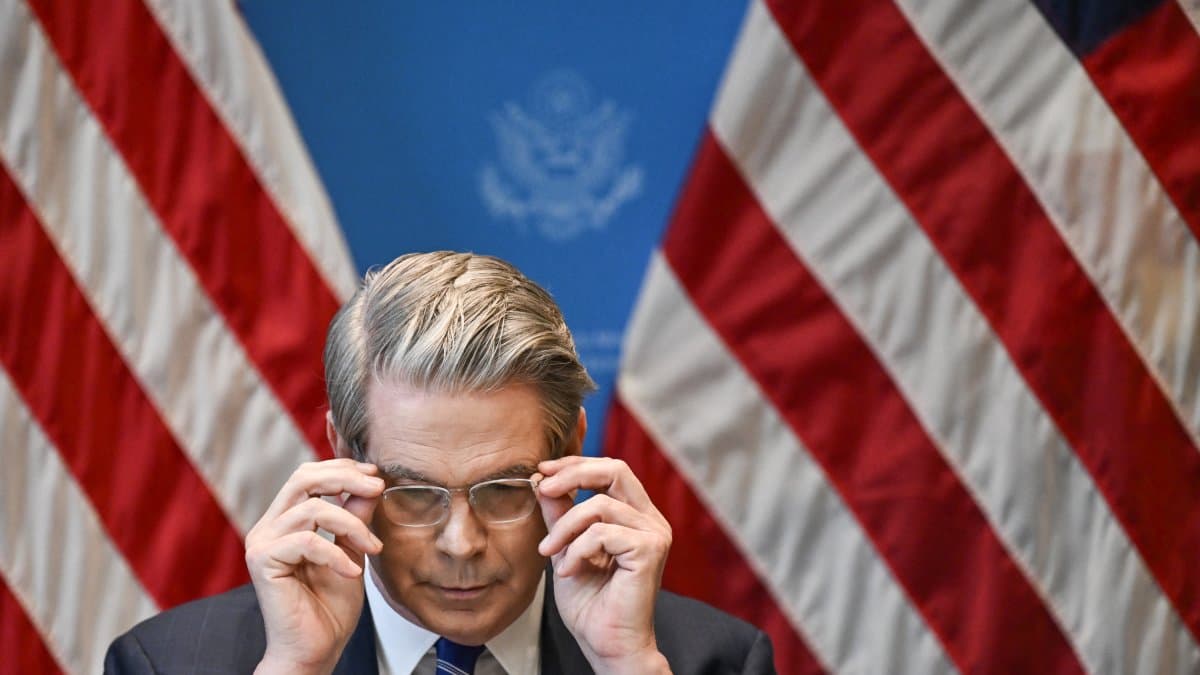
Iran and the United States appear to have eased their tone.
Russian President Vladimir Putin spoke by phone Friday with Israeli Prime Minister Benjamin Netanyahu and plans to do so with his Iranian counterpart, Masud Pezeshkian, the Kremlin announced. The goal is to reduce tension in a country allied with Moscow.
The White House also confirmed that the U.S. president spoke with Netanyahu, who, according to The New York Times, asked him not to intervene militarily.
A senior Saudi official told AFP on Thursday that Saudi Arabia, Qatar and Oman have warned Trump of the risk of serious repercussions for the region.
The three countries made "a long, frantic, diplomatic last-minute effort to convince President Trump to give Iran a chance to show good intention," said this official, who requested anonymity.
"All options remain on the table," White House Press Secretary Karoline Leavitt specified Thursday.
Iranians "united"
The White House assured that Iran has waived 800 executions of protesters planned the day before, a figure not mentioned by Iranian authorities or human rights activists.
The U.S. government also announced economic sanctions against officials accused of coordinating the crackdown, including Ali Larijani, head of Iran's top security agency.
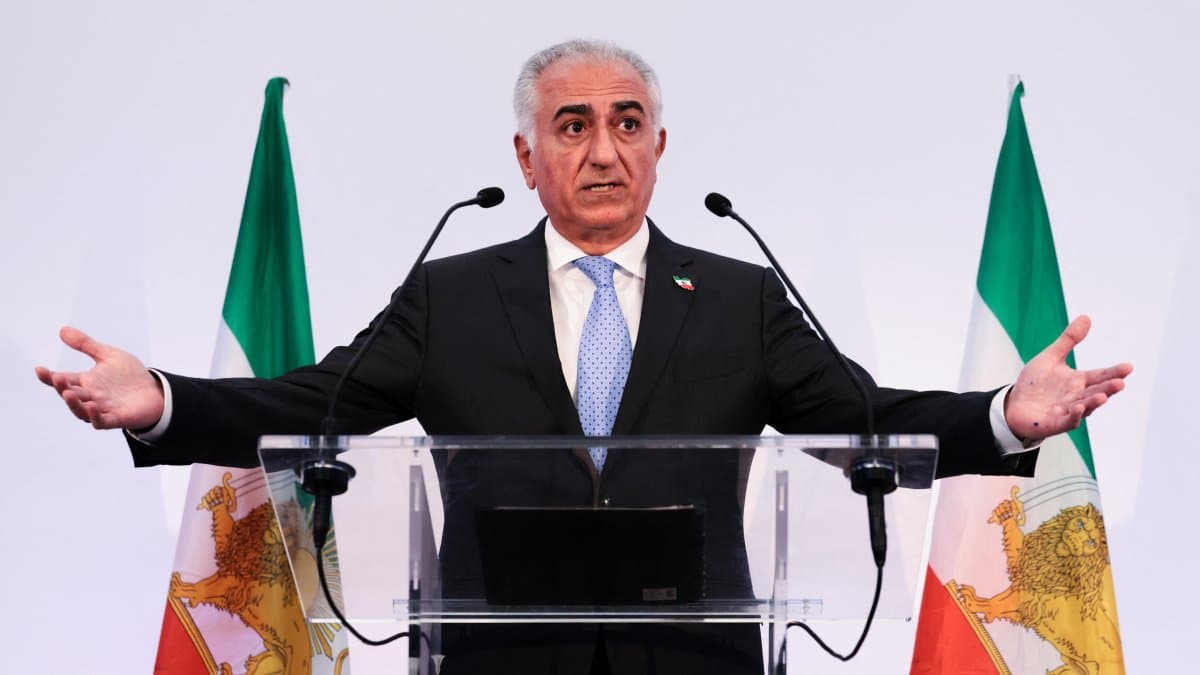
At the U.N. Security Council in New York, Iranian-American journalist Masih Alinejad, stated that "all Iranians are united" against the clerical system in Iran.
Iran's representative at the meeting, Gholamhosein Darzi, accused Washington of "exploitation of peaceful protests for geopolitical purposes."
🛠 Do you think there is an error in this article?
Recommendations

LATEST