






Iran says there will be no immediate executions of detainees as crackdown escalates
Iranian Foreign Minister Abbas Araqchi assured on Wednesday night that no executions would be carried out "neither today nor tomorrow," amid growing international concern over the crackdown on anti-regime protesters marching in the country.
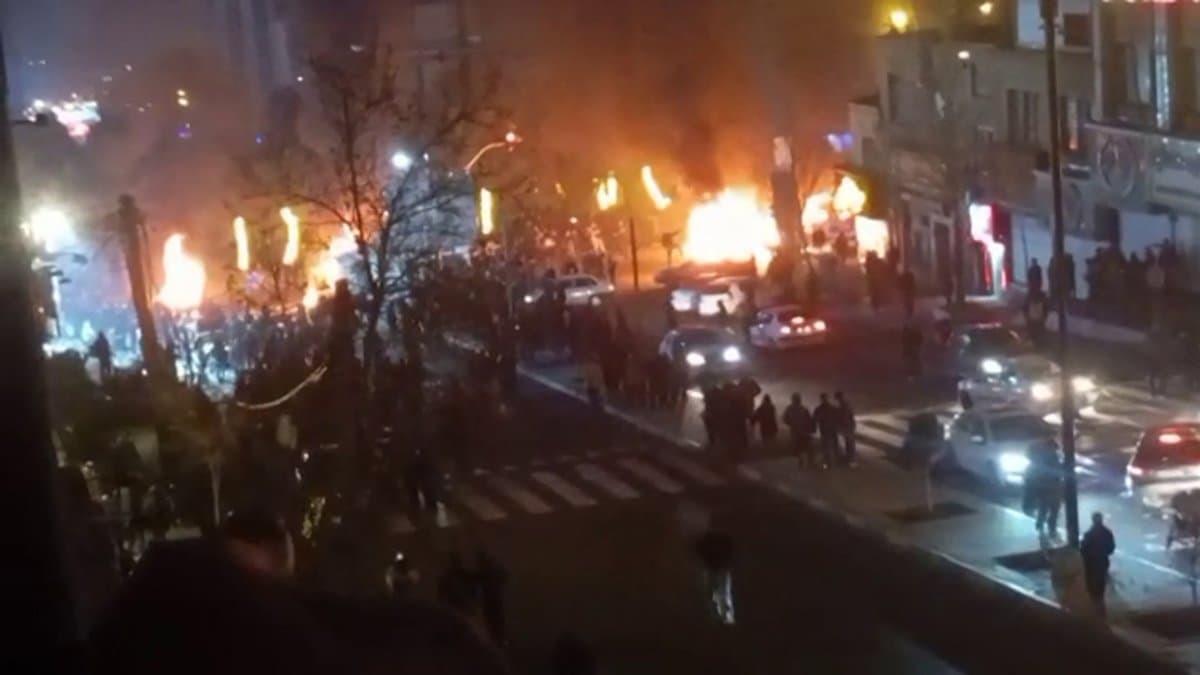

Iran's Foreign Minister Abbas Araqchi assured on Wednesday night that no executions would be carried out "neither today nor tomorrow," amid growing international concern over the crackdown on protesters marching against the regime in the country.
Speaking to U.S.-based Fox News, Araqchi denied that there is a plan to apply the death penalty against people arrested during the recent protests, despite earlier announcements by Tehran about speeding up judicial proceedings.
According to the head of Iranian diplomacy, after ten days of mobilizations motivated by the economic crisis, three days of violence were recorded, which he attributed to supposed interference by Israel, but affirmed that the situation is already under control.
"There is no plan to carry out hangings," Araqchi maintained during the interview.
World
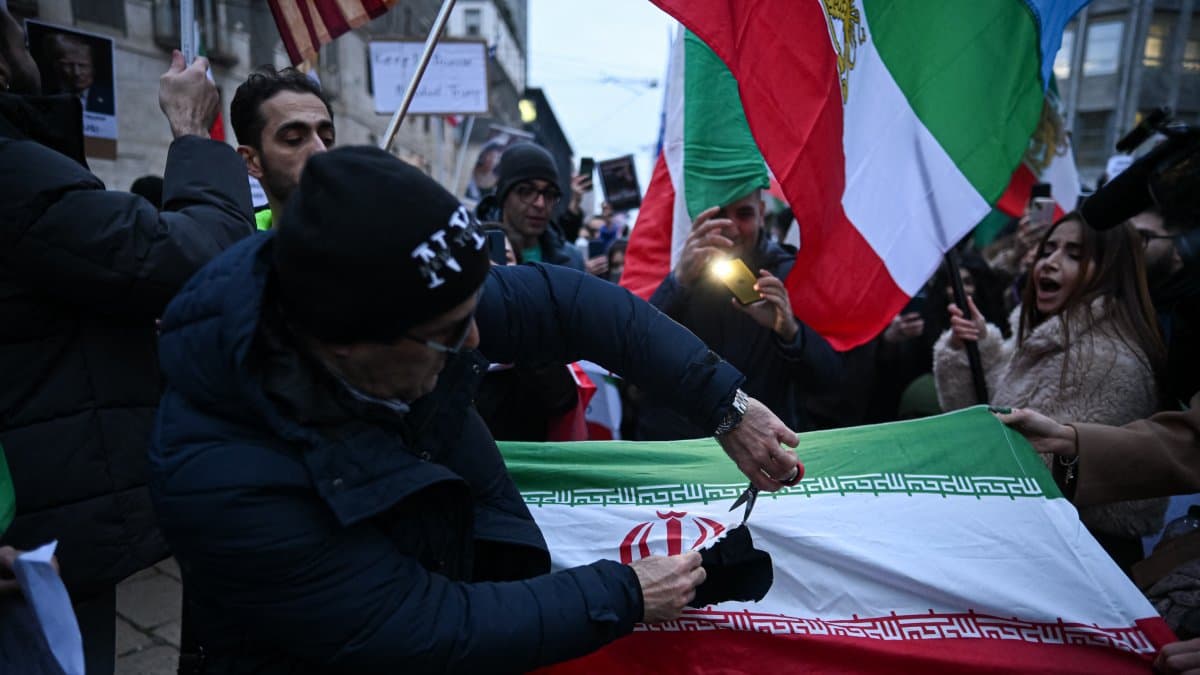
Trump announces that the Iranian regime has halted executions as demonstrations grow
Luis Francisco Orozco
Possible execution of Erfan Soltani, a case in the international spotlight
However, human rights organizations have expressed caution. The Norway-based NGO Hengaw, reported that the execution of Erfan Soltani, a 26-year-old Iranian man arrested during the demonstrations, was postponed at the last minute. While welcoming the stay, the organization warned that his life "remains in grave danger," citing testimonies from family members.
Soltani was due to be executed Wednesday, according to Hengaw, who insisted that "serious and continuing concerns" about his situation persist.
Mina Khani, a member of Hengaw, spoke with Germany’s public broadcasters ARD on the program Tagesschau about the ongoing killings in Iran as well as the situation of Erfan Soltani. She said that this type of violence by the Islamic Republic is not new and is well known in the… pic.twitter.com/Q7Zw2Vkp3d
US position on executions
In parallel, U.S. President Donald Trump, who has threatened possible military action against Iran due to domestic repression, recently stated that he had received information "on good authority" indicating that "the killing in Iran is slowing down or has already stopped," the AFP indicated.
Hours later, the Iranian judiciary came out against the international allegations and denied that Erfan Soltani faces a death sentence. In a statement broadcast on state television, judicial authorities said the young man (who has become a symbol of the protests) is being held in the city of Karaj, near Tehran, on charges of propaganda against the Islamic system and acting against national security.
"The accused has not been sentenced to capital punishment," said the statement picked up by the media, adding that, even if found guilty, the legislation provides only for a prison sentence, since "the death penalty does not apply to this type of charge."
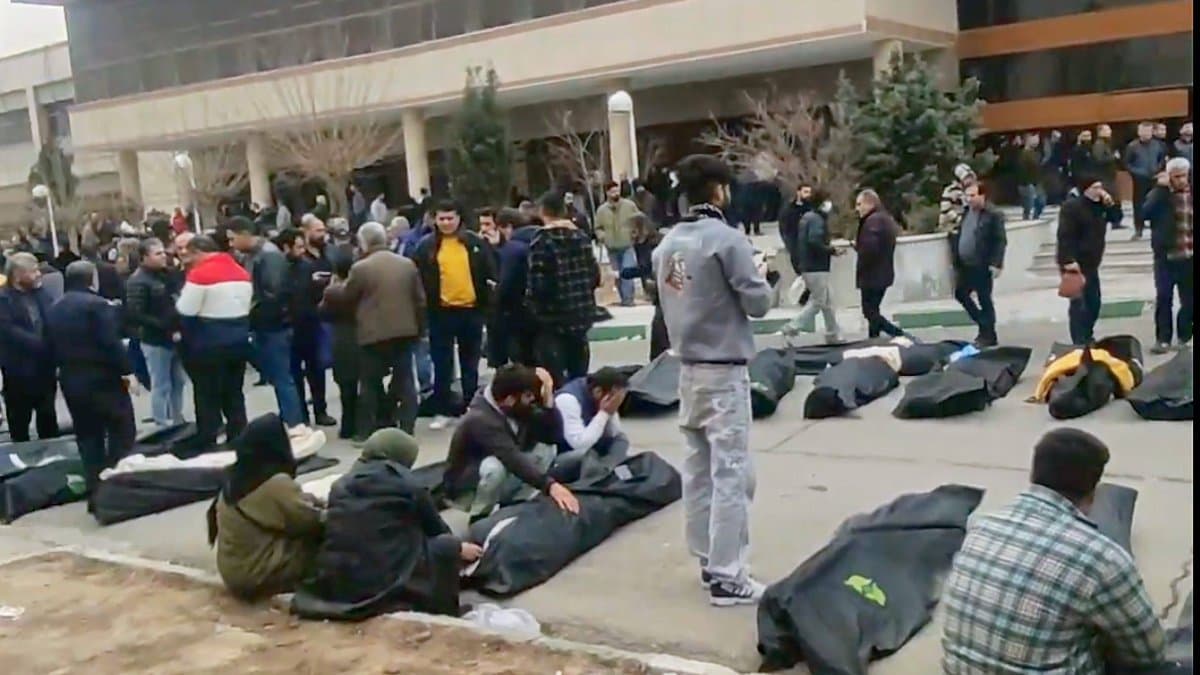
Deaths, incommunicado detention and more than 10,000 detainees
A senior Iranian official acknowledged for the first time this week that around 2,000 people have died during the mobilizations that have been shaking the country for the past two weeks, in what constitutes one of the deadliest episodes of repression in recent years in Iran. There are also figures in excess of 10,000 detainees.
The authorities imposed severe restrictions on communications, including a near-total internet blackout in recent days, which has made independent verification of the events difficult.
🛠 Do you think there is an error in this article?
Recommendations
LATEST