





Poll: Venezuelans reject Delcy Rodriguez, want quick elections and show strong support for Trump
After the operation against Nicolás Maduro, the perception of the U.S. among Venezuelans improved notably. Likewise, only 13% of those polled opposed his capture, even slightly.


Ten days after the capture of former dictator Nicolás Maduro in Caracas at the hands of U.S. special forces, a poll in Venezuela yielded a clear vision of Venezuelans' opinion on the military operation, the country's future, the transition stage and key political figures such as President Donald Trump, Secretary of State Marco Rubio, de facto Chavista leader Delcy Rodriguez and Peace Nobel Laureate Maria Corina Machado, the country's leading opposition figure.
The poll, sponsored by The Economist and conducted by the firm Premise between January 9 and 13 with a sample of 600 people, shows a really consistent pattern: full support for Maduro's capture, almost total rejection of Delcy Rodriguez and the Chavista movement, a majority demand for elections in the short term and a greatly improved perception of the United States, Donald Trump, Marco Rubio and Maria Corina Machado.
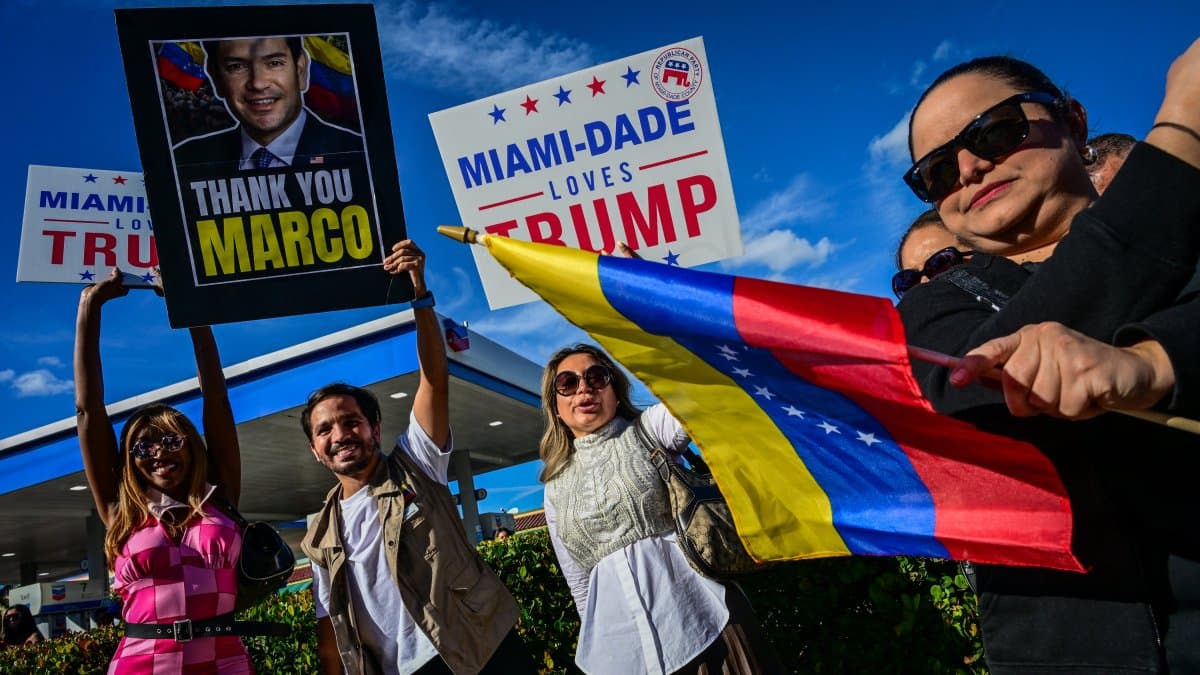
According to the data, only 13% of respondents opposed, even slightly, the capture of Nicolás Maduro, a number that reflects how unpopular the former Chavista dictator was in the country.
Likewise, one of the most telling data points is about the continuity of chavismo under new names. Only about 10% of those surveyed agree, even partially, that Delcy Rodríguez, who is currently leading Venezuela under scrutiny from Washington, should complete the illegitimate presidential term that would extend until 2031. Her favorable image stands at only 13%, placing her among the worst-rated figures in Venezuela.
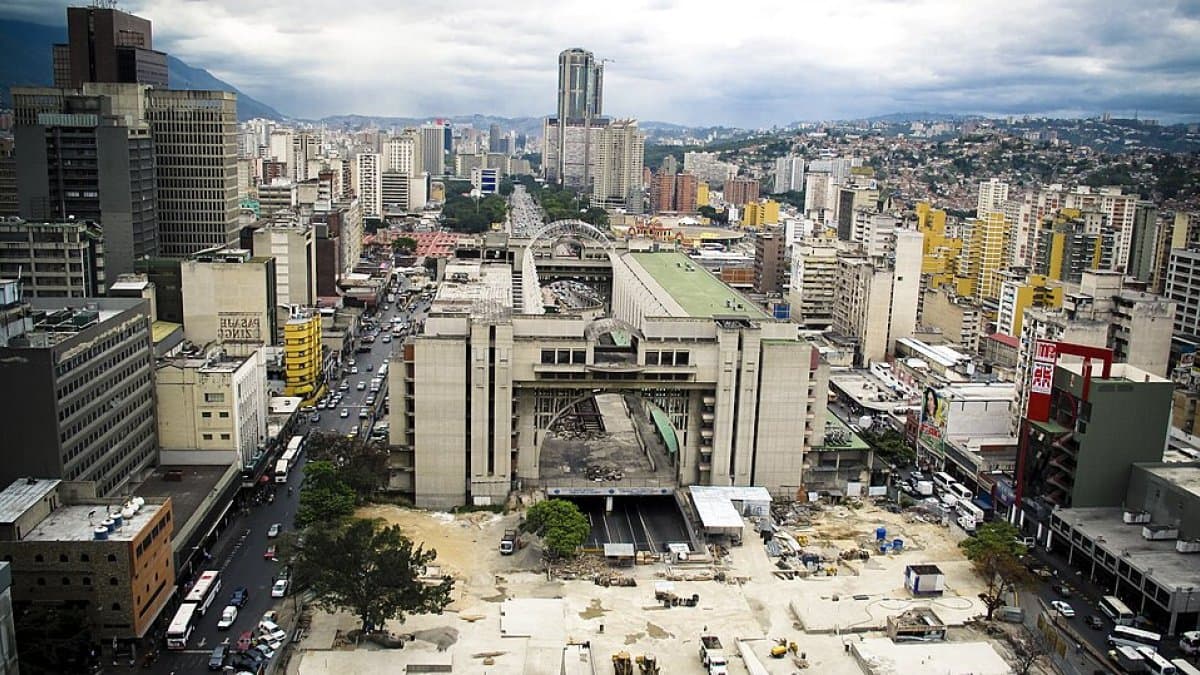
Even when evaluated in terms of Rodriguez's supposed ability to guarantee political stability after Maduro's capture -the main argument of those who promote her as a transitory option- she lags behind the main opposition leaders by an extensive margin.
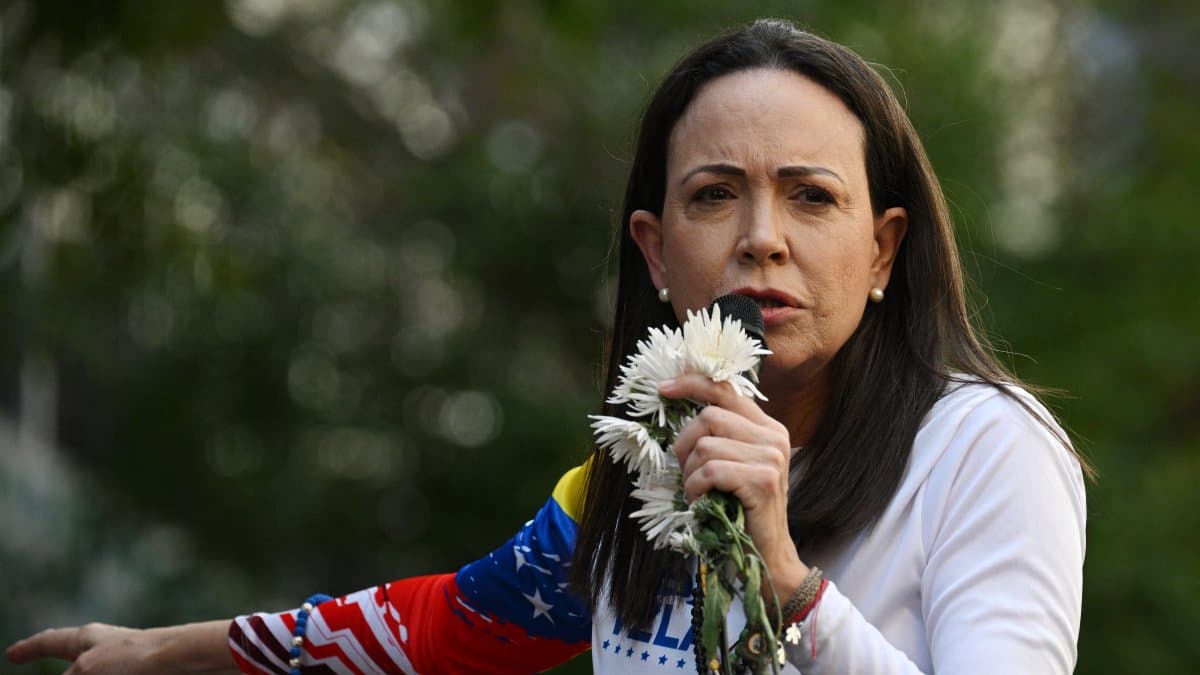
In fact, in a hypothetical scenario of immediate elections, María Corina Machado appears as the leader with the highest intention to vote by a wide margin (almost 50%), followed by the "other" option (just over 30%). Furthermore, Edmundo González, the diplomat that Machado supported in the last elections on July 28, 2024, after being disqualified by the Maduro regime, has almost 10% of voting intention, clear evidence that the leader has an easy way to win a hypothetical election with guarantees.
Furthermore, more than a third of those polled consider that Gonzalez should assume power directly, given that he already has, in their opinion, a democratic mandate after Maduro and his regime stole the 2024 elections. The survey shows that both Gonzalez and Machado continue to comfortably surpass in popularity any figure linked to Chavismo, confirming that the rejection is not limited to Maduro, but to his entire first ring.
Another relevant piece of data from the survey is Venezuelans' perception of the United States. After the operation that led to Maduro's capture, more than 50% of those polled said their opinion of the U.S. improved. In this context, Donald Trump registers approval levels (+50%) in Venezuela that are higher than those in the United States, a rare phenomenon across the entire hemisphere. Likewise, almost half of the respondents support some form of U.S. involvement in the country's administration during the transition, while only 18% clearly oppose it.
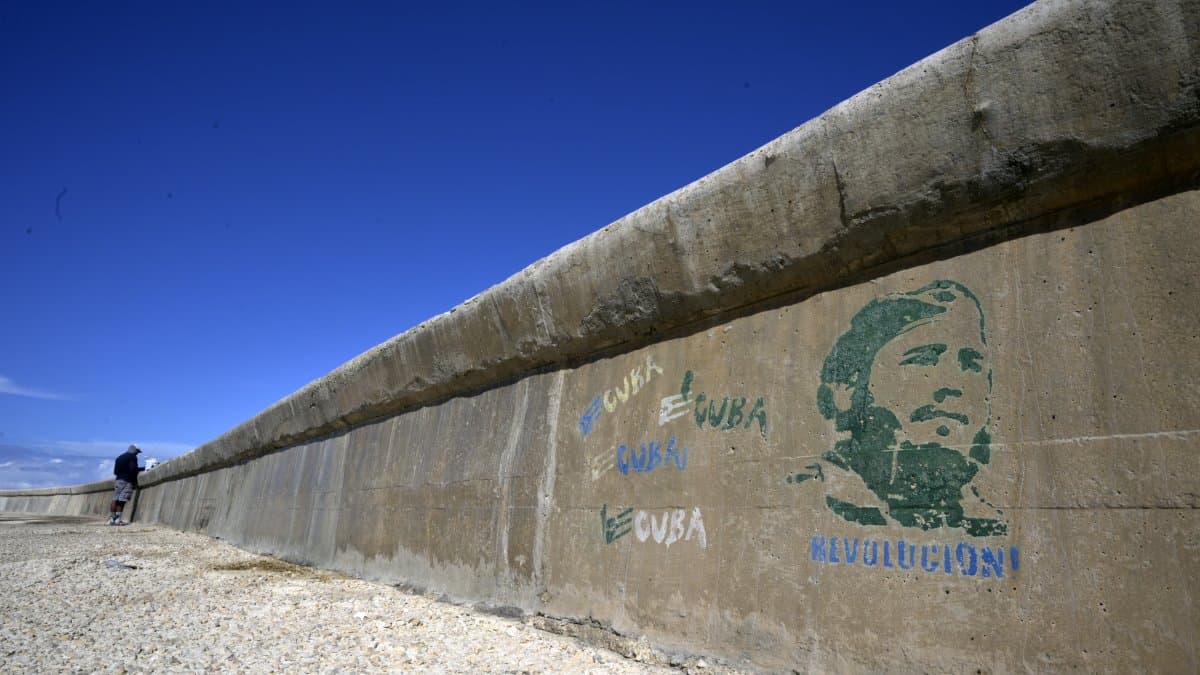
The study also shows that Venezuelans' optimism grew notably, with almost eight out of ten expecting the country's political situation to improve within the next twelve months, and a similar proportion expecting an improvement in their personal economic situation. The expectation contrasts with the last decade of collapse, amid a mass exodus of more than 9 million Venezuelans, a record economic contraction, the collapse of the country's public services and infrastructure, and repression by Maduro and his entourage.
The poll also shows that two-thirds of Venezuelans believe the country should hold a new presidential election in the near future, without extending the transition for many years. Among those who hold that position, 91% believe that the elections should be held within a year, and the majority of that group even suggests a shorter term: six months or less. The message, in this sense, is clear: Venezuelan society is not willing to accept prolonged or indefinite transitions and demands a concrete electoral calendar. This, undoubtedly, is the opinion where Trump and Venezuelans differ the most so far.
Overall, the data highlight a country that has closed ranks against any attempt at continuity of Chavismo, that demands quick, verifiable elections, and that observes, with pragmatism and hope, the role of the United States, with Trump and Rubio, as a key actor in political change in Venezuela.
🛠 Do you think there is an error in this article?
Recommendations
LATEST