






OCDH demands Cuba to declare health emergency in view of the country's grave epidemiological crisis
According to the organization, the country is simultaneously facing at least three epidemics: dengue, chikungunya and Oropouche, which have caused a rapid deterioration of the health system, marked by a lack of medical resources, medicine and hospital capacity.

The Cuban Observatory for Human Rights (OCDH) demanded Cuba to declare a national health emergency in the face of what it described as a "serious epidemiological situation" affecting hundreds of thousands of people on the island.
According to the agency, the country is simultaneously facing at least three epidemics: dengue, chikungunya and Oropouche, which have caused a rapid deterioration of the health system, marked by a lack of medical resources, medicine and hospital capacity.
Health crisis and collapse of the system.
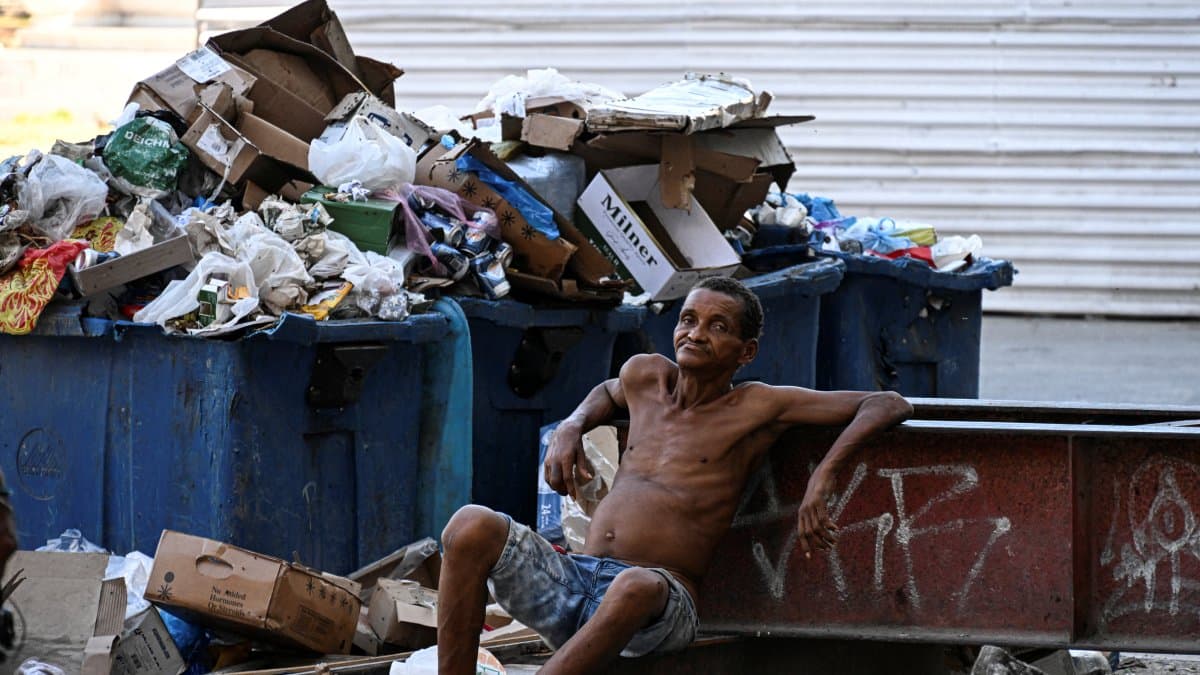
"The Cuban people cannot continue to live among garbage, disease and abandonment," warned the OCDH in a statement, in which it describes an alarming health crisis characterized by the prevalence of infectious diseases and a structural inability of the health system to provide adequate diagnoses and treatments.
Those affected report severe symptoms such as high fever, muscle and joint pain, jaundice, vomiting, diarrhea and skin rashes. The situation is especially critical among children, the elderly and prisoners, according to the observatory.
The shortage of medical supplies and laboratory reagents, added to the lack of basic medicine, has forced many Cubans to resort to the black market or donations to obtain treatments. "This situation reflects a collapse in the provision of health services and increases the risk of deaths, especially among vulnerable groups," the report reveals.
Lack of data and fear of going to the hospital
The OCDH also points out that the real status of the epidemic is uncertain, due to the fact that many people avoid going to health centers, aware of the lack of resources and the precariousness of hospitals.
"No one knows exactly how serious the problem is, except for the number of sick people in neighborhoods, schools and workplaces," said medical sources quoted by the organization.
The observatory specifies that the absence of adequate diagnosis and the lack of containment measures aggravate the spread of diseases, prolong the suffering of patients and increase mortality.
Call for urgent measures from the regime
The organization also criticized that, in the midst of the crisis, the regime maintains exports of biotechnological products and medical personnel, while the country's hospitals lack essential equipment and supplies.
"It is no longer possible to hide this health catastrophe under official silence or to disguise it as 'temporary difficulties,'" said the OCDH, which called on the government to allocate resources from state-owned companies such as BioCubaFarma and Gaesa (both conglomerates of the regime) to rebuild the hospital infrastructure and attend to the internal needs of the population.
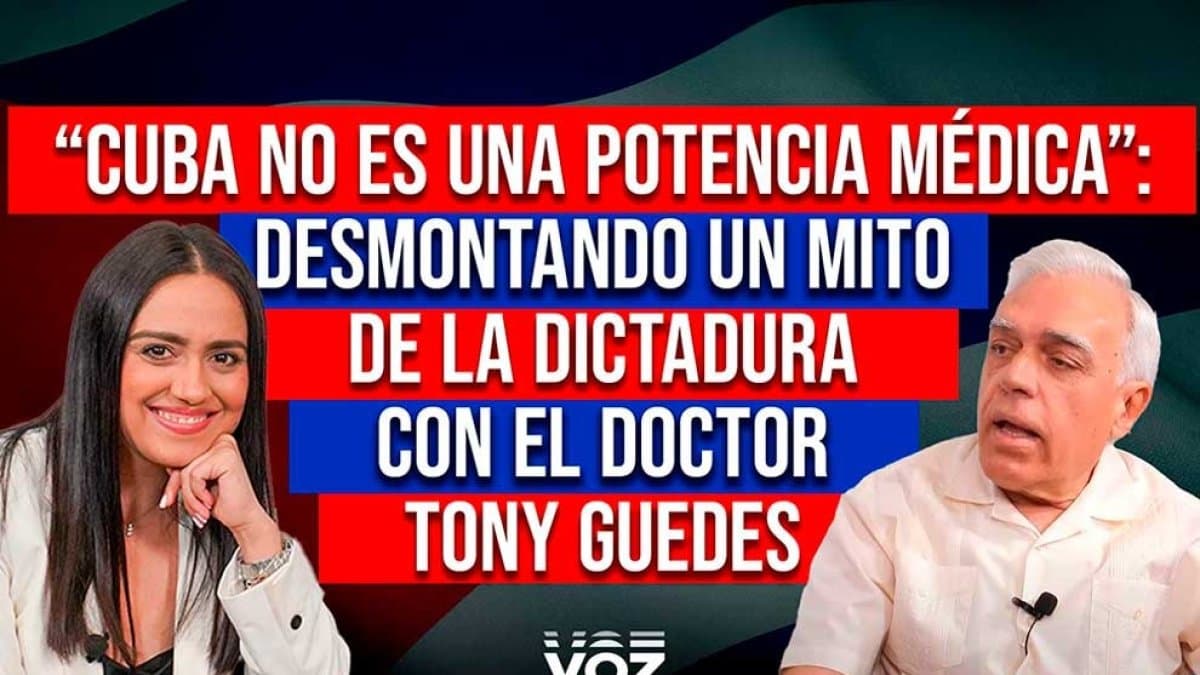
This occurs while the communist island faces a deep economic crisis, the worst in 30 years, which has caused shortages of food, medicine and fuel, as well as growing inflation, added to citizens' lack of freedom and heightened repression by the regime.
🛠 Do you think there is an error in this article?
Recommendations






LATEST