The regime of Delcy Rodríguez approves an incomplete amnesty law with broad exclusions
According to what is expressed in the law, an important group that will be excluded will be those who have been convicted of "military rebellion" for their role in the events of 2019.
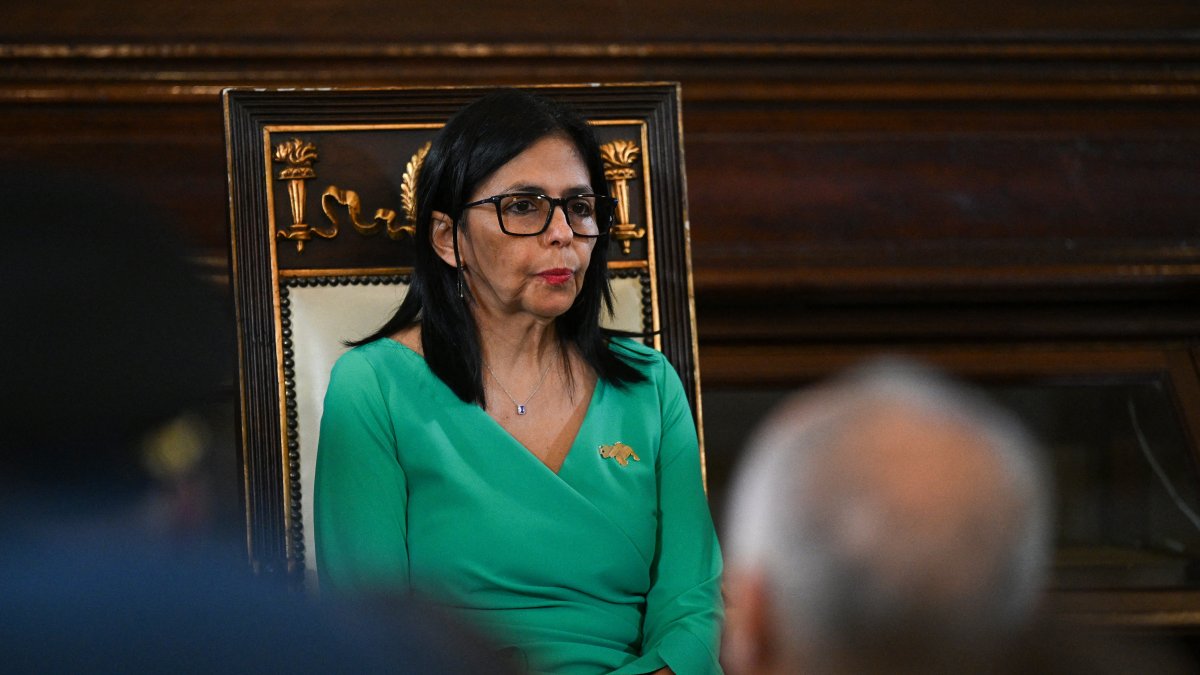
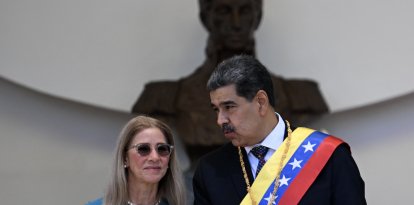
Delcy Rodríguez was sworn in this January 5.
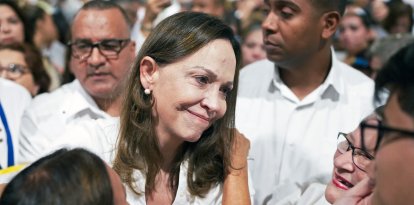
The chavist-controlled National Assembly approved Thursday the amnesty law for political prisoners in Venezuela, after a week of negotiations marked by disagreements over the scope of the measure, which generated strong doubts among organizations and relatives about whether activists and opponents in exile could benefit from the measure. The initiative, promoted by dictator Delcy Rodriguez, was approved in second discussion, after a two-hour session, and covers the period from 1999 to date. The new law emphasizes that the amnesty will include those who have participated in protests and in what chavismo called "violent actions" of 2002, 2004, 2007, 2009, 2013, 2014, 2017, 2019, 2019, 2023, 2024 and 2025.
According to what is expressed in the law, an important group that will be excluded will be those who have been convicted for "military rebellion" for their role in the events of 2019.being this a detail that, according to several legal experts, chavismo could use to its convenience not only to avoid the release of 174 political prisoners, but also to maintain certain judicial obstacles against several figures of the Venezuelan opposition.
World
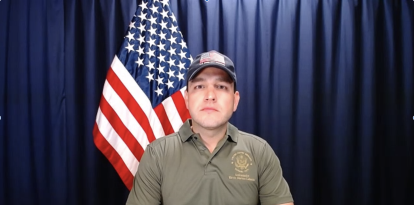
US Southern Command Chief and Senior War Department Official Travel to Venezuela, Hold Talks with Chavista Leadership
Emmanuel Alejandro Rondón
Another convenient point for chavismo in its amnesty law is that those who were tried for certain "hate crimes", such as writing or publishing critical messages against the Venezuelan dictatorship on their WhatsApp, have not been expressly amnestied, finding themselves at this moment in a legal limbo. Such a point fell like a jar of cold water for more than one, taking into account that both different non-governmental organizations and the relatives of political prisoners who have demonstrated in recent weeks asking for their release had tirelessly demanded the repeal of this type of laws.
Who else is excluded?
In relation to those who would be excluded from the application of the amnesty, the regime detailed in article 9 of its new legislation that these would be those who have committed serious human rights violations, intentional homicide, serious injuries, drug trafficking, crimes against humanity and crimes provided for in the law against corruption. Likewise, the Chavista regime excluded those who are or may be convicted or prosecuted for "promoting, instigating, requesting, invoking, favoring, facilitating, financing or participating in armed actions or force against the people, sovereignty and territorial integrity" of Venezuela by "foreign States, corporations or persons".
On the other hand, in the parliamentary session in which the measure was approved, a special commission was also appointed to develop and implement different "mechanisms" to ensure compliance with the amnesty law, which was sent to Rodriguez for his signature and subsequent publication in the Official Gazette. Likewise, the law incorporates an article explaining that it includes those who are in exile and details that those who cannot appear in court may be represented by a lawyer of their trust, a fact that has been strongly criticized as it implies the acceptance of certain crimes that in countless opportunities Chavismo arbitrarily invented.
A new political context
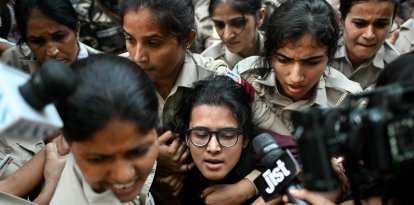
The non-governmental organization Foro Penal estimates that the Rodriguez dictatorship currently holds more than 600 people in prison for political reasons. Although the number has been decreasing in recent weeks after the regime announced the release of several political prisoners, different organizations have explained that the pace of the releases has been considerably slower than expected.
LATEST