Trump raises US global tariffs to 15% after adverse Supreme Court ruling
In a message posted on Truth Social, the president stated that, after a "complete review" of the high court's decision—which he called "extraordinarily anti-American"—his administration will increase the tariffs "to the fully allowed, and legally tested, 15% level."
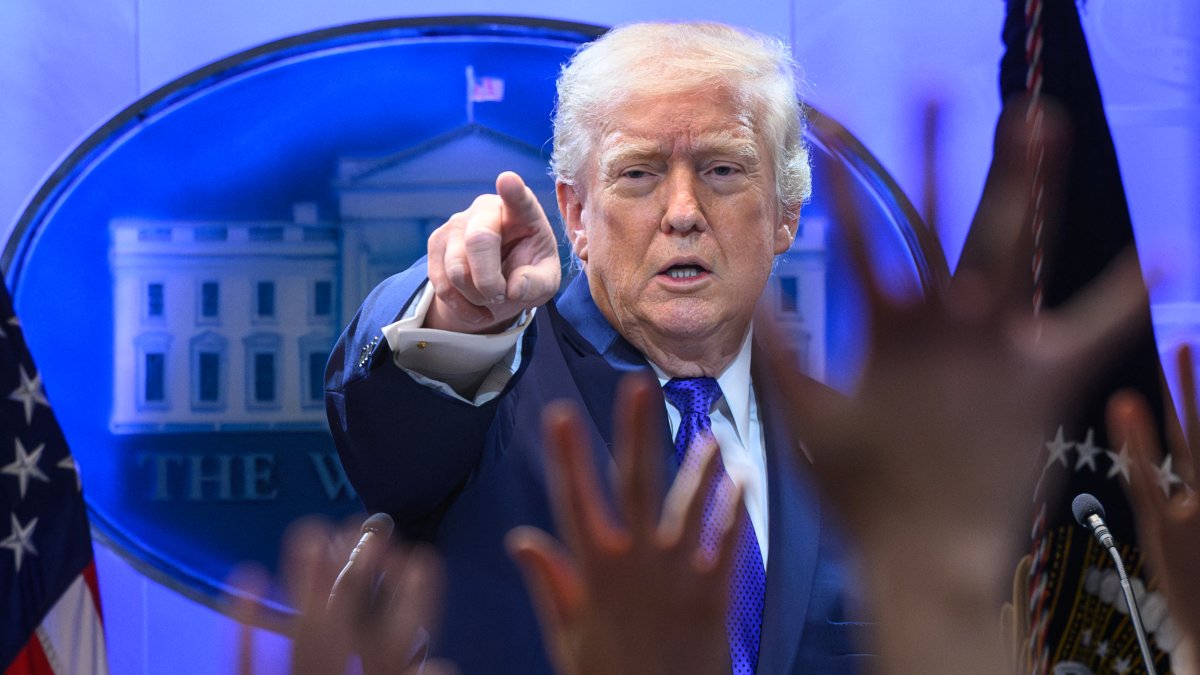
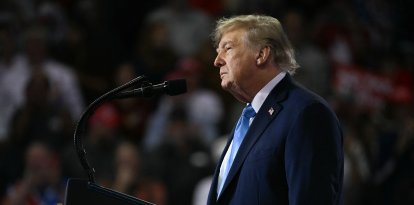
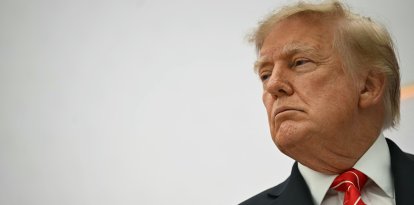
President Donald Trump during a press conference.

President Donald Trump announced Saturday that he will raise global import tariffs to 15%, in a new escalation of his trade policy, just a day after the U.S. Supreme Court ruled that much of his tariff program lacks a legal basis.
In a message posted on Truth Social, the president said that, after a "complete review" of the high court's decision—which he described as "extraordinarily anti-American"—his administration will increase the tariffs "to the fully allowed, and legally tested, 15% level."
Initially, after learning of the court ruling on Friday, Trump had announced a 10% tariff. The new rate, according to a briefing sheet from the White House, will be temporary in nature and in effect for 150 days.
Attempted legal reframing
The decision comes after the conservative-majority Supreme Court ruled by six votes to three that the 1977 law invoked by Trump to impose unilateral tariffs on different countries "does not authorize the President to impose tariffs" of that type.
The ruling represents so far the most forceful setback to the trade strategy of the Republican leader, who over the past year has set, modified or revoked multiple tariffs on trading partners and rivals, generating volatility in international markets.
The new global tariff seems to seek a different legal fit than previous levies. Trump further advanced that in the coming months his administration will explore alternative ways to impose tariffs that are "legally permissible."
Politics
Supreme Court ruling puts more than $133 billion of Trump's tariffs in limbo
Emmanuel Alejandro Rondón
Scope and exceptions
According to the White House, the 15% tariff will not apply to certain sectors that are under separate trade investigations, such as pharmaceuticals. Exemptions also remain in place for goods entering the United States under the trade deal with Canada and Mexico.
On Friday, the administration had already warned that even countries that reached bilateral tariff agreements with Washington would be subject to the new global levy.
Trump's reaction
The decision adds a new chapter to the confrontation between the executive and the judiciary over trade policy, at a time when U.S. economic growth is slowing and the trade deficit in goods remains at historically high levels.
With this move, Trump doubles down on his commitment to a tariff agenda that he has made central to his economic and political strategy, despite mounting legal obstacles.
LATEST