The Trump Administration reduces tariffs and seals new trade agreements with Ecuador, Guatemala and El Salvador
In the case of Ecuador, the White House announced an agreement that eliminates on some products the tariffs imposed by Trump on the South American nation, which began last April at 10% and eventually increased to 15% in August.
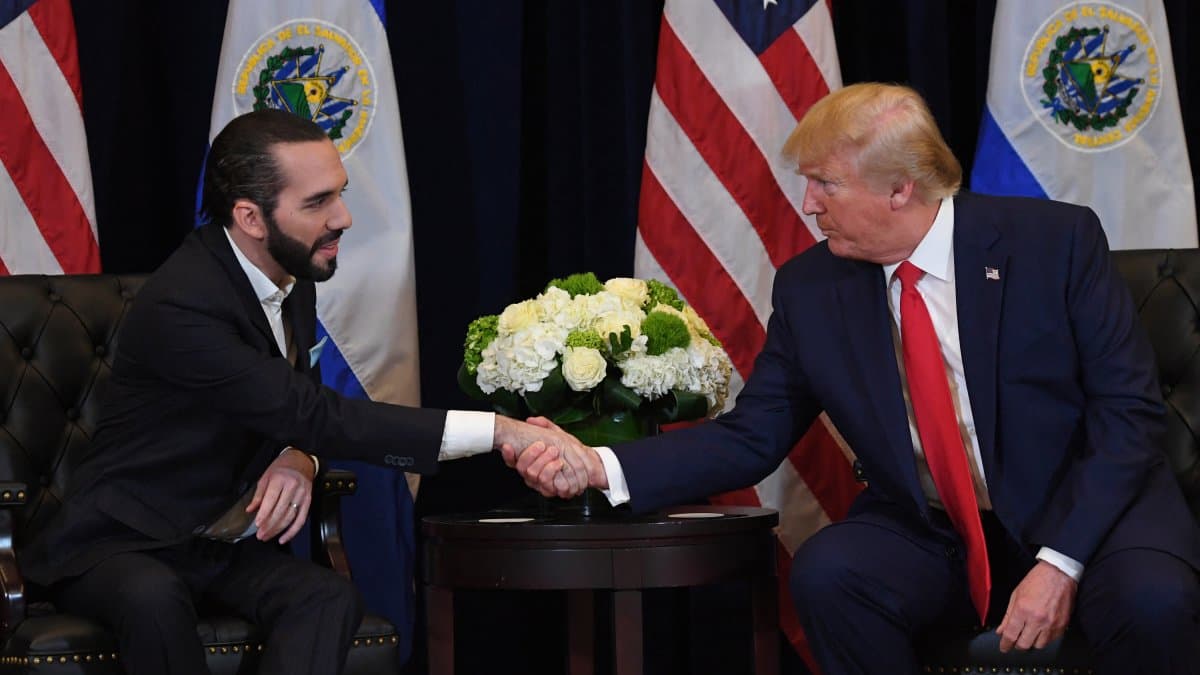
The administration of President Donald Trump announced Thursday several trade agreements that will reduce tariffs on goods imported from Ecuador, Guatemala and El Salvador, in a clear move by the U.S. government that reflects a change of tone in its trade policy after months of tensions.
In the case of Ecuador, the White House announced an agreement that eliminates on some products the tariffs imposed by Trump on the South American nation, which started last April at 10% and eventually increased to 15% in August. The tariffs the Republican administration will eliminate will be on some qualifying exports from Ecuador that cannot be obtained or produced naturally in sufficient quantities to be able to satisfy domestic consumption, which include cocoa and bananas.
In exchange, the agreement between the two countries contemplates that the government of President Daniel Noboa will eliminate or considerably reduce tariffs in key sectors for the United States such as agricultural products, vehicle engines, information and communication technology (ICT) goods and health products. Similarly, the Andean country should evaluate how to eliminate what the Trump Administration has called "non-tariff barriers".
Reduction of tariffs on more than 70% of exports to Guatemala.
In the case of Guatemala, the president of the Central American country, Bernardo Arévalo de León, announced an agreement with the Trump Administration in which "more than 70 % of the products that Guatemala exports to the United States will be at zero tariff", adding that "the vast majority of the rest of the products will be at a 10 percent tariff".
For its part, the White House issued a statement on this agreement in which it detailed that Guatemala committed, as part of this agreement, to reduce its trade barriers to different U.S. products in order to be able to import agricultural, pharmaceutical and medical products, among others, more easily.
In April, the Trump Administration applied a 10% tariff on imports from the Central American nation, as well as the rest of the countries in the region that make up the Free Trade Agreement between the United States, Central America and the Dominican Republic (DR-Cafta), with the exception of Nicaragua, which was imposed a tariff of 18%.
The White House eliminates the tariff on exports from El Salvador.
In the case of El Salvador, the Trump Administration announced the elimination of a tariff it had previously imposed on Salvadoran exports, with both governments establishing a framework for a mutual trade agreement to expand and strengthen their economic relations. As reported by the EFE news agency, the president of El Salvador, Nayib Bukele, published a document in which he stated that the White House "will eliminate reciprocal tariffs on exports from El Salvador to the United States for certain qualified exports that cannot be grown, extracted or produced naturally in the United States in sufficient quantities."
In said document, Bukele also explained that "El Salvador is committed to addressing a wide range of non-tariff barriers affecting trade in priority areas, including simplifying regulatory requirements and approvals for U.S. exports, including pharmaceuticals and medical devices." Similarly, the president commented that his administration "has also committed to address and prevent barriers for U.S. agricultural products in your market, including as it relates to U.S. regulatory oversight and acceptance of currently agreed-upon certificates issued by U.S. regulatory authorities."
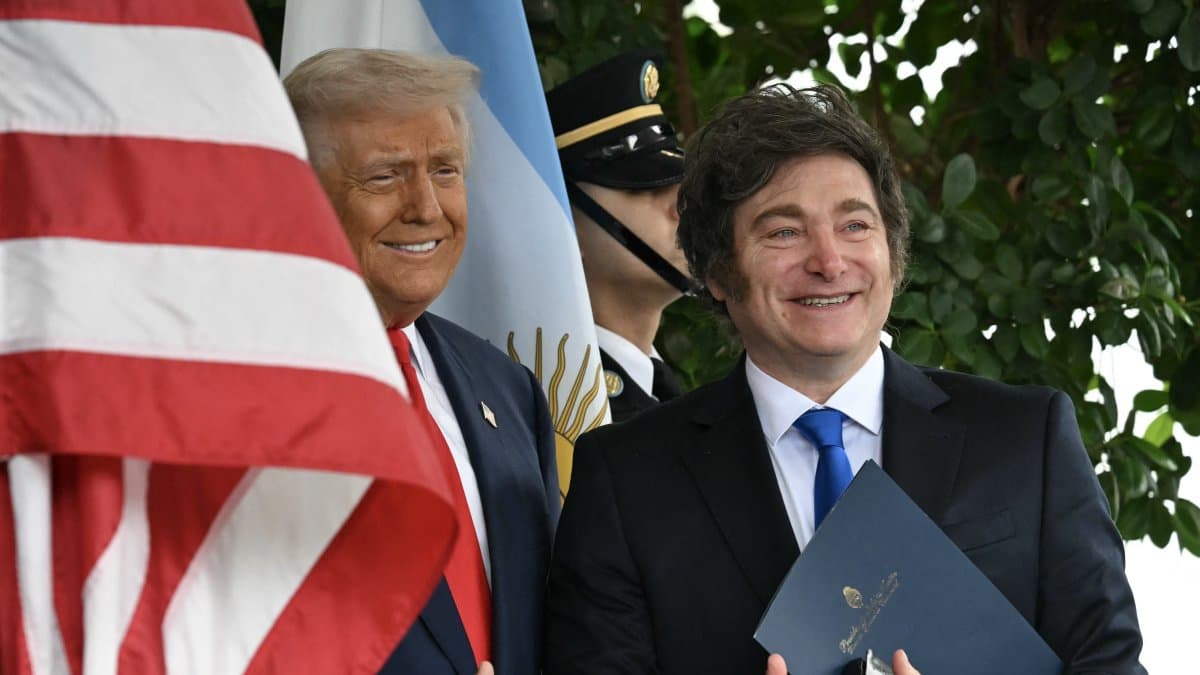
The Trump Administration also reached a tariff agreement with Argentina
While Argentina will provide preferential access to some U.S. exports, including medicines and medical devices, the United States will eliminate tariffs on certain non-locally available natural resources and non-patented goods for pharmaceutical use.
🛠 Do you think there is an error in this article?
Recommendations





LATEST