






Between soccer and exile: Iranian women's national team afraid to return home
In a message posted on Truth Social, President Donald Trump warned that allowing the team to return to Iran could put the lives of the female soccer players at risk.
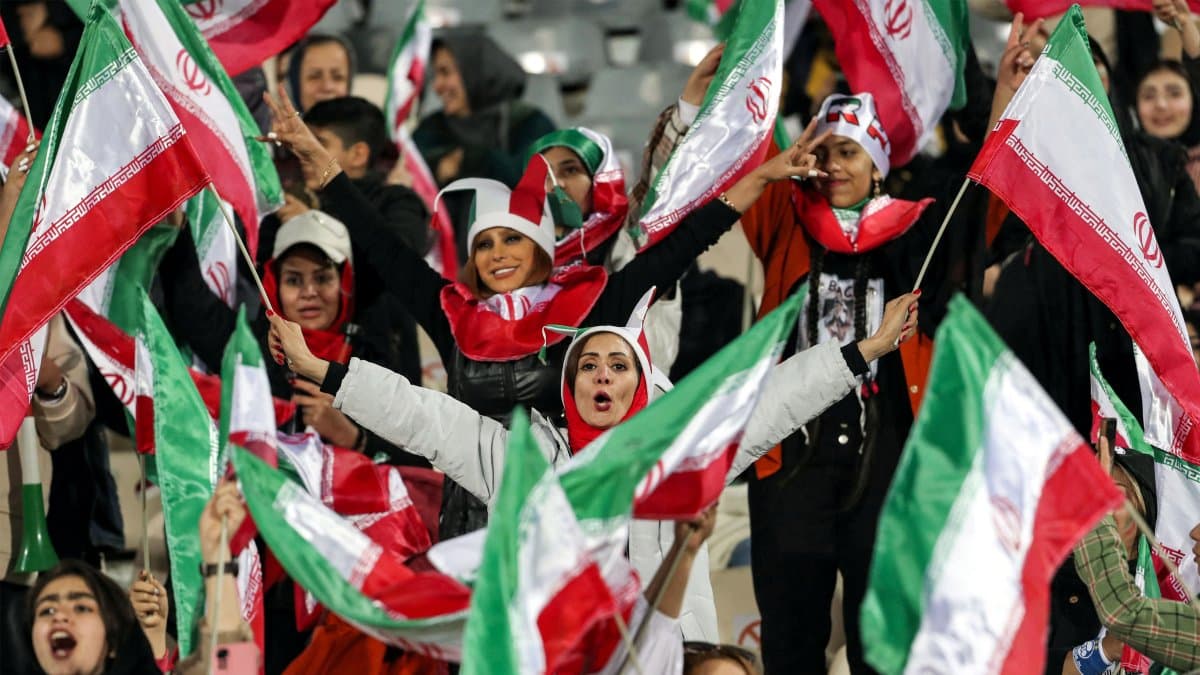
President Donald Trump on Monday said the government of Australia had granted asylum to some members of the Iranian women's national soccer team, which was the country competing in the AFC Asian Women's Cup. Several players staged silent protests during the tournament, and fears were raised for their safety if they return home.
In a message posted on Truth Social, Trump had warned that allowing the team to return to Iran could put the lives of the players at risk.
https://t.co/aMgVjVIbU4 pic.twitter.com/qjNoetFXIx
"Australia is making a terrible humanitarian mistake by allowing the Iran National Woman’s Soccer team to be forced back to Iran, where they will most likely be killed," the president wrote, addressing Australian Prime Minister Anthony Albanese. "Don’t do it, Mr. Prime Minister, give ASYLUM. The U.S. will take them if you won’t," he added.
Minutes later, Trump himself confirmed that after talking with Albanese, the situation was being taken care of in order of priority. POTUS also announced later that Australia had granted asylum to five players.
However, the situation and the pressure from the Iranian regime against the players and their families, puts many in a tough position.
Players under police protection
The controversy escalated after five Iranian players left the team's hotel in Australia and went under police protection, according to CNN reported, citing a source close to the team. The female soccer players were safe as pressure from activists and sports organizations grew for Australian authorities to assess their situation.
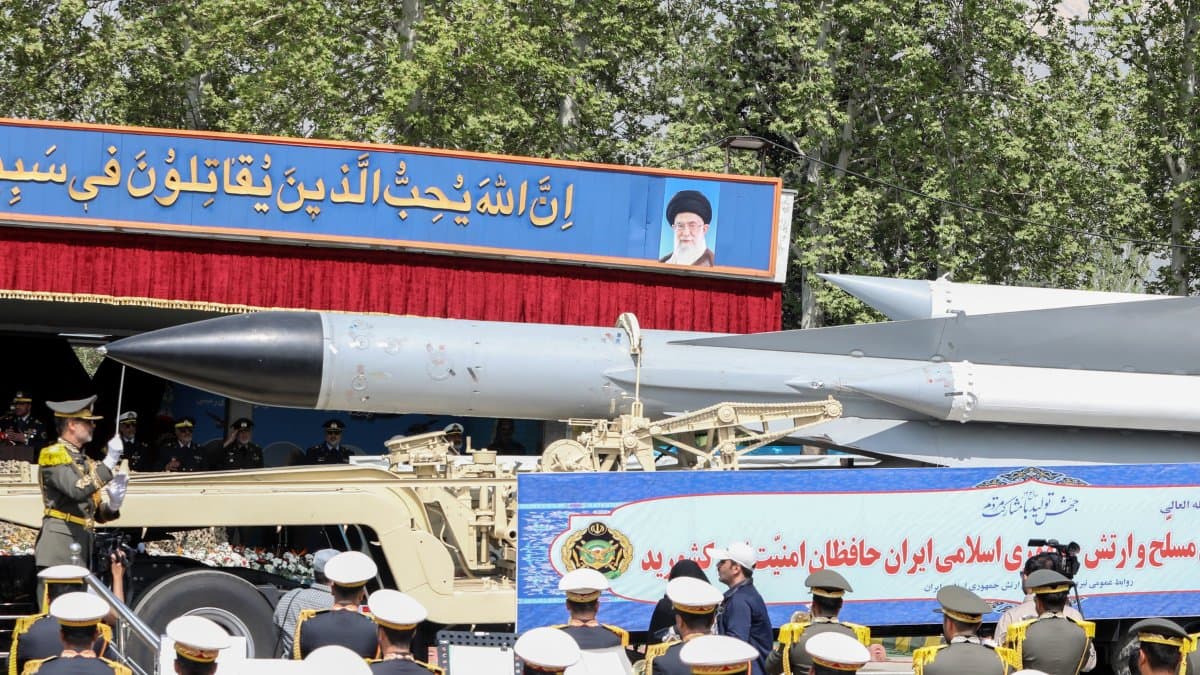
The case occurs in a context of heavy political tension in Iran, which is in the middle of an armed conflict with the United States and Israel under a renewed dictatorial leadership. In that scenario, any public gesture of dissent can have serious consequences.
The protest that sparked the controversy
Tensions rose after Iranian state media called the female soccer players "war traitors," a particularly serious accusation in the context of the conflict. Activists and human rights organizations warn that, if they are considered traitors, they could face severe punishment upon return to Iran.
The Iranian women's national team was eliminated in the group stage of the Asian Football Confederation, meaning their return to the country should come in the next few days.
International pressure following the events
The situation generated international calls to protect the players. Exiled Prince Reza Pahlavi, son of the last shah of Iran, also publicly asked Australia to guarantee their safety and prevent their forced return.
Organizations linked to professional soccer also spoke out. The regional soccer players' federation FIFPRO Asia/Oceania warned that the Iranian media statements increase concerns for the team's safety and called on international sports authorities to act urgently.
Meanwhile, fans and members of the Iranian community in Australia rallied near the team's bus after one of the tournament matches, shouting at police, "Save our girls!"
🛠 Do you think there is an error in this article?
Recommendations


LATEST