






Mojtaba Khamenei, son of Ali Khamenei, is the new supreme leader of Iran
He thus becomes the highest political authority of the Islamic Republic, head of the country's armed forces and judiciary, and the highest authority of Shia Islam, the second largest branch of the religion.
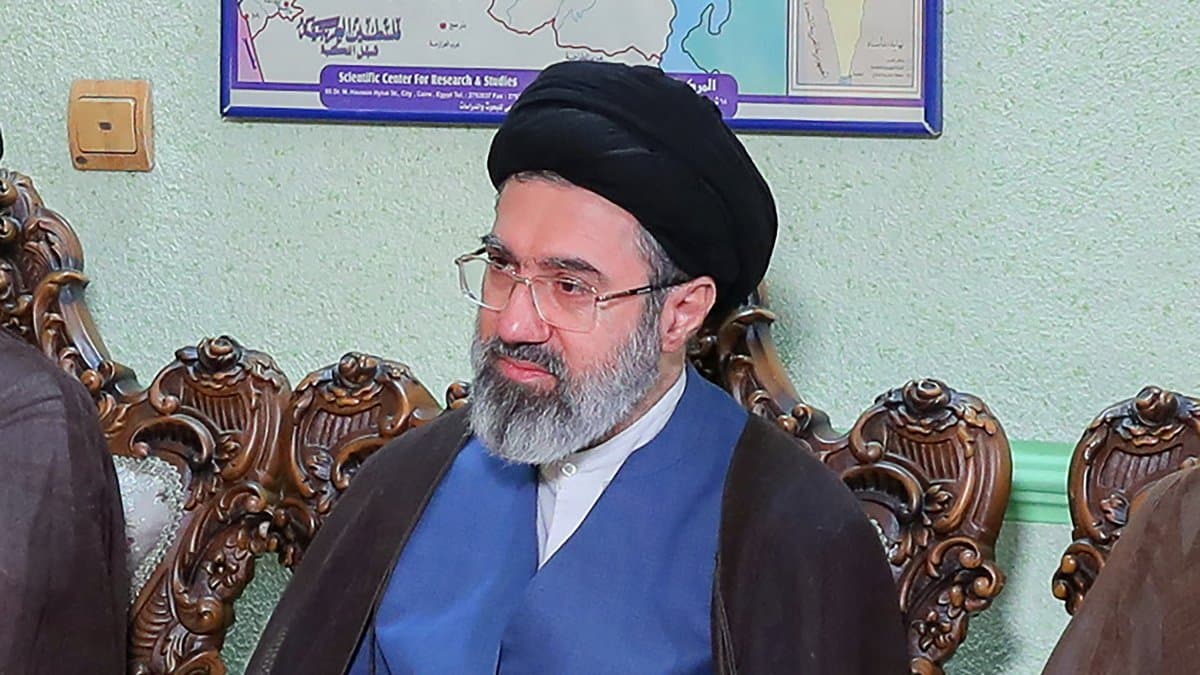

Mojtaba Khamenei, son of Ali Khamenei, was elected as the new supreme leader of Iran. After several days of suspense, the Assembly of Experts voted to fill the power vacuum in Tehran. He thus becomes the highest political authority in the Islamic Republic, head of the country's armed forces and judiciary, and leader of Shia Islam, the second largest branch within the religion.
Far from what had been expressed by Donald Trump, about the need for a new, more moderate leader, Khamenei is expected to act as a continuation of his father. As reported by The Wall Street Journal, the new leader "is close to the Islamic Revolutionary Guard Corps and the Basij paramilitary, essential elements of Iran’s repression apparatus, and is likely to follow a hard-line direction as supreme leader."
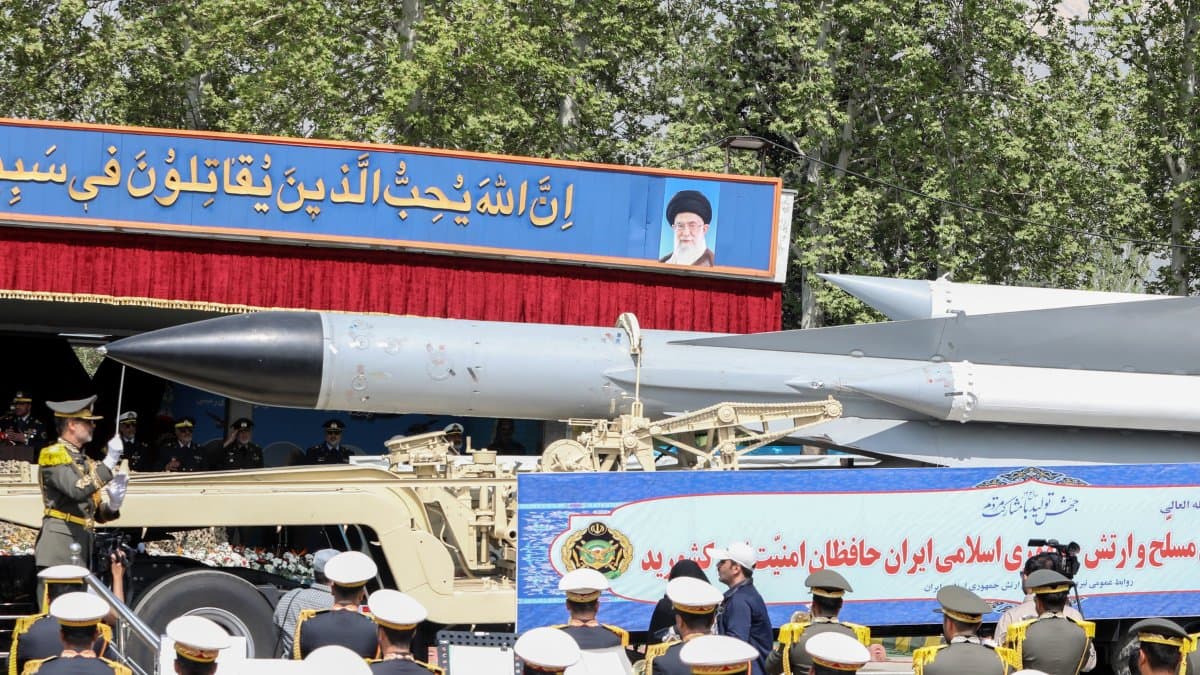
"He built a reputation as both an enforcer for and gatekeeper to his father, and became a target of public ire during the 2022 women’s rights demonstrations in Iran. That year Iran’s religious establishment elevated Mojtaba Khamenei to the rank of ayatollah, a prestigious religious title that is the minimum requirement to become the supreme leader of Iran," the newspaper added.
Khamenei, 56, has an extensive career within the Iranian regime. During the final years of the Iran-Iraq war, he was sent to the front lines as a 17-year-old teenager. He also delved deeply into Islamic studies, teaching Dars-e-Kharej for 15 years, the highest level of seminary instruction in Islamic jurisprudence and principles. However, he never attained the rank of “mujtahid,” the level of Islamic jurisprudence that many consider essential for the position of supreme leader.
He was even sanctioned by the United States in 2019, when he began to exercise some of the responsibilities of the supreme leader despite never having been elected or appointed to a government position. At the time, the Treasury Department accused him of working with the Revolutionary Guard Corps commander to promote "destabilizing regional changes and oppressive domestic objectives."
🛠 Do you think there is an error in this article?
Recommendations


LATEST