






Hamas hands over four more bodies after Israeli pressure due to delay
The delay in returning 28 bodies, including two Americans, threatened to stall the next phase of the agreement.
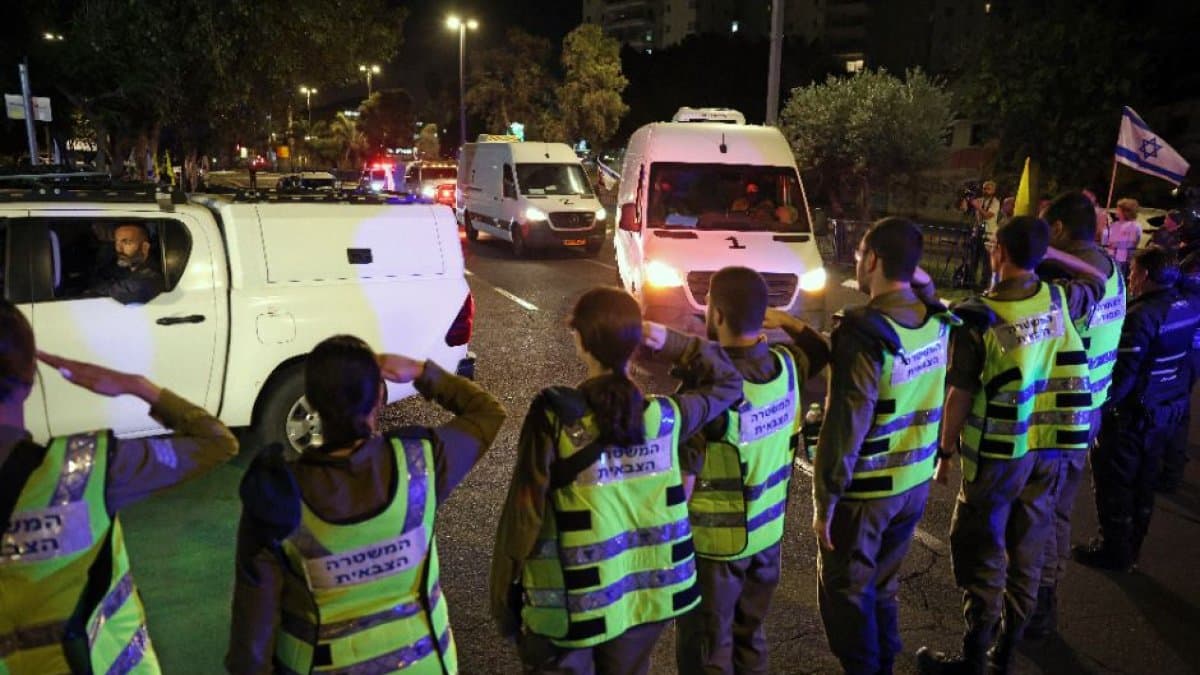

On Tuesday, Hamas delivered the remains of four hostages after Israel warned it would consider any delay in returning the agreed bodies as a breach, leading to the first crisis of the U.S.-mediated peace deal. The terrorist group's decision to suspend further deliveries caused immediate tensions, generated uncertainty about the continuity of the pact and forced emergency interventions by the mediating countries.
The focal point of the conflict is the 28 corpses that, according to the agreement, were to be returned. Among them are two U.S. citizens, Itay Chen and Omer Neutra. Hamas promised to hand over those remains, but during negotiations they warned that it did not know the exact location of many of the bodies and claimed that several could be trapped under rubble, so their recovery could take months.
Israel accuses Hamas of breaking the deal
Following Monday's handover of the four bodies, Israel claimed that Hamas had not complied with the established road map and was holding up the agreed-upon process. In response, Israeli authorities applied immediate pressure measures in the Gaza Strip to demand full compliance with the agreement. As confirmed by sources linked to the negotiation, the Israeli government insists that the commitment to the return of hostages and human remains must continue without delay or additional conditions.
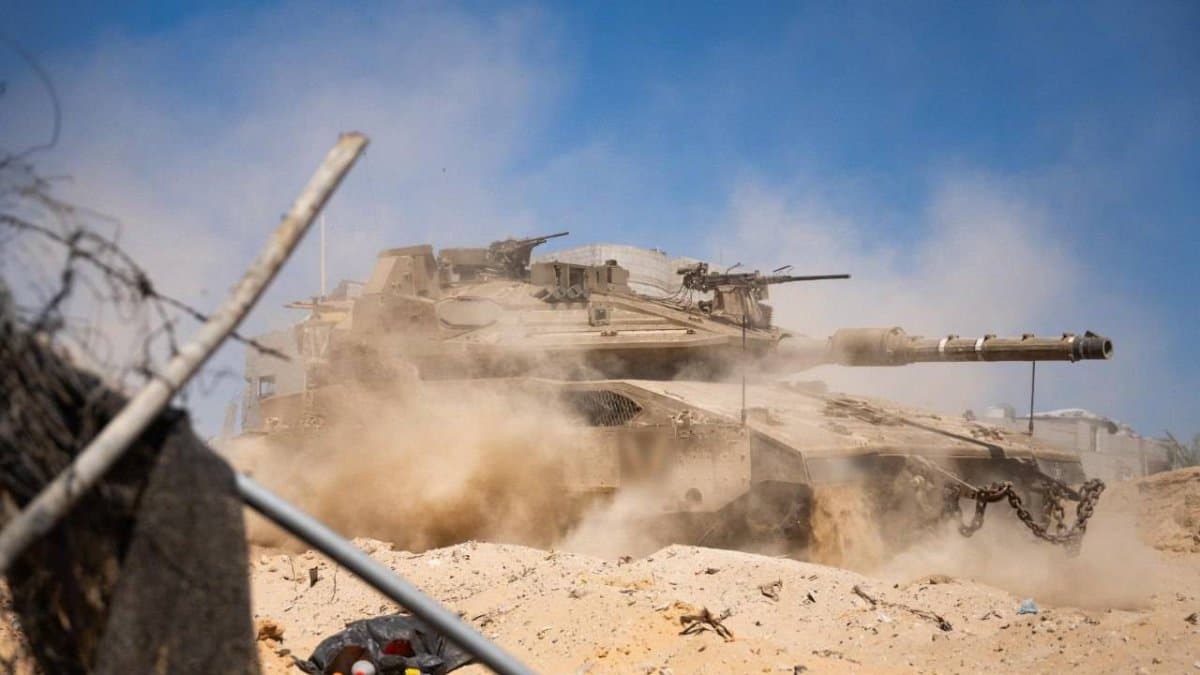
Concern in Israel intensified after it became known that Hamas was not planning to hand over any more bodies for the time being. Faced with that scenario, Israel reacted immediately: Prime Minister Benjamin Netanyahu approved blocking the reopening of the Rafah crossing between Gaza and Egypt and halting the entry of humanitarian aid trucks.

The future of the process
🛠 Do you think there is an error in this article?
Recommendations







LATEST