






Senate GOP rebellion continues: Four dissident senators join Democrats to sink Trump's SAVE America Act again
It is the second time Republicans have failed to push the measure through, months after forcing a protracted floor debate to push it through.
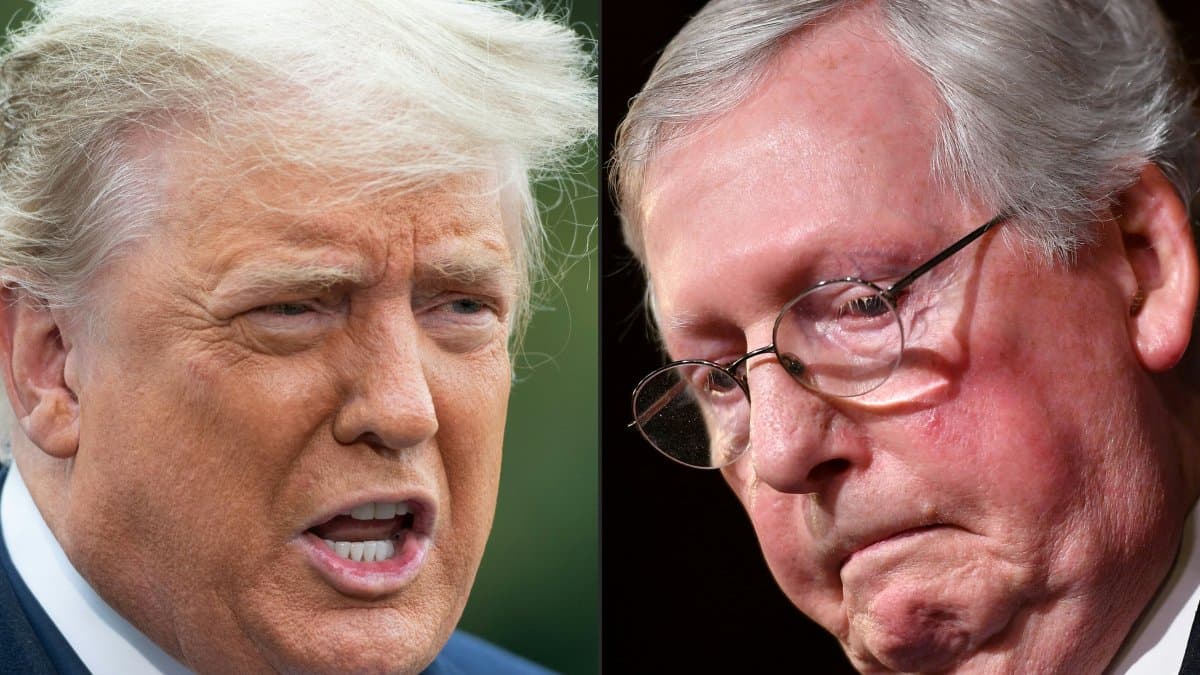

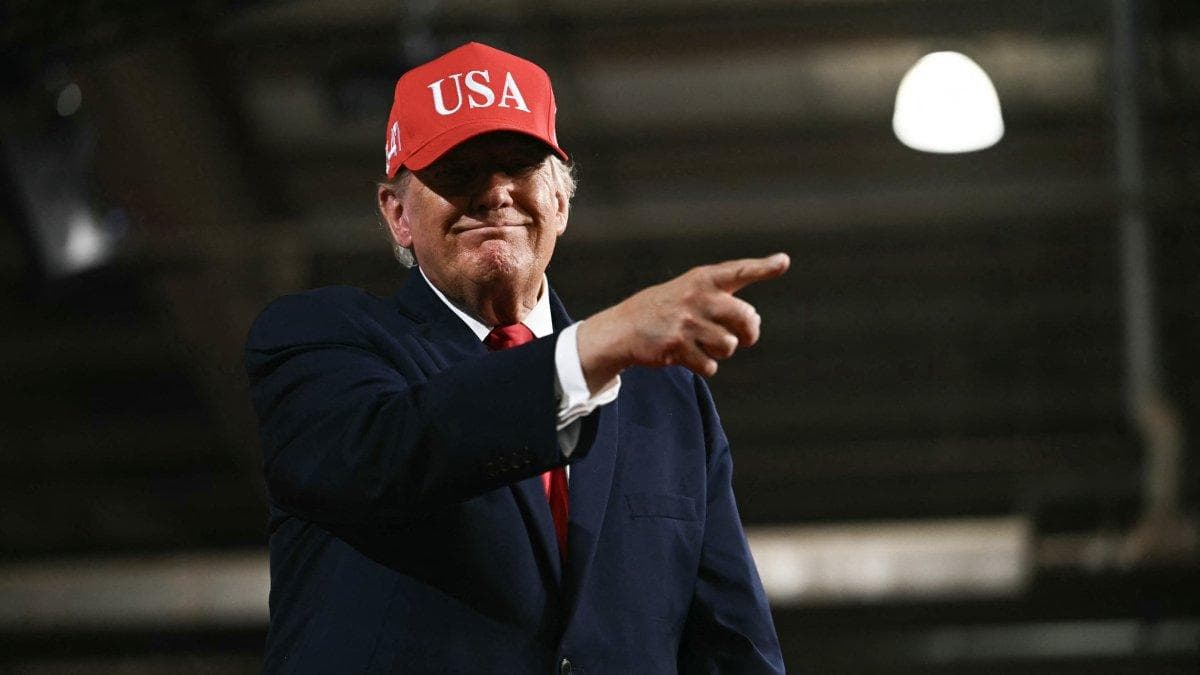
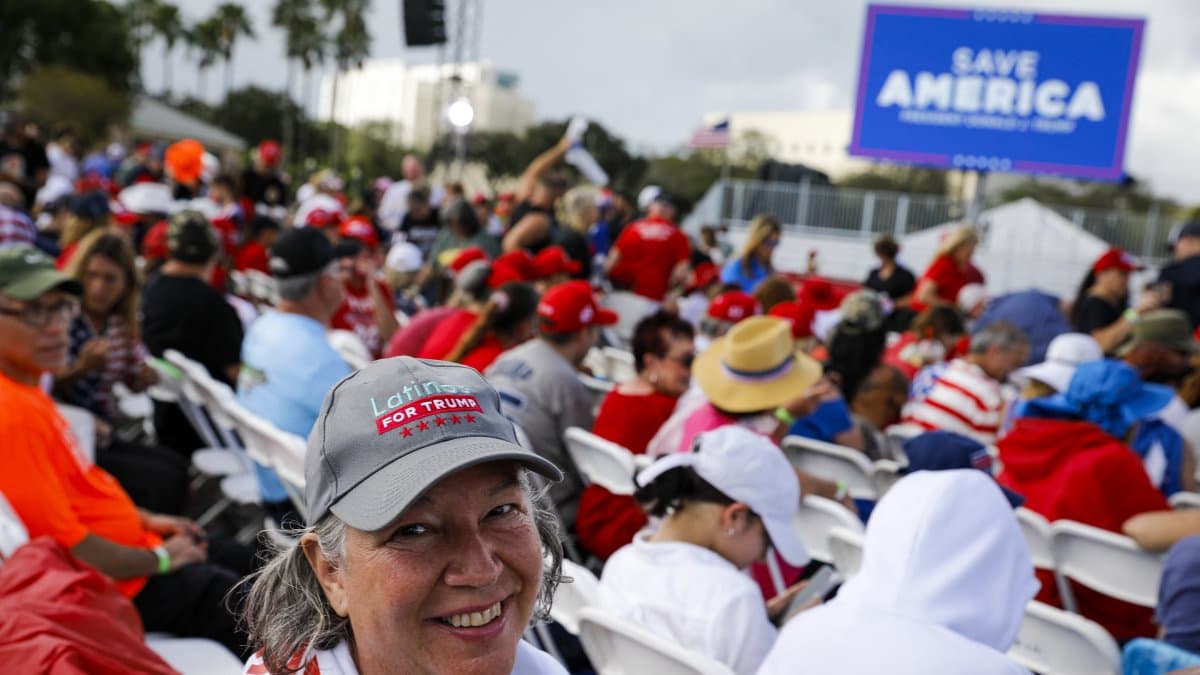
The rifts within the Republican Party in the Senate remain open. This time, four GOP senators broke ranks again this Thursday night, joining every Democrat to block, for the second time, passage of the SAVE America Act, the legislation championed by President Donald Trump and his allies on voter ID and election integrity.
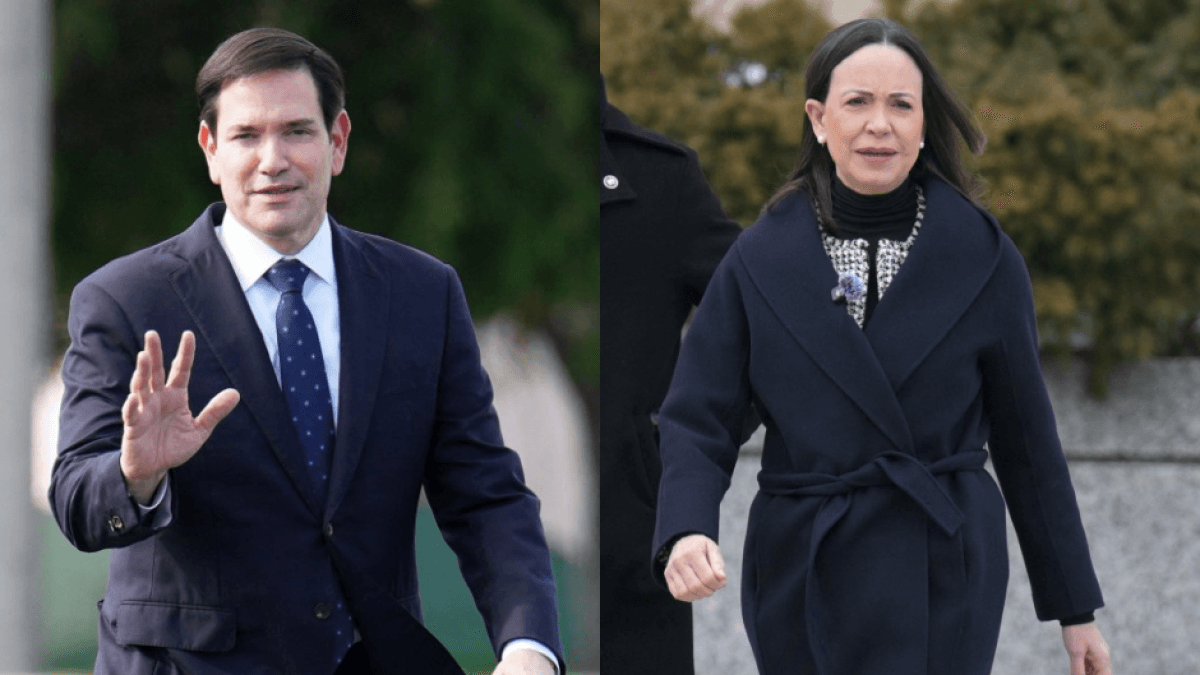
The dissenters did not budge. Susan Collins of Maine, Lisa Murkowski of Alaska, Mitch McConnell of Kentucky, and Thom Tillis of North Carolina once again voted against the legislation, which enjoys the backing of the majority of their Republican colleagues. Their votes, highly coveted in this context, were enough to derail the maneuver, dealing a fresh blow to President Trump's and congressional majority leaders' ability to maintain party discipline within their own ranks in both chambers.
The Republican attempt was to attach the Safeguarding American Voter Eligibility (SAVE) Act to the nearly $70 billion budget reconciliation package intended to fund Immigration and Customs Enforcement (ICE) and Border Patrol. By incorporating it that way, the amendment introduced by Senator Lindsey Graham of South Carolina required at least 60 votes to succeed, a threshold that fell well out of reach.
Politics
Four Republicans break ranks, House votes to limit Trump's Iran war powers
Emmanuel Alejandro Rondón
Politics
Dissident Republicans defy Trump and push for Russia sanctions, new Ukraine aid in House
Emmanuel Alejandro Rondón
It is the second time Republicans have failed to push the measure through, months after forcing a lengthy floor debate. The result solidifies the idea that the bill has little chance of advancing in the Senate, both because of the Democrats' close rejection and the lack of unanimous support within the Republican Party itself.
Graham challenged Democrats to block the amendment and accused them of favoring voter fraud by opposing mandatory voter ID. "There's no other reason to say you don't have to have an ID. It just makes cheating easier," he said.
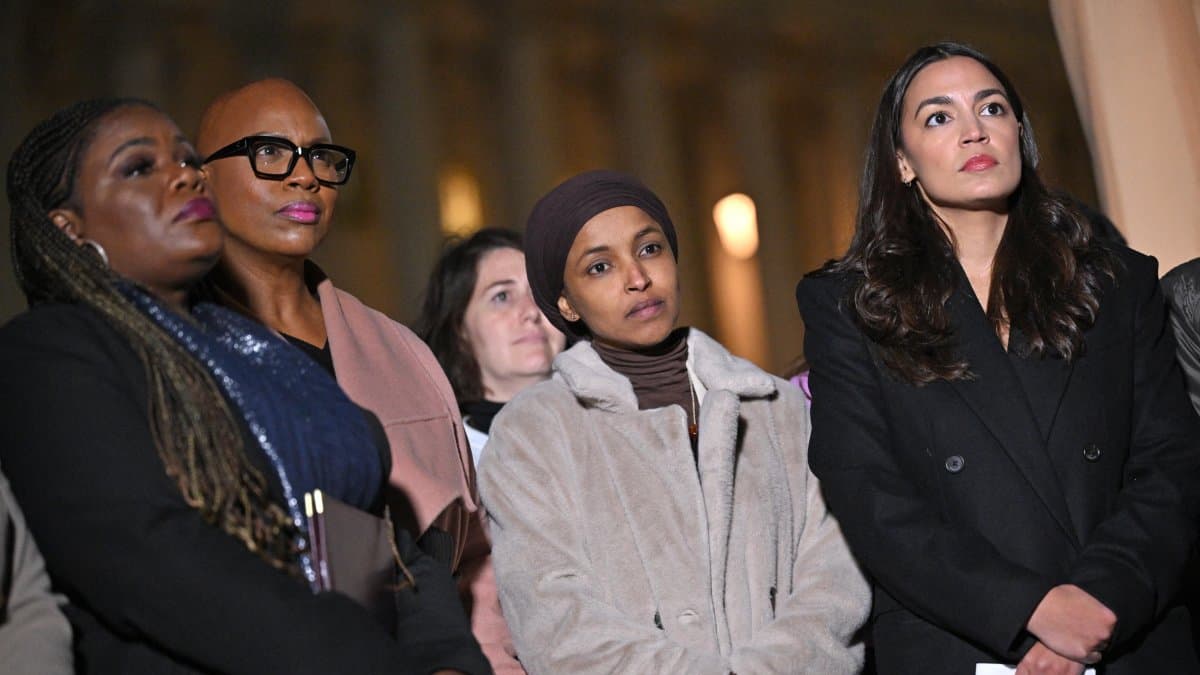
On the Democratic side, Sen. Alex Padilla of California recalled that a similar proposal had already been defeated with bipartisan support just over a month earlier. "Current safeguards are working," he said, stressing that federal law already prohibits noncitizens from voting in the United States.
This setback comes right in the midst of a legislative losing streak for President Trump. Just a day earlier, a group of dissident Republicans had allied with Democrats in the House of Representatives to push for new sanctions against Russia and additional aid to Ukraine, despite opposition from leadership and the White House. In that vote, Don Bacon of Nebraska, Brian Fitzpatrick of Pennsylvania, Mike Lawler of New York, Michael McCaul of Texas, Max Miller of Ohio, and Joe Wilson of South Carolina crossed party lines, along with independent Kevin Kiley of California, who usually votes with Republicans.
That same Wednesday, the House also passed a resolution to limit Trump's war powers vis-à-vis Iran, with four Republicans joining Democrats. Taken together, the three votes paint a picture of a party with key dissent at a delicate time, just months before the midterm elections.
🛠 Do you think there is an error in this article?
Recommendations



LATEST