Oklahoma man faces multiple felony charges after threatening to kill Sen. Thune and his family on three occasions
The Department of Justice framed the case as part of an initiative stemming from executive order NSPM-7, signed by President Trump last September, which targets domestic terrorism and organized political violence.
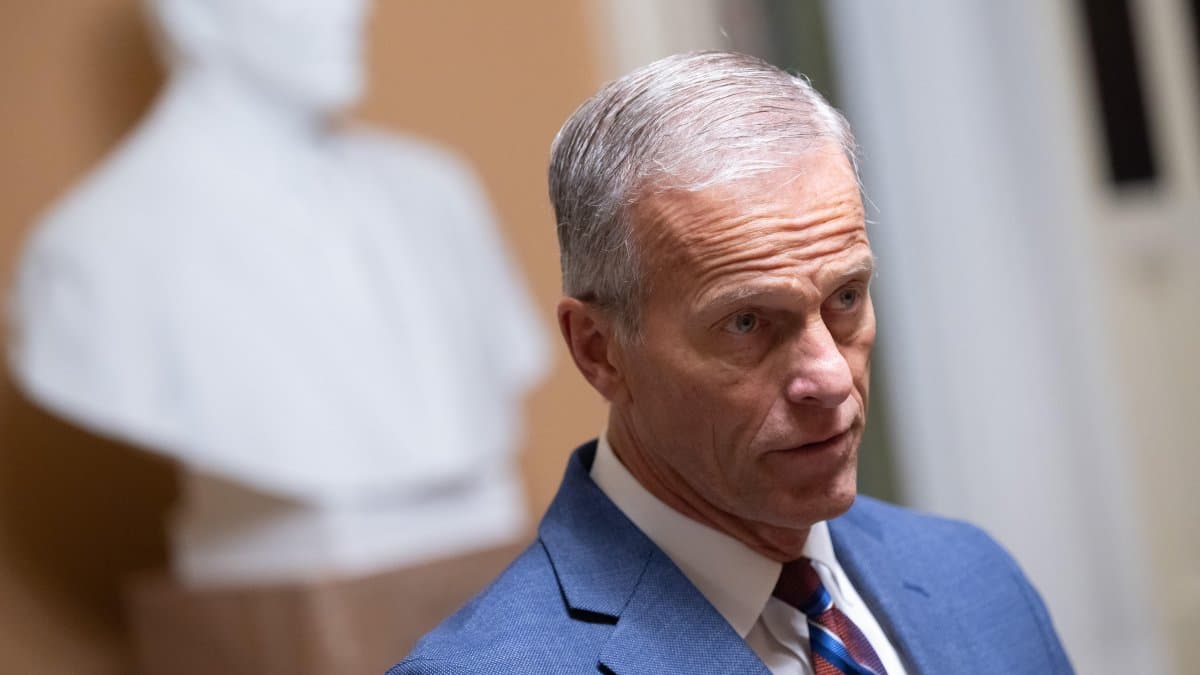

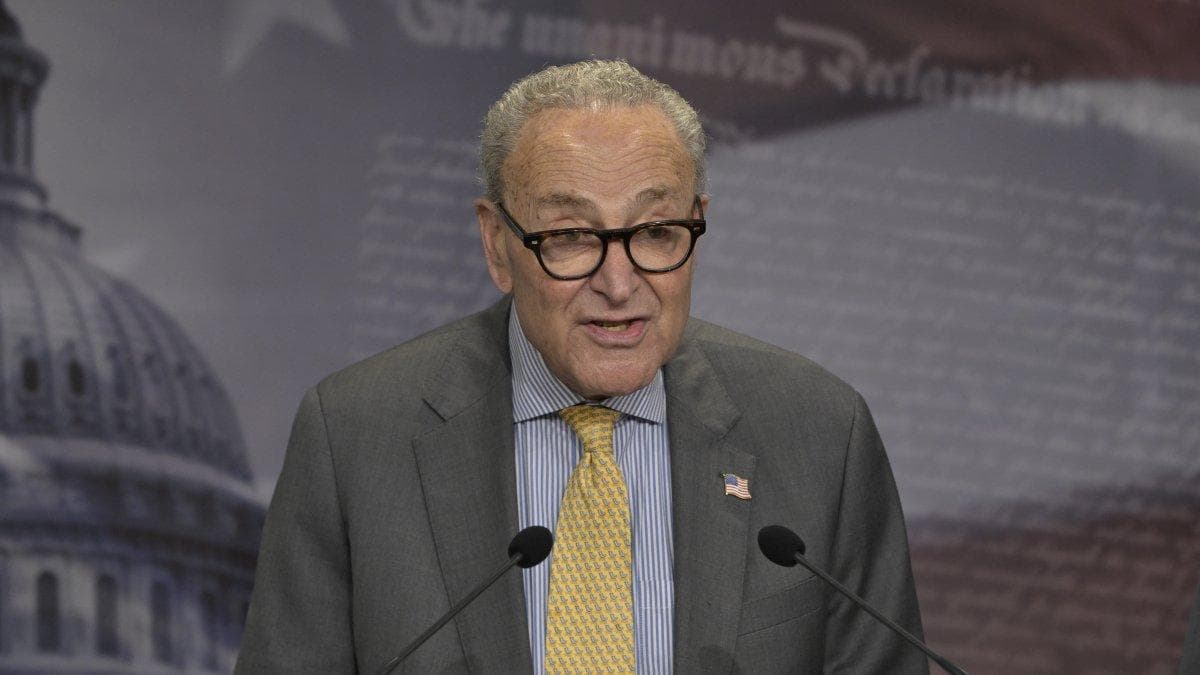
An Oklahoma man was formally charged Thursday with threatening to kill Senate Majority Leader John Thune (R-S.D.) and members of his family in a case that resulted in nine felony charges in federal court.
David Shuck, 63, appeared before U.S. Magistrate Judge Mark Steele in Tulsa after a grand jury found that he made the threats by telephone on three separate occasions in March. Steele placed a $10,000 bail for his release after prosecutors did not seek his pre-trial detention.
The indictment does not attribute a specific motive to the threats, beyond noting that they constitute retaliation for the Republican senator's exercise of official duties. Thune's office did not immediately respond to a request for comment.


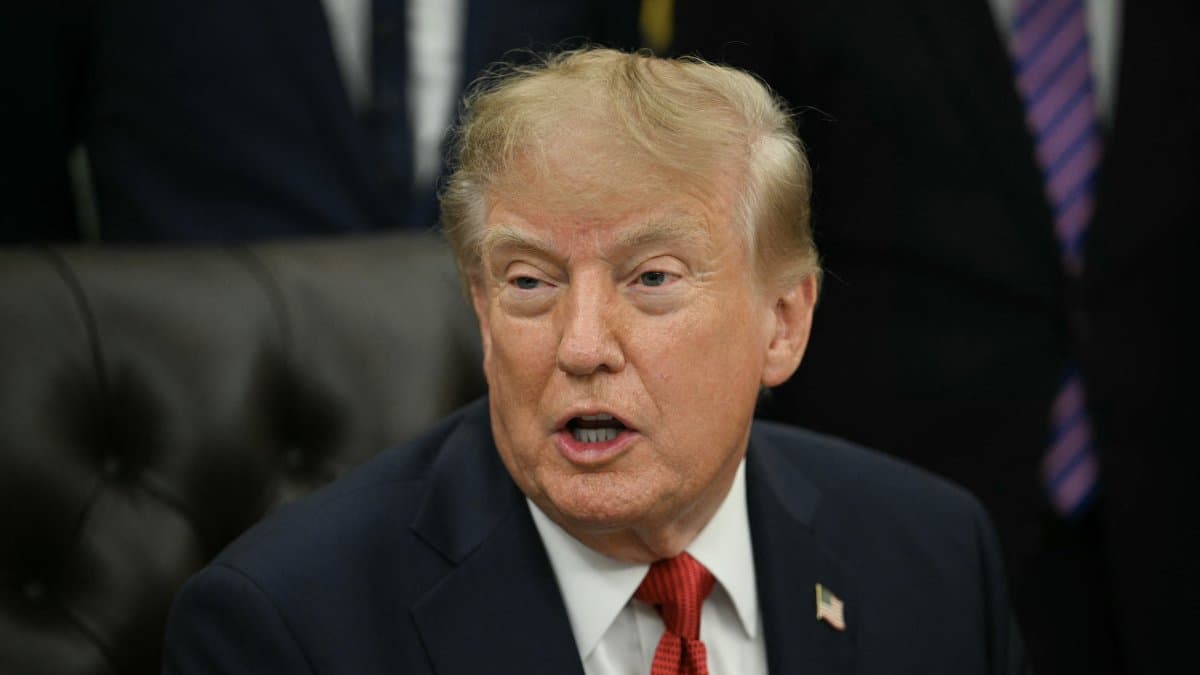
The Department of Justice framed the case as part of an initiative stemming from executive order NSPM-7, signed by President Donald Trump last September, which targets domestic terrorism and organized political violence. The order has generated controversy nationwide. Critics, including the American Civil Liberties Union (ACLU), warned that it could be used to persecute political opponents exercising their right to protest within legal channels. Its defenders, however, reject such criticism and argue that the presidential order is not aimed against legitimate protest, but against political violence by far-left groups, such as Antifa, and networks that, in their view, finance domestic terrorism.
This is not the first time Shuck has run into trouble with the federal judiciary. In 2012, before the same court in Tulsa, he pleaded guilty to charges related to operating a large-scale marijuana cultivation facility and served an 18-month prison sentence.
The case adds to a recent trend of threats against Congressional figures, prompting the Department of Justice to step up its response to such conduct.
🛠 Do you think there is an error in this article?
Recommendations





LATEST