As United States considers strikes inside Venezuela in coming weeks, a desperate Maduro offers Trump "his help" in pursuing the Tren de Aragua
"The administration’s policy is ‘maximum pressure’ on the Maduro regime, and no negotiations that could potentially benefit the regime are occurring," the White House said.

Donald Trump, Nicolas Maduro and a member of the detained Tren de Aragua

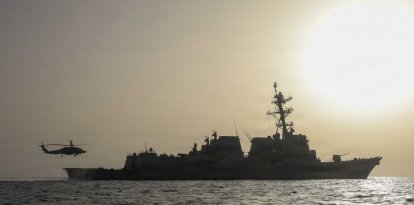
In the midst of an unprecedented military counter-narcotics campaign in the Caribbean Sea, the United States is already planning to carry out attacks on targets linked to drug trafficking within Venezuelan territory, according to senior officials of the White House to NBC News.
According to the news network, officials said the internal discussions include drone strikes against leaders of criminal groups and drug labs in the South American country.
Although discussions are advanced and the strikes could even occur in the coming weeks, President Donald Trump has not yet given the green light, NBC reported.
At the same time that the Trump administration is planning attacks on Venezuelan territory in its anti-drug campaign, Washington is holding talks with the dictator Nicolás Maduro through intermediaries in the Middle East.
According to the report, this avenue seeks to avoid military tension as the Trump Administration ramps up pressure against Nicolás Maduro and the ringleaders of the Chavista regime. In recent months, the White House has repeatedly accused the Maduro regime of flooding drugs and sending dangerous criminals to the United States. In addition, Washington increased the reward on Maduro's shoulders to $50,000,000, the highest in the country's history.

Likewise, the Trump Administration also designated as terrorist groups the Cartel of the Suns and the Tren de Aragua, two organizations linked to the Maduro regime. In fact, the U.S. Armed Forces sank at least three drug-laden vessels linked to these Venezuelan organizations.
In the midst of intense political pressure against the Chavista regime and the military anti-narcotics campaign in the Caribbean Sea, Maduro offered "his help" to the United States to capture leaders of the Tren de Aragua, as reported by Bloomberg.
According to sources familiar with the situation quoted by the media outlet, "Maduro said he could help locate the most wanted bosses of Tren de Aragua, a Venezuelan gang that operates in several countries across the Americas and which has become a priority for Trump."
The socialist dictator, according to the report, made the proposal in early September to the U.S. envoy for Venezuela, diplomat Ric Grenell. Maduro also attached a letter addressed to President Trump in which he asked for a direct dialogue with the US.
“I respectfully invite you, President, to promote peace through constructive dialogue and mutual understanding throughout the hemisphere,” Maduro said in a missive with a pleading tone.
However, the White House response to Maduro's offer to Trump was blunt: "The Maduro regime is not the legitimate government of Venezuela, it is a narco-terror cartel, and Maduro is not a legitimate president."
"The administration’s policy is ‘maximum pressure’ on the Maduro regime, and no negotiations that could potentially benefit the regime are occurring," the White House stated.
Although publicly the White House and the Pentagon do not speak of a "regime change" in Venezuela, Trump Administration officials admit under anonymity that that objective is not ruled out within the ongoing military operations.
LATEST