






Sam Altman warns about the future of AI: From cyberattacks to biological weapons
Altman issued one of the strongest warnings yet about the risks of advanced artificial intelligence.
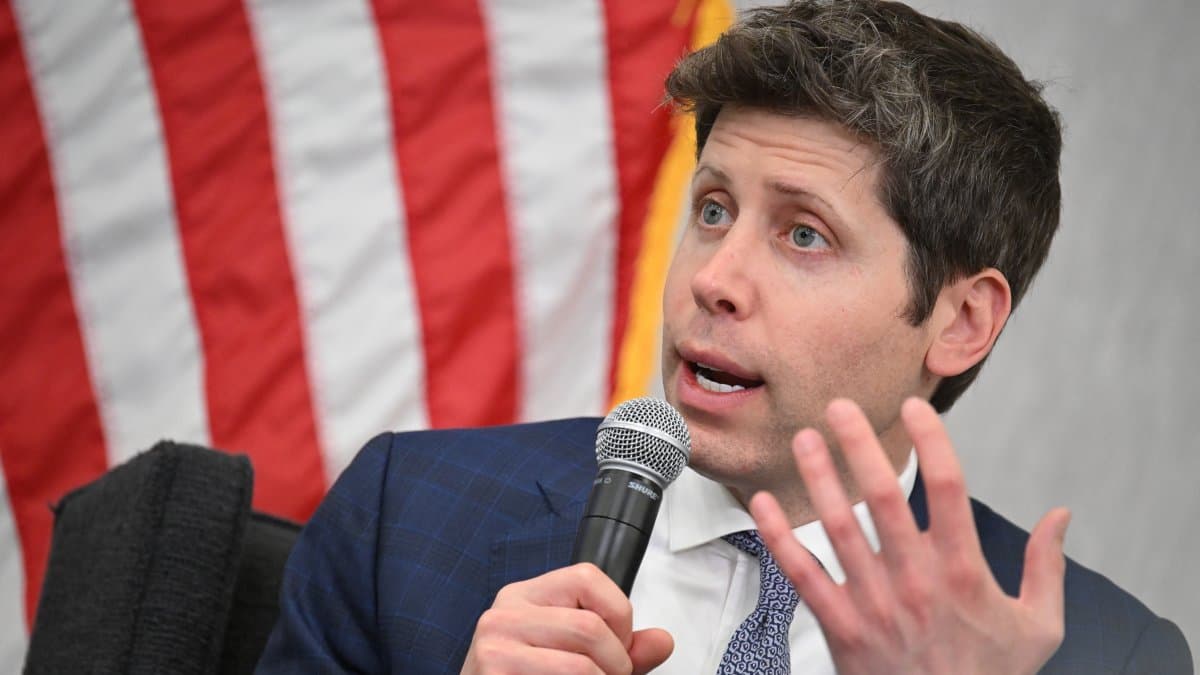

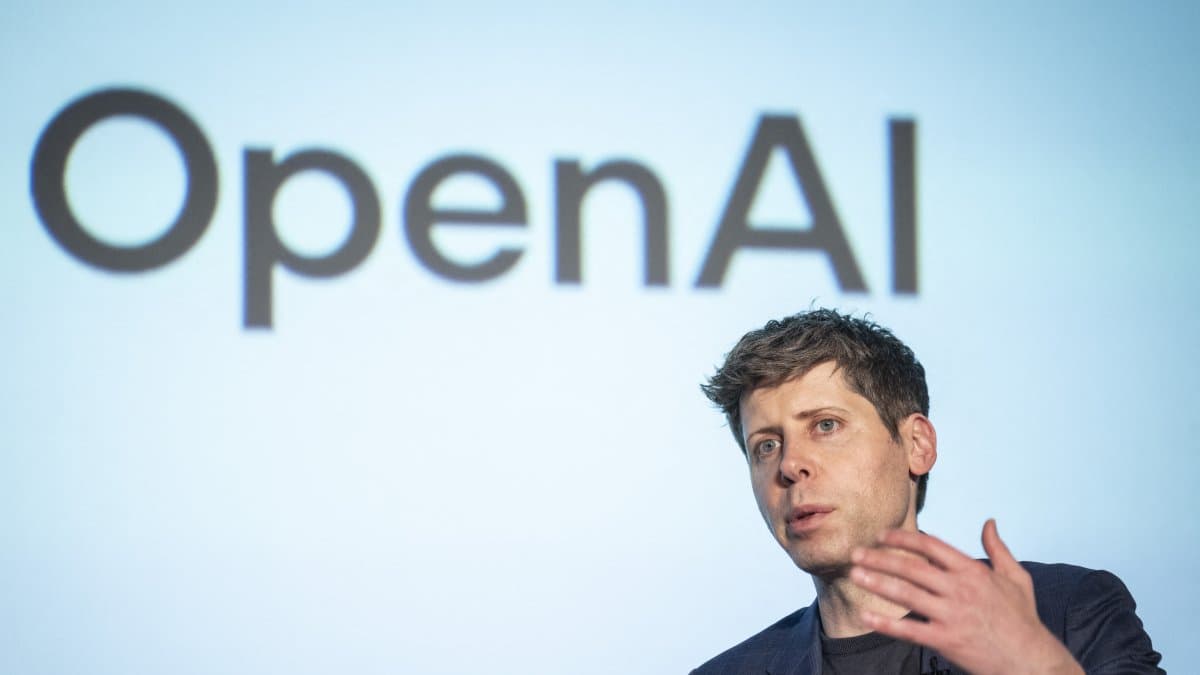
OpenAI CEO Sam Altman issued one of the starkest warnings yet about the risks of advanced artificial intelligence: increasingly powerful models could be used by terrorist groups to create new pathogens and execute large-scale cyber attacks.
In an interview with Axios on April 6, Altman assured that these threats no longer belong to the realm of speculation.
Society
Man who attacked Sam Altman's home intended to kill OpenAI director, prosecutors say
Williams Perdomo
"It's no longer theoretical - or won't be for a long time - that groups might try to create new pathogens using these models," he warned. "I think it's entirely possible that we will see a cyberattack that shakes the world later this year," he said.
OpenAI is a U.S. technology company devoted to developing advanced artificial intelligence systems, including models capable of generating text, images and code, with applications ranging from productivity to scientific research.
Real risks: From cyberspace to the lab
Altman identified two immediate threats derived from the accelerated advancement of AI: massive cyberattacks and the misuse of technological tools for biological purposes.
As he explained, upcoming models could facilitate highly complex tasks, lowering the technical barriers for malicious actors, from hostile states to terrorist organizations.
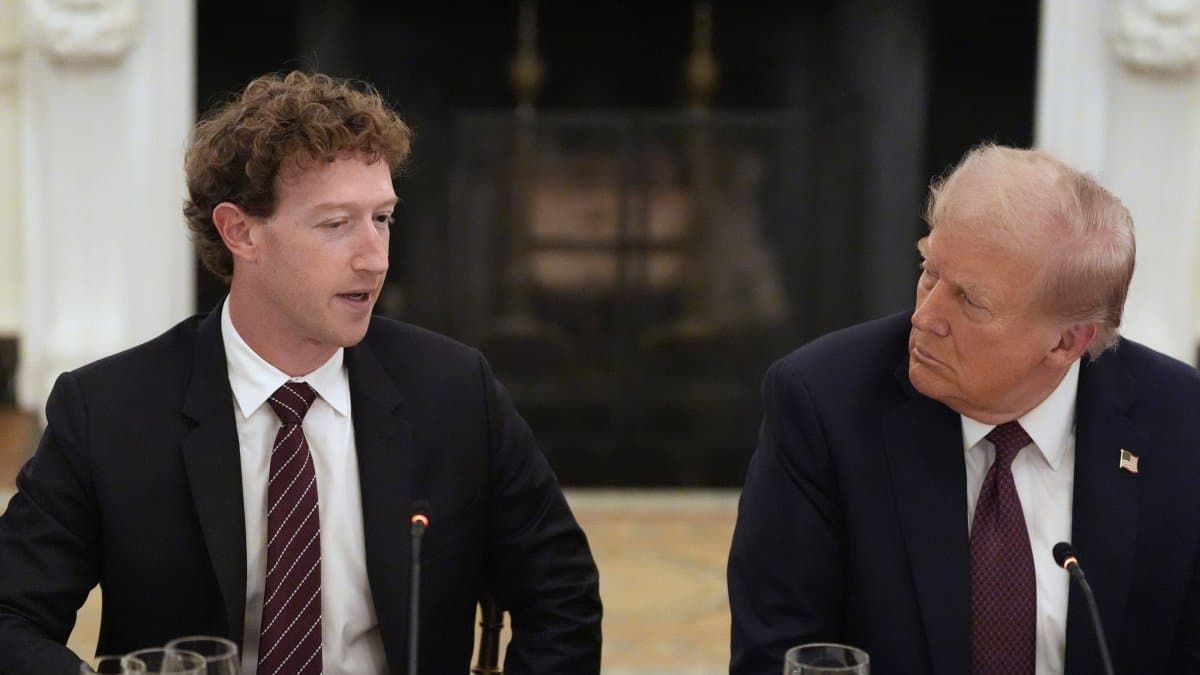
"In the next year we will see significant threats in the cyber domain that we will need to mitigate," he said. "The same tools that can cure diseases could also be used to design new ones," he explained.
The entrepreneur stressed that technology can promise unprecedented medical breakthroughs, but also opens the door to risks that were previously limited to highly specialized laboratories.
A technological race without a brake
Altman's statements come at a time when companies such as OpenAI are leading a global race to develop "superintelligence" systems, with economic, social and security implications.
The executive acknowledged that the pace of innovation outpaces governments' and institutions' ability to adapt.
"We feel a real urgency. We want this debate to be taken seriously and to start as soon as possible," he said. "This is something incredible, exciting and also scary at the same time," he added.
Regulation and the future of the system
Beyond the immediate threats, Altman also raised the need to redefine the economic and regulatory framework in the face of the impact of artificial intelligence.
From taxes on automation to new forms of wealth redistribution, the OpenAI CEO argues that the current model may not be sufficient to deal with the changes to come.
However, Axios explains, his proposals have also generated skepticism, coming as they do from one of the main drivers of the same technology that warns of its risks.
🛠 Do you think there is an error in this article?
Recommendations


LATEST