SpaceX reaches deal to acquire artificial intelligence startup Cursor for $60 billion
The partnership with that company gives Musk's company a key position in the race for artificial intelligence programming.
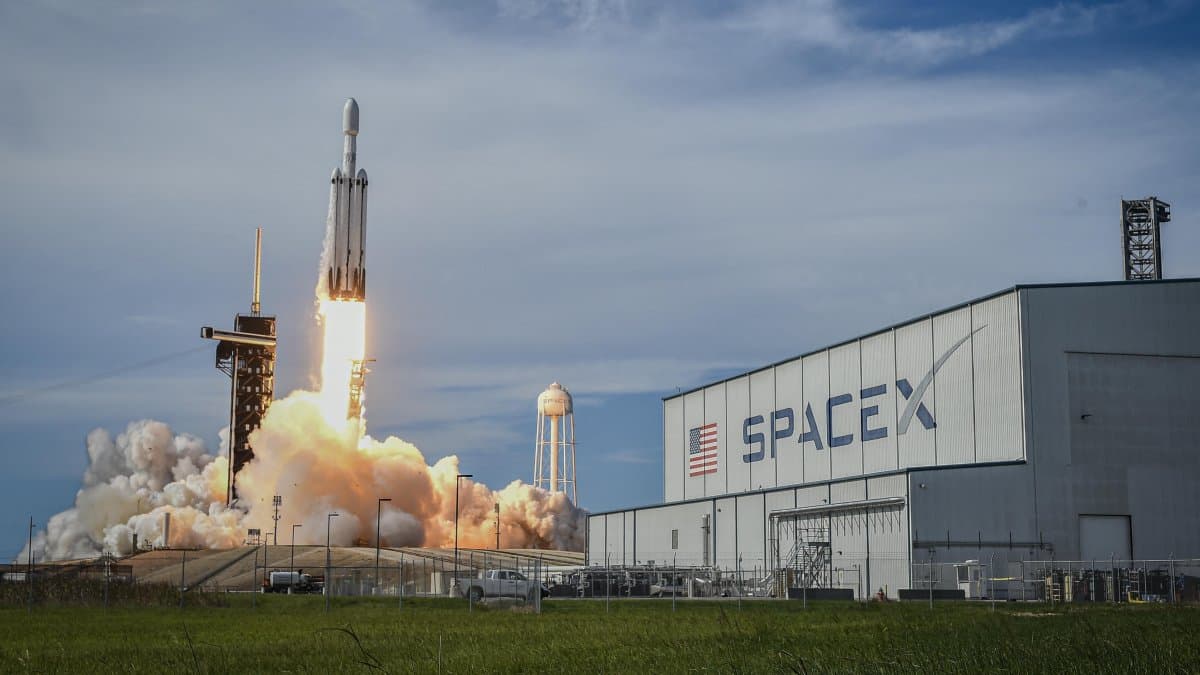
SpaceX announced Tuesday that it reached an agreement with artificial intelligence startup Cursor that lgives tycoon Elon Musk's company the option to acquire the firm later this year in a deal that will be valued at $60.billion. "SpaceXAI and @cursor_ai are now working closely together to create the world’s best coding and knowledge work AI," the aerospace company said in a post on its official X account.
On the partnership with SpaceX, Cursor CEO Michael Truell expressed his excitement in a social media post in which he explained that such a step will be instrumental for his company. "Excited to partner with the SpaceX team to scale up Composer. A meaningful step on our path to build the best place to code with AI," Truell wrote on X, in reference to the company's artificial intelligence model, which promises to be one of the most prominent among the competition in the following years, according to several specialized media.

The announcement about the deal comes shortly before an article in The New York Times indicated that SpaceX had agreed to buy Cursor for $50 billion, citing sources familiar with the matter. This move comes after Musk previously decided to merge the aerospace company with his artificial intelligence company xAI in February in a surprise deal he valued at $1.25 billion. For its part, Cursor has been in talks to secure $2 billion in new funding at a valuation in excess of $50 billion, with firms such as Andreessen Horowitz expected to co-lead the round.
Cursor develops tools designed to help software engineers test code, document changes and track workflows through logs, videos and screenshots. The partnership gives Musk's company a key position in the artificial intelligence programming race, given that Cursor will gain access to SpaceX's computational resources, including Colossus, a supercomputer powered by 200,000 Nvidia GPUs.
🛠 Do you think there is an error in this article?
Recommendations





LATEST