ANALYSIS
More and more Americans believe religion is gaining influence in the country
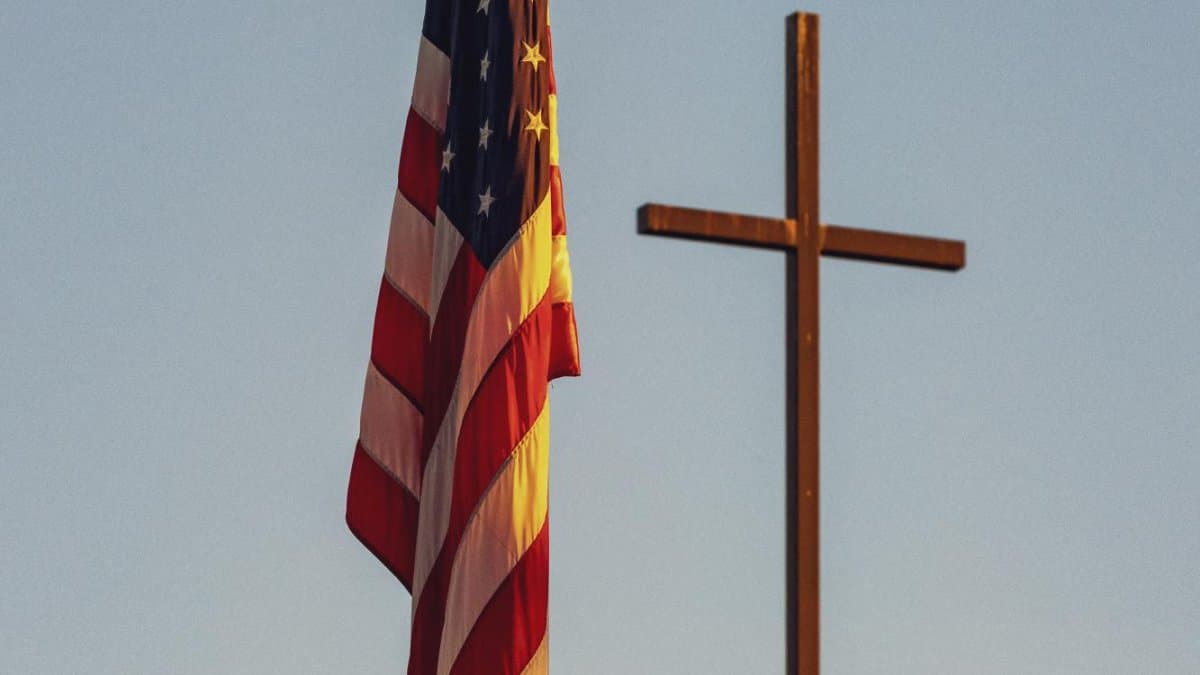
The perception that faith is once again occupying a more visible role in U.S. public life reached its highest level in more than a decade, according to new measures from the Pew Research Center
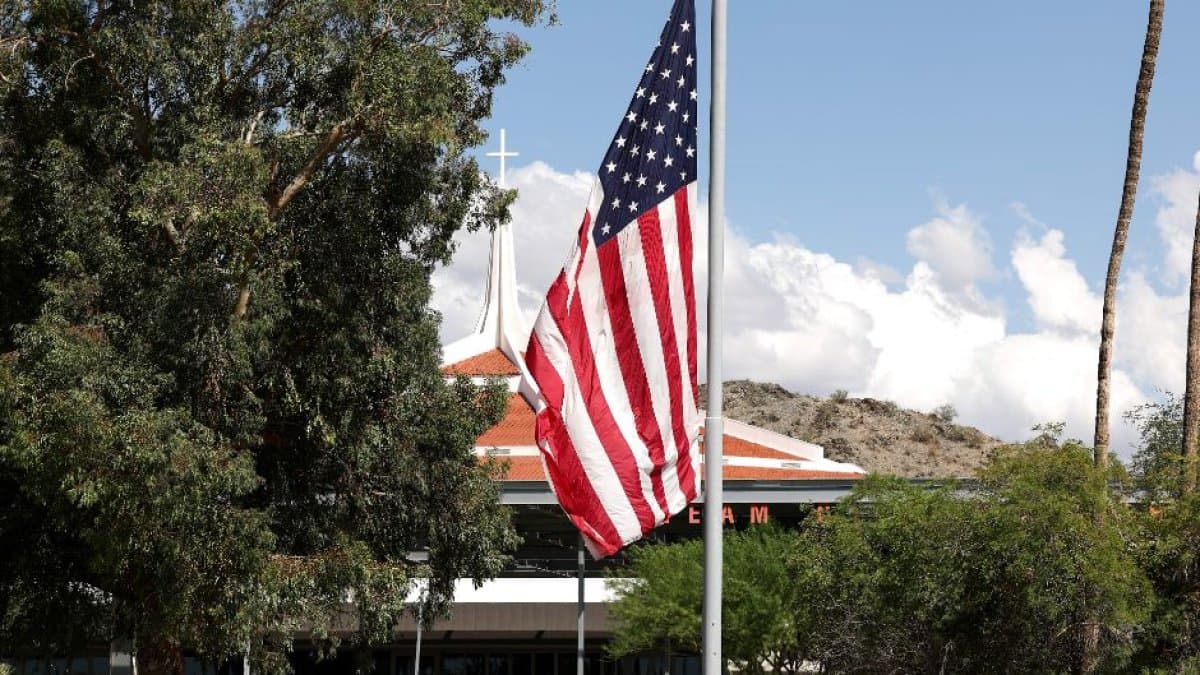

After years in which most Americans perceived a steady retreat of faith in the public sphere, new data show a significant shift in the trend. A national survey conducted by the Pew Research Center earlier this year reveals that 31% of adults believe religion is gaining influence in American life, a significant increase from 18% the previous year and the highest level in 15 years.
While the majority view remains that religion is losing ground, that perception dropped sharply: from 80% in 2024 to 68% in 2025. The shift reflects not only a statistical change but also a new social climate around religious identity and its values in public life.
Increased appreciation of the role of religion
The study shows a clear upturn in the positive valuation of the religious role. In total, 59% of Americans express a favorable opinion of the influence of faith in society, either because they perceive that its presence is increasing and see it as a good thing or because they negatively consider that its influence has diminished.
Only 20% express a negative stance towards religious influence, while 21% remain neutral or avoid taking a position.

Greater openness to the role of religion in public life
The study points out that the increase in positive opinions occurs in almost all segments: Republicans and Democrats, young and old, and different religious or non-religious groups. This uptick breaks with previous trends and stands as a widespread change in perception over the past five years.
In addition, more Americans now feel a clash between their religious convictions and mainstream culture. In 2025, 58% said they experienced at least "some conflict" between their beliefs and the country's cultural climate, up 10 points from 2024 and 16 points from 2020.
Political, age and belief differences
- 71% of those 65 and older view its influence positively, while among adults 18-29, the figure is 46%.
- Among religious groups, the highest support comes from white evangelical Protestants (92 %), followed by black Protestants (75 %), Catholics (71 %), and white non-evangelical Protestants (67 %).
- Only 6 % of atheists and 11 % of agnostics view the role of religion favorably.
Christianity and national values
A companion survey, conducted in May 2025, delved into specific perceptions of Christianity. Twenty-seven percent of Americans believe its influence is increasing—up from 19 percent in 2020 - though it remains a minority. For 48%, that influence is declining.
The study also reveals that for nearly one-third of Christians, loving the country is essential to their religious identity, while nearly half consider it important but not essential.
Most religious states: Mississippi leads the nation
Additional Pew data also confirm that religiosity varies widely by region. Mississippi emerges as the most religious state in the country: half of its adults identify themselves as "very religious," more than 60% say faith is very important in their daily lives, and 74% say they believe in God with absolute certainty.
It is followed by South Carolina, South Dakota, Louisiana, and Tennessee. At the opposite extreme, Vermont is the least religious state, along with New Hampshire, Maine, the District of Columbia, and Nevada.
For this measure, Pew assessed frequency of prayer, attendance at religious services, personal importance of faith, and certainty of belief in God or a higher being.
A country reevaluating the role of faith
Amid debates about religious freedom, education, and the place of traditional values in the national culture, these data point to a new moment in the public conversation. After years of perceived decline, a growing number of Americans recognize the weight that religion can play in the country's identity and cohesion.
Discussions regarding America's moral and social direction in the years to come may be influenced by the growth of viewpoints that emphasize the significance of faith and the ascent of those who believe that their beliefs conflict with the prevailing culture.
🛠 Do you think there is an error in this article?
Recommendations



LATEST