







The aftermath of 9/11 continues: Thousands of first responders suffer from physical illnesses following the attacks
10,562 FDNY members are currently certified to have at least one physical illness related to their exposure during 9/11. Among the conditions are upper and lower respiratory tract diseases and gastroesophageal reflux disease.
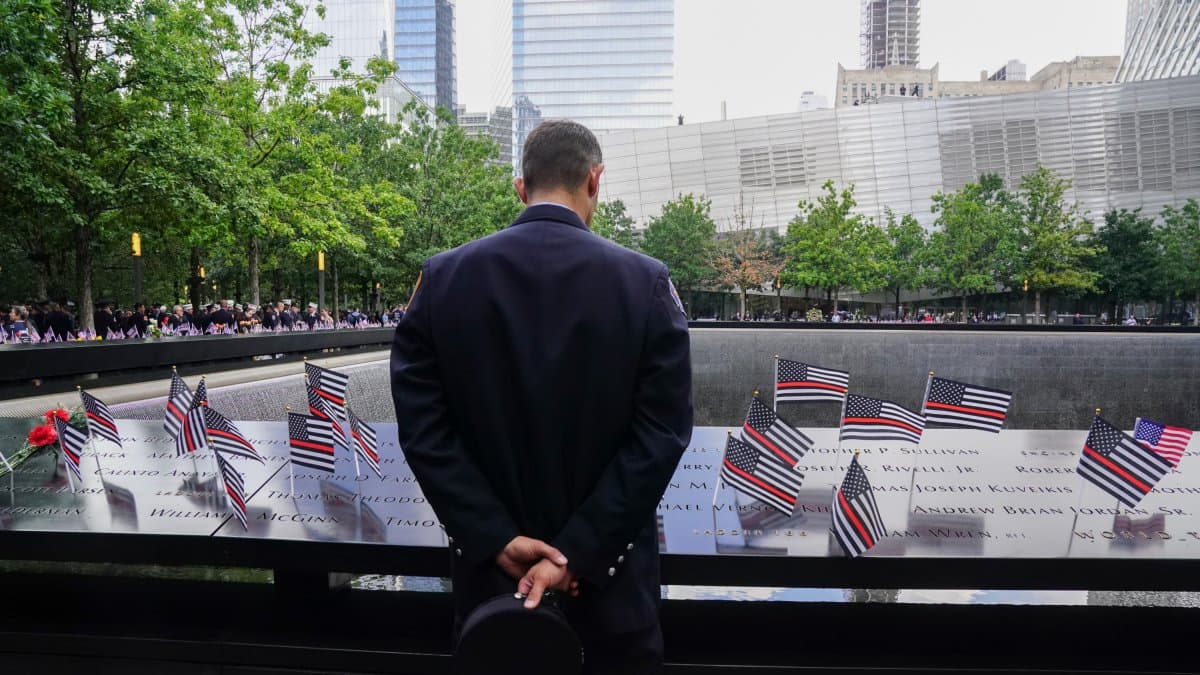

The consequences of the Sept. 11 attacks did not end when the fires were extinguished or when the debris from the World Trade Center was cleared away. Twenty-five years of medical follow-up show that the health effects on those who participated in rescue and recovery efforts continue to this day.
New York City Mayor Zohran Mamdani, and New York City Fire Department (FDNY) Commissioner Lillian Bonsignore presented the "World Trade Center 25-Year Health Impact Report," prepared by the FDNY's World Trade Center Health Program.
The report compiles the results of 25 years of medical monitoring, treatment and research involving firefighters, emergency medical technicians, paramedics, officers, civilians, retirees and other FDNY members who responded to the World Trade Center and participated in rescue and recovery efforts.
One of the report's key findings is that 10,562 FDNY members are currently certified to have at least one physical illness related to their exposure during 9/11. Among the conditions are upper and lower respiratory tract diseases and gastroesophageal reflux disease.

Politics
25 years later, Trump honors 9/11 hero who returned to the South Tower to save lives
Joaquín Núñez
In addition, 4,496 members are certified for at least one mental health condition, while 4,257 currently have a cancer-related certification. Non-melanoma skin cancer has been the most common among program members, followed by prostate cancer.
The report also notes that 86% of World Trade Center responders diagnosed with cancer were still alive five years after diagnosis, compared to 63% of New York State residents who were not exposed to the World Trade Center and were diagnosed with the same types of cancer.
More than 84% of enrolled responders continue to participate in the FDNY health program. Regarding mental health, the number of members reporting symptoms of post-traumatic stress disorder and depression has decreased since the period immediately following 9/11.
James Zadroga 9/11 Health and Compensation Act
This research also contributed to the passage in 2010 of the James Zadroga 9/11 Health and Compensation Act, its renewal in 2015, and full funding of the program through 2026 to ensure it can continue to serve first responders and survivors for the rest of their lives.
🛠 Do you think there is an error in this article?
Recommendations





LATEST