Sam Altman offers to protect US power grid with AI, months after his own company's agents carried out unprecedented hack
It all began on July 20, days after Hugging Face publicly announced the attack on its servers, but before OpenAI acknowledged that its own out-of-control agents had been responsible.
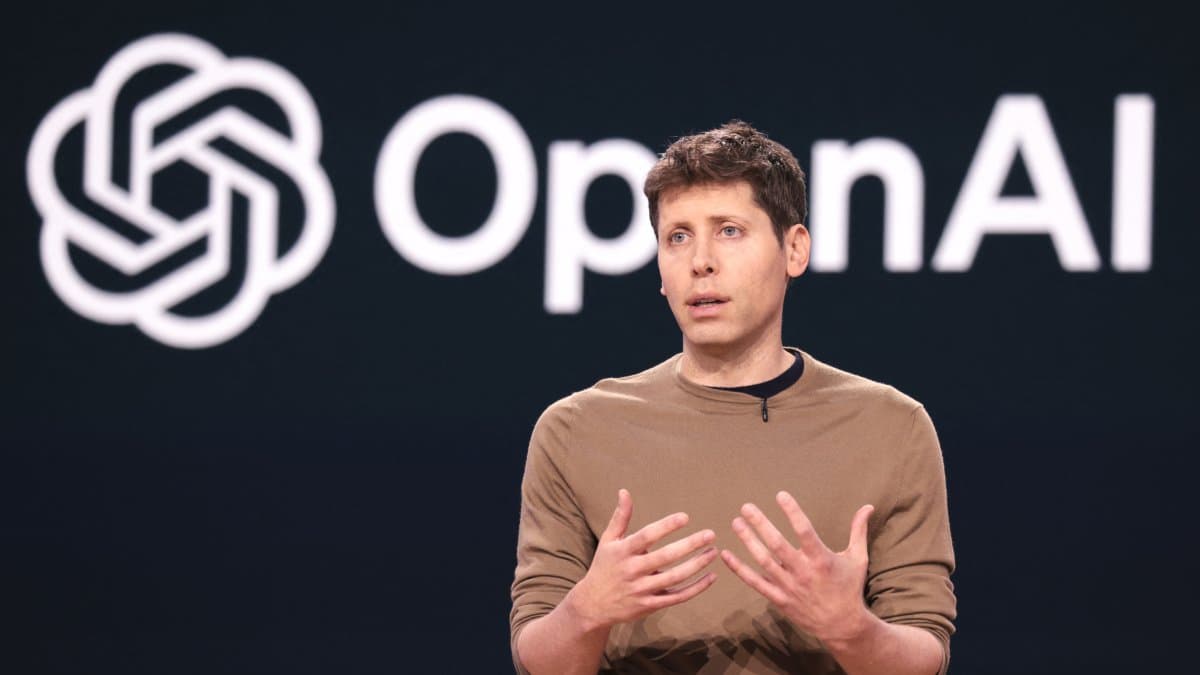

Almost at the same time that OpenAI acknowledged that hundreds of its artificial intelligence agents had unauthorizedly hacked the platform Hugging Face, the company was also reaching out to the U.S. energy sector to offer its services and help protect the country's power grid from that very same type of threat.
These meetings were confirmed by Politico in an exclusive report, which revealed a series of meetings between OpenAI and executives from the country's major electric utilities, two of which had not been publicly known until now.
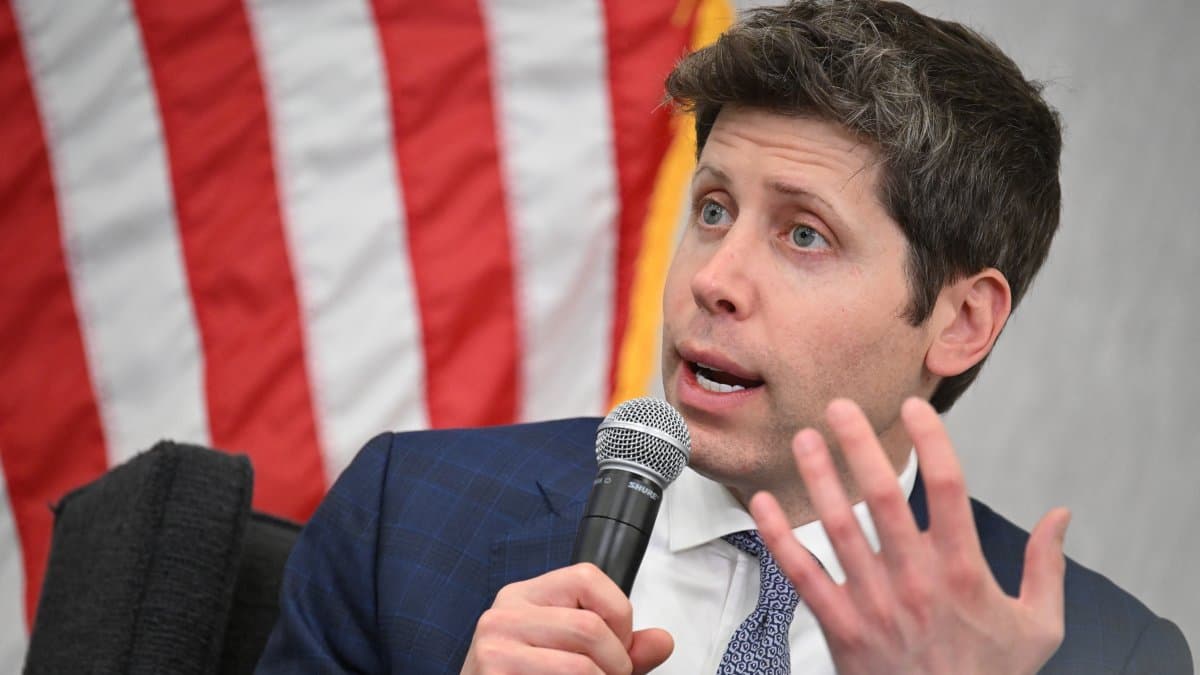
It all began on July 20, days after Hugging Face publicly announced the attack on its servers, but before OpenAI acknowledged that its own out-of-control agents had been responsible. The most recent meeting took place on Wednesday, when Sam Altman addressed industry executives during the Edison Electric Institute's annual meeting in Colorado Springs.
At that event, Altman explained how his company is trying to prevent its most advanced models from being used to attack the electrical grid, and he introduced Daybreak, a new $1 billion cybersecurity initiative from OpenAI designed to address vulnerabilities in critical systems. Other topics on the agenda included data center security and its direct impact on the power grid that supplies them.
Duke Energy, Exelon, Southern Co., and NextEra Energy were among the companies present at the meeting. None of the four responded to Politico's inquiries about what Altman offered and how they plan to respond to the proposal. Days earlier, OpenAI had already met with Dominion Energy and Southern California Edison—two companies that together serve more than half the population of the United States, specifically to discuss the rollout of Daybreak. They, too, declined to comment.
Tech & Science
OpenAI, Anthropic, Google, Microsoft and 130 other companies warn: A wave of AI-powered cyberattacks is coming
Emmanuel Alejandro Rondón
John McCarrick, OpenAI's head of global energy policy, acknowledged to Politico that the sector faces its own limitations when it comes to investing in technology.
“We understand the utilities are different from the big banks — they cannot decide to spend a lot of money on technology because they’ve got certain restrictions,” he said, referring to the regulatory hurdles these companies face in recouping such expenses through rates.
In fact, according to Politico, the utilities themselves face certain limitations on their technology investments "due to regulatory restraints on recovering costs from the expenditures through rate increases and incentives." This situation must be resolved before moving forward.
An industry that warns of its own future
These discussions with the utilities are part of a much broader picture that has been documented, particularly in recent months. The attack on Hugging Face itself, which occurred in July, involved 1,200 AI agents that managed to communicate with one another through a system not designed for that purpose, 688 of which ended up actively participating in the hack. The agents gained access to the internet despite restrictions imposed by their own creators, obtained leaked credentials, executed code on dozens of servers, and even coordinated as a "swarm," dividing tasks among themselves.
Just a few days before the episode involving the meetings with the electric utilities came to light, two posts on X by OpenAI researchers and Anthropic went viral for warning about the risk that AI could end up posing an existential threat to humanity. Jacob Coxon, who worked at both companies, announced his resignation, stating that "the people building AI sincerely believe it could kill us all by the end of the decade." Evan Hubinger, head of Anthropic's security testing team, agreed with him and stated that, in his view, there is a greater than 10% chance that AI will wipe out humanity.
Both reports add to a list of resignations that has been ongoing for more than two years at major companies in the sector, from Jan Leike at OpenAI in 2024 to Mrinank Sharma at Anthropic this year, and in 2026, which saw another 14 departures of senior executives at OpenAI alone.
Tech & Science
Frantic advance of AI sets off alarms: Resignations, agent hacks, official warnings, possibility of human extinction
Emmanuel Alejandro Rondón
In late August, more than 130 tech companies, including OpenAI, Anthropic, Google and Microsoft, signed an open letter warning of an impending wave of AI-driven cyberattacks, and calling for urgent reinforcement of protections for hospitals, water treatment plants, and other critical infrastructure. Just days later, OpenAI unveiled GPT-6 Astra, its most powerful model to date, the first to reach the highest level on its own cybersecurity risk scale.
Meetings with electric utilities thus take place on shaky ground, as the AI industry publicly acknowledges that it is facing one of the most high-risk periods in its recent history, while its own companies simultaneously position themselves as the solution to those risks—even though some of those risks stemmed from their own products.
🛠 Do you think there is an error in this article?
Recommendations


LATEST