






25 years after 9/11: A Muslim mayor in New York and a divided public
In 2002, the gap between Republicans and Democrats on whether Islam promotes violence was just nine points (32% versus 23%). Today, however, that gap has skyrocketed to 47 points: 76% of Republicans hold that view, compared with just 29% of Democrats.
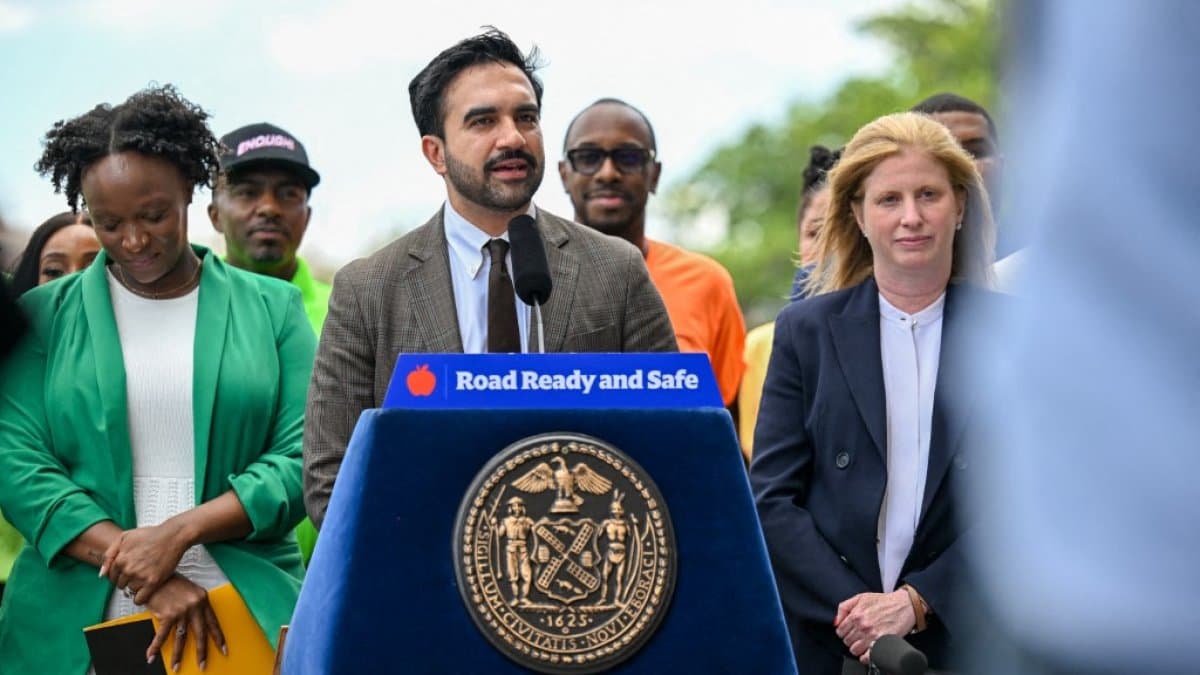

This Friday, Zohran Mamdani will become the first Muslim mayor in New York City's history to attend the official 9/11 anniversary ceremony at Ground Zero, where the Twin Towers exactly 25 years ago, in the deadliest attack ever carried out on U.S. soil by Islamic terrorists. Perhaps some might consider this an indication that the country has overcome the trauma of that fateful event; however, the reality of the numbers is diametrically opposed.
According to an extensive report published last week by the Pew Research Center, Americans' views on Islam have not improved at all over the past 25 years. In fact, they have clearly worsened. In March 2002, just six months after the Al Qaeda attacks, 25% of adults in the country believed that Islam was more likely than other religions to promote violence, a perception largely explained by the rhetoric of peace, unity, and reconciliation that President George W. Bush espoused at the time. In today's turbulent climate, that figure stands at 51%, slightly more than double. The Pew study itself adds another finding that clearly shows how Americans' perceptions have not changed since 9/11: 43% of those surveyed believe that Muslims are less patriotic than the rest of their fellow Americans, and 42% believe that the Muslim community has a negative impact on the country.
But if these numbers accurately reflect reality, how is it that a Muslim mayor was elected in the Big Apple? Polarization explains it well, as it does many things in the United States today.
The report shows that the country did not, in fact, "change its mind," but rather became divided. In 2002, the gap between Republicans and Democrats on whether Islam promotes violence was just nine points (32% versus 23%). Today, however, that gap has skyrocketed to 47 points: 76% of Republicans hold that view, compared to just 29% of Democrats. In other words, perceptions of Islam have become yet another front in the culture war sweeping the country, following a similar pattern to issues such as abortion, illegal immigration, AI, climate change, or specific political figures like Donald Trump or Barack Obama.
New York, of course, is one of the most Democratic cities in the country, and it is precisely the environment where this polarization favors a mayor with more extremist and disruptive ideas like Mamdani, who, in addition to being Muslim, is a socialist, anti-Israel, and espouses far-left economic ideas in a city that had already been shifting toward that political trend for quite some time, in line with the radicalization of the Democratic Party itself.
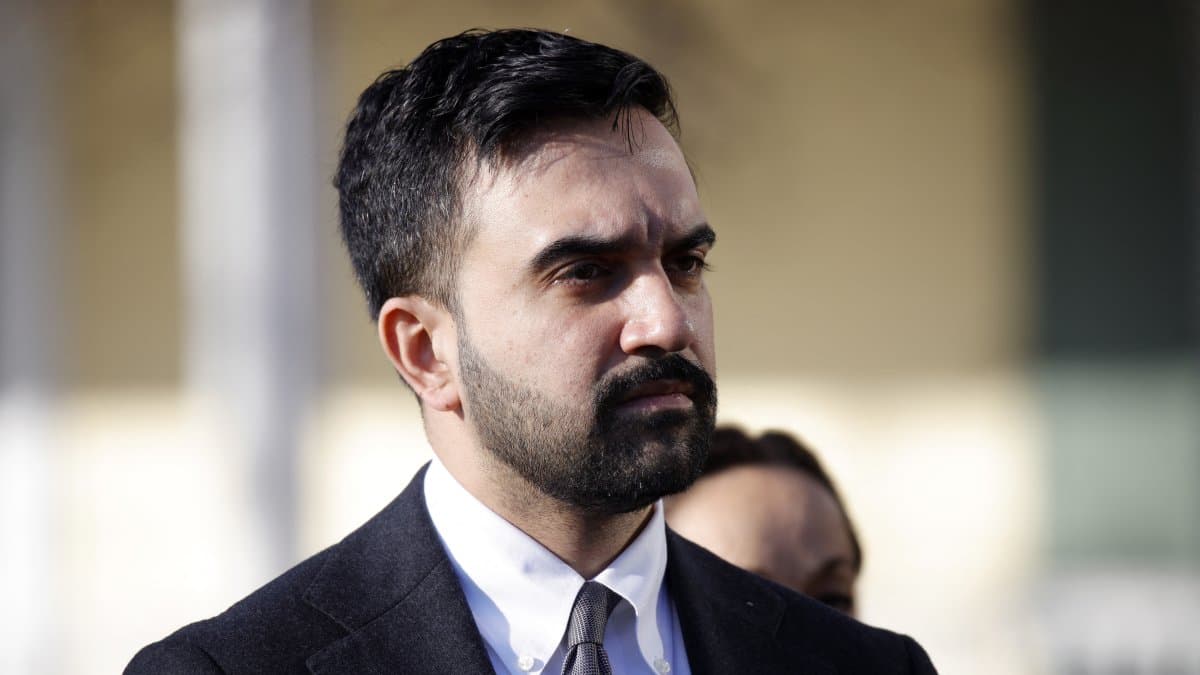
Exit polls from Mamdani's election victory last November largely confirm this trend. According to a survey by the Council on American-Islamic Relations, 97% of the city's Muslim voters supported his candidacy. Data from the Associated Press and NBC News pointed in the same direction, with nearly 90% of the Muslim vote in his favor. Voter turnout among that community also rose by between 40% and 50% compared to the 2021 elections, following years of low voter turnout that many activists attribute to the legacy of surveillance and suspicion that 9/11 left in its wake regarding New York City's Muslim community. Interestingly, this massive mobilization of Muslim voters secured Mamdani's victory; unlike Democrats in the past, he did not face such a wide gap against the former Democrat and independent Andrew Cuomo, who received 41.32% of the vote compared to 50.78% for the socialist politician. The Republican candidate, Curtis Sliwa, received 7%. Not long ago, the previous mayor, Eric Adams, had won with 66.99% of the vote.
In his victory speech, Mamdani himself sent a message to New York's Muslim community, his most important base of support.
"No more will New York be a city where you can traffic in Islamophobia and win an election," he said, adding that he wanted a city where "the more than one million Muslims know that they belong—not just in the five boroughs of this city, but in the halls of power."
But reducing Mamdani's election to a simple story of collective triumph would also be incomplete, since, while the Muslim vote swung almost unanimously in his favor, the city's Jewish vote did exactly the opposite. Various polls placed Jewish support for his rival, Andrew Cuomo, between 60% and 63%, well above the 33% that Mamdani received from that same demographic. The now-mayor's positions on Israel and the conflict in Gaza were, according to several analysts, the main reason for that gap, and even sparked harsh reactions from Israel, where some officials described Mamdani's victory as the city "handing the keys" to a Hamas sympathizer.
Politics
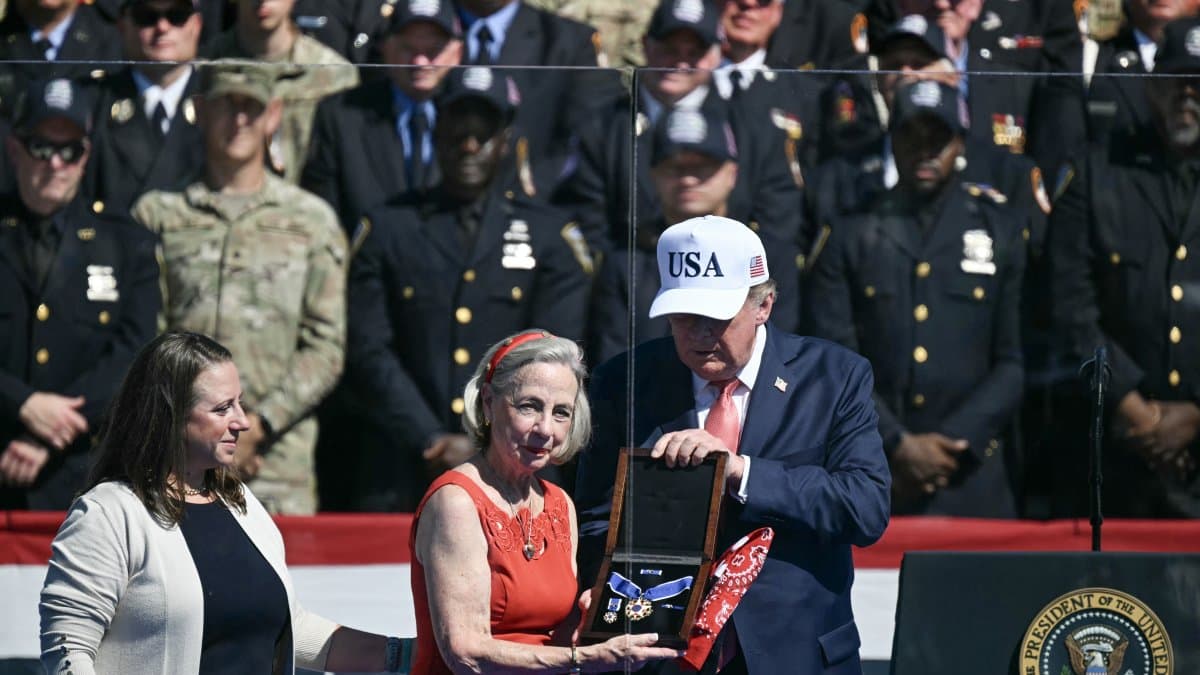
25 years later, Trump honors 9/11 hero who returned to the South Tower to save lives
Joaquín Núñez
These numbers show that the city has not left religious tensions behind, not even at the polls. The focus of the conflict has shifted, to a large extent, from the more historical "Islam versus the West" confrontation toward a more specific dispute centered on Israel and the Middle East, which today challenges the Democratic coalition itself at the national level, becoming a point of conflict among several influential politicians in the Democratic Party.
This Friday's ceremony is therefore, without a doubt, a snapshot that reflects this unresolved tension. President Donald Trump, with whom Mamdani has clashed repeatedly, will not attend Ground Zero—organizers do not allow political speeches at the site—but will instead deliver a speech at the Pentagon, the other site attacked that day. Instead, Vice President J.D. Vance will represent the Trump administration at New York. Meanwhile, Mamdani's mere presence also sparked strong opposition from conservative circles. Former New York Governor George Pataki publicly called on him to refrain from attending, and a citizens' petition—driven largely by relatives of 9/11 victims—has already gathered more than 100,000 signatures demanding his exclusion from the event.
The city's former mayor and Trump ally Rudy Giuliani also joined the chorus of criticism. In an interview with Newsmax, he stated that Mamdani's presence at the ceremony offends him personally, and insinuated that the current mayor does not recognize 9/11 as an Islamic terrorist attack. Mamdani, for his part, avoided responding directly and limited himself to saying that his priority this week will be "the families whose loved ones were stolen from them 25 years ago in the horrific act of terror of September 11thy."
While controversy rages in the media and in the press, Pew's own data offers, perhaps, the most honest explanation of why this debate remains so heated right now, 25 years after the worst terrorist attack in U.S. history. When respondents were asked to explain in their own words why they distrust Islam, many responded with statements such as "Due to 9/11" or “Fear of another 911 terrorist attack.”
So, in reality, little has been forgotten about 9/11. What has changed is the perception among Republicans and Democrats, which used to be much more aligned and has now—just like other topics of conversation—simply drifted apart.
🛠 Do you think there is an error in this article?
Recommendations
LATEST