






A risky political move ahead of the legislative elections? The White House's strategy on Venezuelan oil faces harsh criticism
Including business figures with past ties to contracts under the Chavista regime has raised concerns.
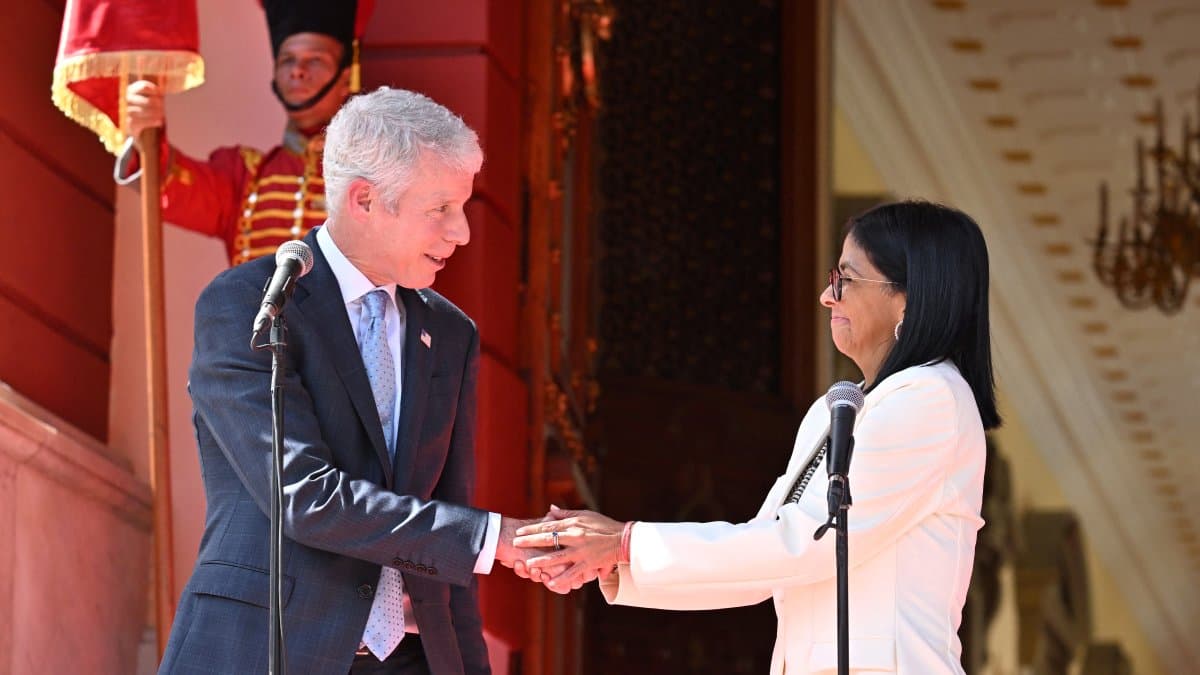

A report prepared in Washington by journalist David Alandete details the deep concern in the corridors of the White House over the political and electoral impact of the recent energy agreement reached with representatives of the Venezuelan regime, a maneuver aimed at influencing the oil market that has sparked strong criticism among the Hispanic diaspora and within sectors of Congress itself.
The report reveals that the Trump administration recognizes it underestimated public reaction to the intermediaries brokering the pact.
The inclusion of Alejandro Betancourt López, previously linked to contracts with the Chavista regime, has raised concerns, especially since he has been implicated in U.S. judicial investigations into alleged irregularities in the financial system, complicating the U.S. diplomatic narrative.
Legal obstacles and an unusual path for government involvement
The practical implementation of the oil agreement faces significant legal loopholes within the federal bureaucracy itself.
According to sources at the Pentagon and the White House, the administration is evaluating options for the U.S. government to acquire a 35% stake in a private company created to exploit Venezuela's energy resources.
However, government agencies' legal teams have not yet devised a clear legal mechanism to support a government investment of this nature in a private corporate entity.
This institutional caution aligns with the reluctance of major U.S. private oil companies, which have proceeded with extreme caution given the lack of legal certainty and the illegitimacy of Venezuela's institutional framework.
Shift in immigration policy and tension with the opposition leadership
Tension over the energy issue has run parallel to a hardening of immigration court rulings under the Department of Justice.
Recently, immigration courts have begun to deny asylum applications on the grounds that Nicolás Maduro's ouster on January 3 substantially altered conditions in the country, making it possible for applicants to return, despite the fact that allegations of human rights violations persist and numerous political prisoners remain in detention.
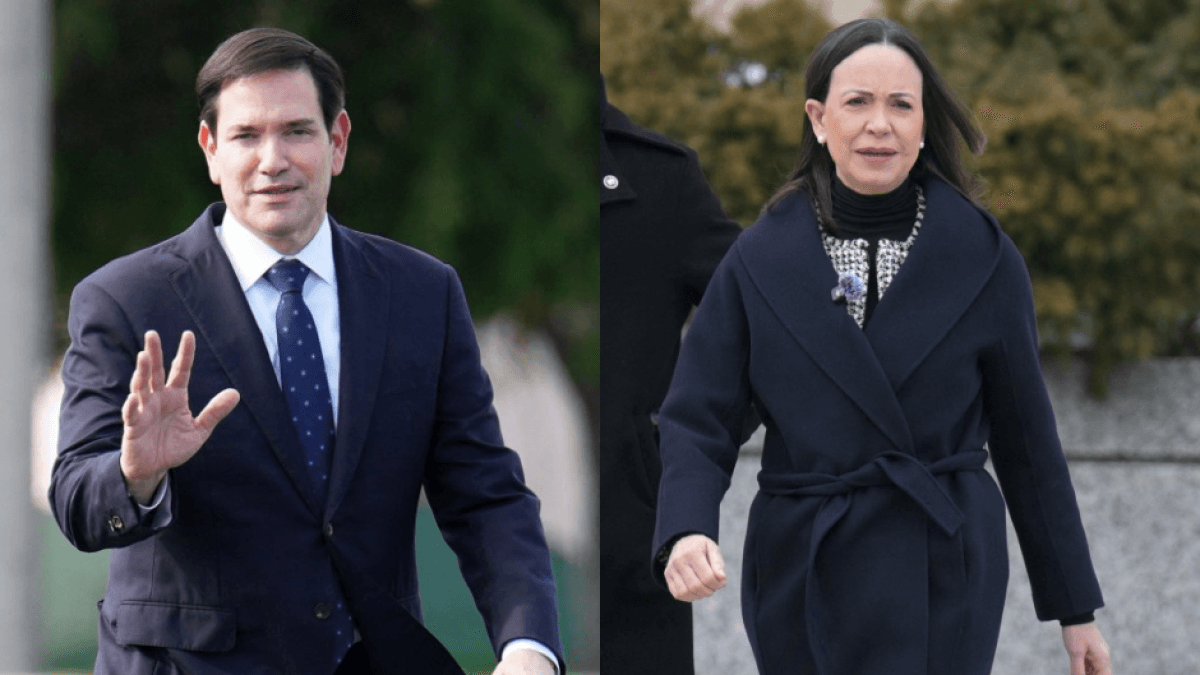
On the diplomatic front, the cautious statement by opposition leader María Corina Machado, who emphasized that any agreement must be signed with strict respect for the rule of law, was met with prolonged silence in Washington.
Sources indicate that the Venezuelan opposition's priorities, focused on democratization and transparent electoral processes, are beginning to diverge from the White House's agenda, which is primarily oriented toward oil price stability and national security in light of the complex situation in the Middle East.
The electoral cost ahead of key elections and the change in spokespeople
The White House's strategic shift is not only raising concerns on the international stage but also beginning to cast a shadow over the domestic electoral landscape.
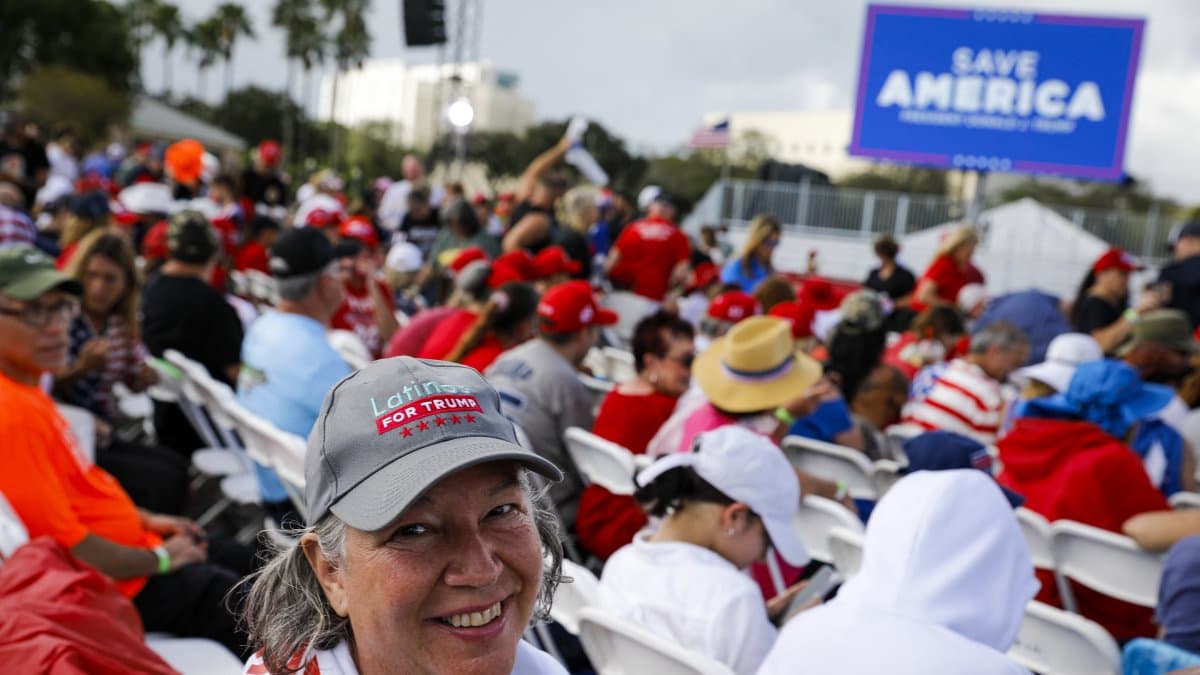
Conservative members of Congress and senators have alerted the Executive Branch to the growing discontent among Venezuelan and Colombian exile communities in swing states, where naturalized voters could make their voices heard at the polls during the upcoming special elections.
In a move described as striking within the White House, the official role of defending the agreement fell not to the usual media outlets or the Department of State, but to Vice President JD Vance.
By justifying the agreement as a necessary measure to contain gasoline prices amid the conflict with Iran, the administration reshuffled its priorities, placing national security interests and domestic economic recovery above the hemisphere's democratization agenda.
Updates
Will Cilia Flores be released from prison? Defense requests house arrest in NY citing health concerns
Andrés Ignacio Henríquez
🛠 Do you think there is an error in this article?
Recommendations

LATEST