9/11: 100 million Americans have no memory of attack that changed country's history
Ensuring that future generations understand the price of freedom, the demands of national security and the importance of unity in the face of external threats remains the country's greatest educational responsibility for the future.
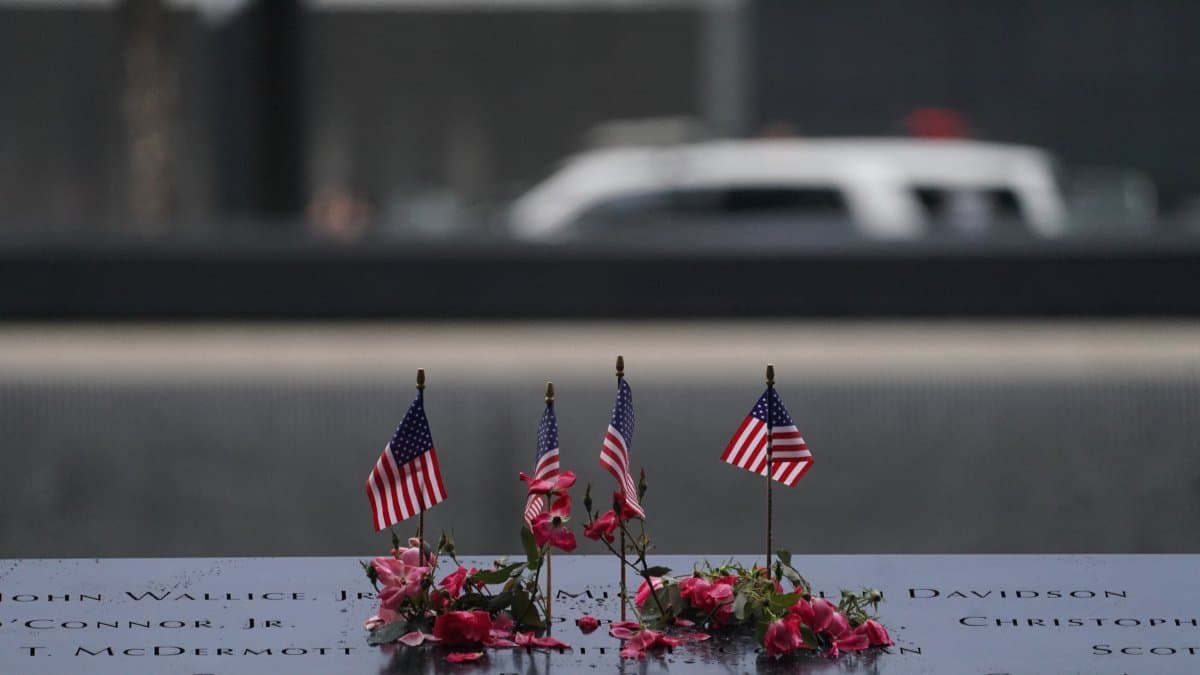

A quarter-century after the terrorist attack that forever altered the course of the United States and the entire world, the country's demographic landscape has undergone a profound transformation.
According to official data and estimates from the National September 11 Memorial & Museum, approximately 100 million Americans — representing nearly a third of the nation's current population —are too young to have any personal memory of what happened that morning in 2001.
This historic figure highlights a definitive generational shift: for tens of millions of young people belonging to Generations Z and Alpha, the collapse of the Twin Towers, the crash into the Pentagon and the heroic sacrifice of Flight 93 in Pennsylvania are merely memories experienced through screens and events that belong strictly to textbooks, documentaries and the internet.
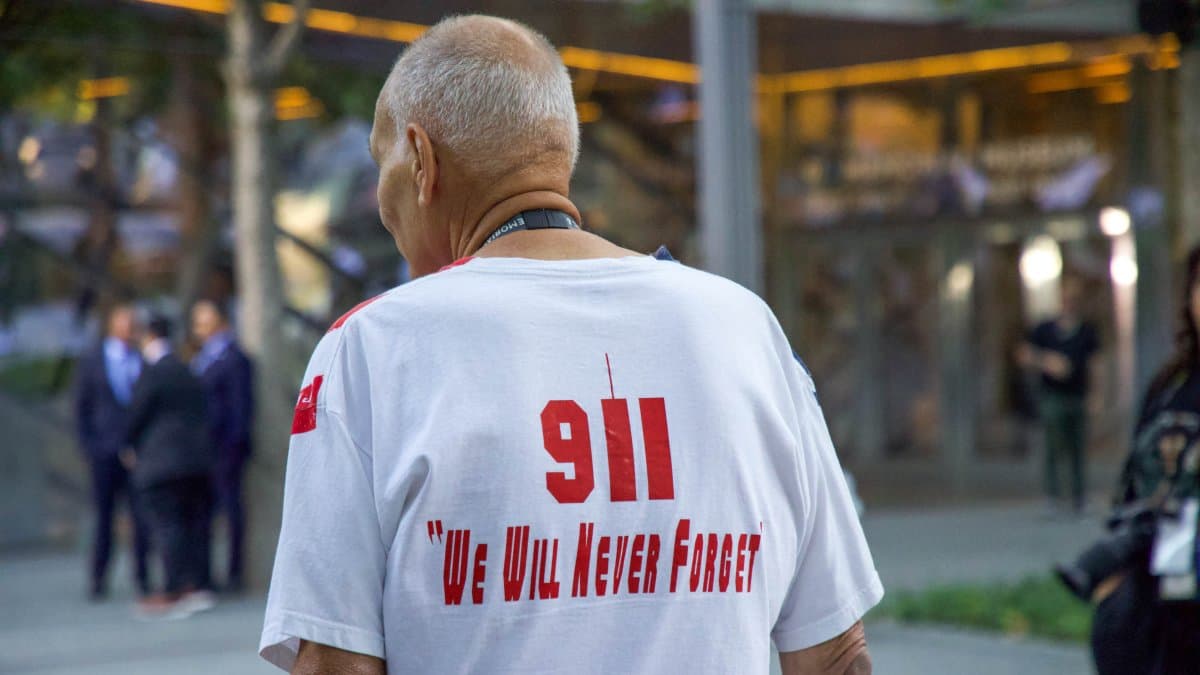
The challenge of conveying "never forget" to a new era
The promise to "never forget," embraced by American society in the wake of the tragedy, now faces its most complex challenge from an educational and cultural perspective. The passage of time threatens to dilute the significance of the event, turning an open wound into a mere date on the civic calendar.
For this reason, the institutional work of the memorial in Lower Manhattan has focused on renewing the narratives to connect with an audience that did not witness the attack on home soil.
The main objective lies not only in teaching the chronology of the attack or the magnitude of the human losses, but in preserving the stories of heroism, acts of selfless solidarity and the deep sense of patriotism and social cohesion that united the country during the weeks following the crisis.
Civic education, community values and national resilience
To reach this massive segment of society, institutions have directed their resources toward modernizing school curricula and developing digital initiatives that allow students across the country to explore the historical archive of survivors, rescue teams and the families of the victims.
Twenty-five years later, preserving the historical memory of Sept. 11 is more than an exercise in nostalgia or collective mourning. It is an indispensable element for strengthening civic values and national identity.
Ensuring that new generations understand the price of freedom, the demands of national security and the importance of unity in the face of external threats remains the country's greatest educational responsibility as it looks to the future.
Politics
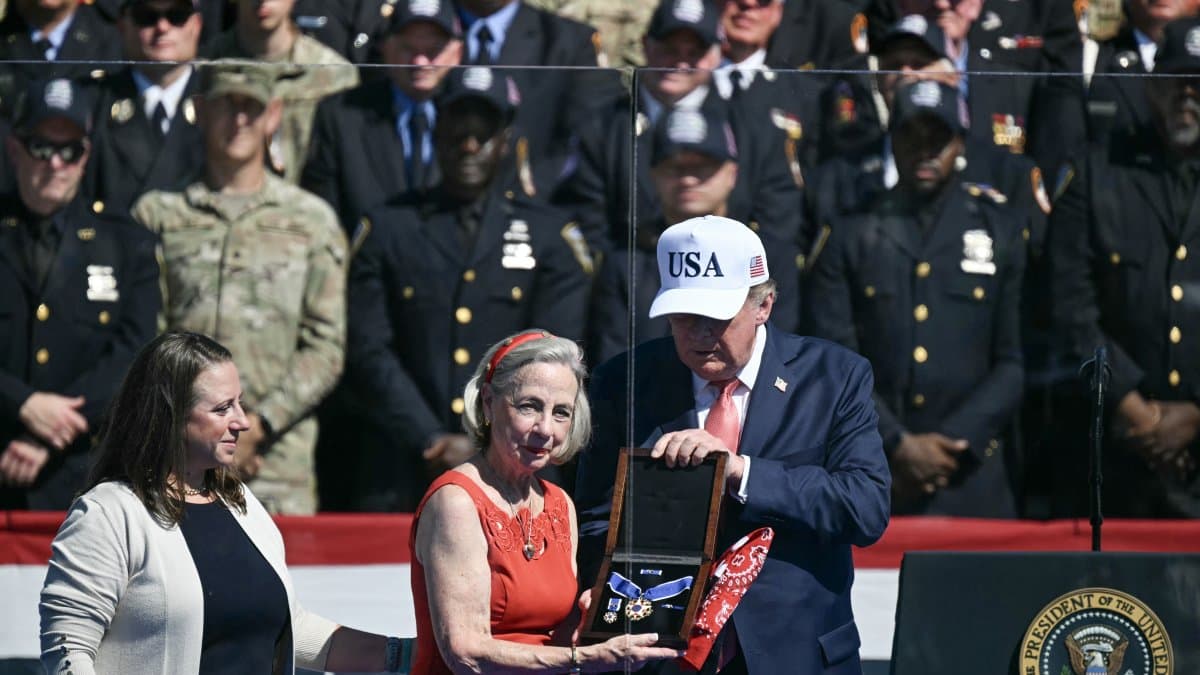
25 years later, Trump honors 9/11 hero who returned to the South Tower to save lives
Joaquín Núñez
🛠 Do you think there is an error in this article?
Recommendations




LATEST