ANALYSIS
Texas floods: One of the deadliest natural disasters so far this century
At last count, at least 100 people have died, including children, and more are still missing.
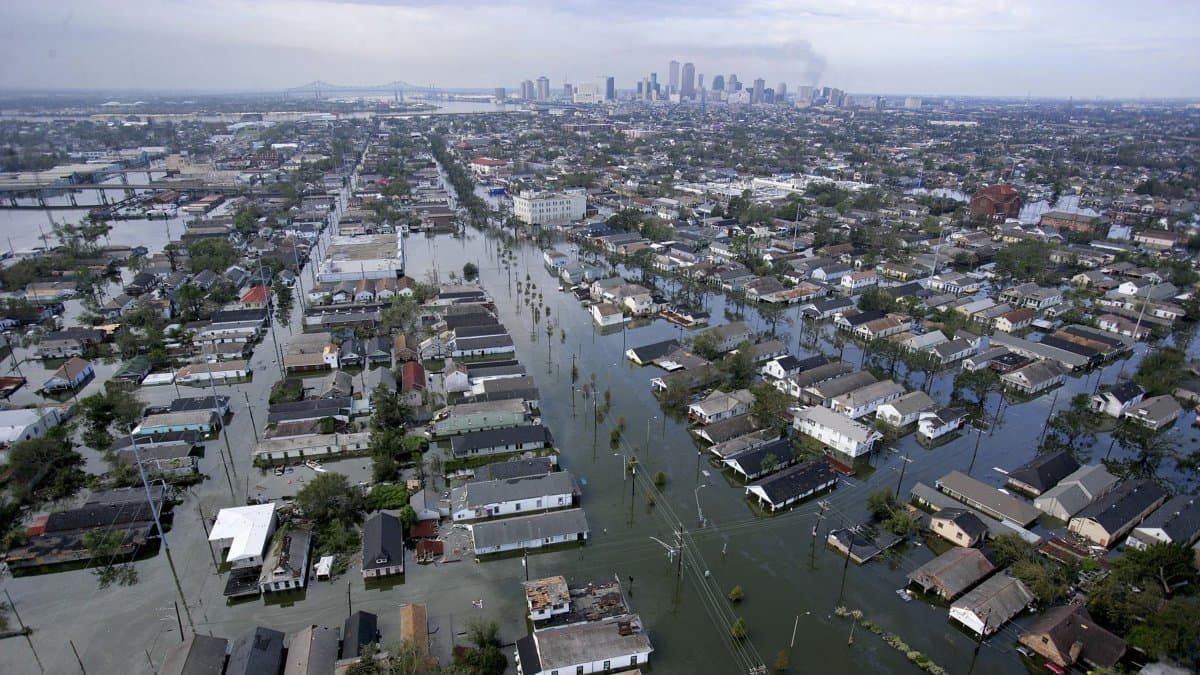

On Aug. 23, 2005, the force of nature erupted from the Atlantic Ocean with unrelenting ferocity. On that day, Hurricane Katrina made landfall, entering Louisiana and moving toward Mississippi, Alabama, Georgia and Florida. It brought wind gusts of more than 175 miles per hour, deafening thunderstorms, tornadoes and intense rainfall that resulted in heavy flooding. It became the deadliest natural catastrophe of the 21st century, with a death toll of over 1,800, in addition to the incalculable structural damage, with homes and infrastructure completely collapsed and roads inaccessible.
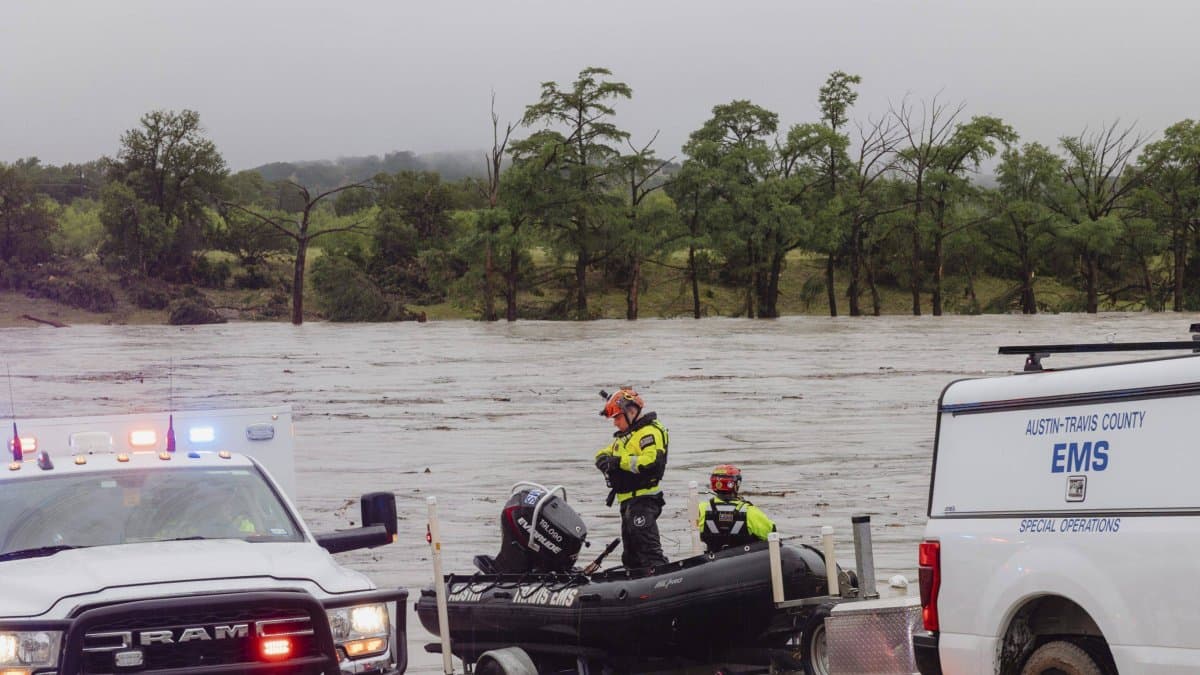
Since then, nature has continued to cause devastating human tragedies. The latest incident was the floods in Texas, resulting from heavy rainfall over Fourth of July weekend. To date, the death toll has exceeded 100. The toll is even more dramatic knowing that many of the victims were children who were attending the Camp Mystic summer camp in Kerr County and did not survive.
The children are still missing, and emergency services are working around the clock to find them, if possible alive, without giving up hope. However, while authorities remain on the ground carrying out search and rescue work, it can already be said that the Texas floods are one of the worst natural tragedies of the last two decades.
Hurricanes: Katrina, Helene, Sandy, Ian, ...
Since Hurricane Katrina devastated everything in its path in August 2005, there have been several natural disasters, mainly hurricanes, that have occurred and have left a considerable number of human casualties and structural damage.
According to a report by the National Weather Service (NWS) on its website, Hurricane Katrina became "a large and extremely powerful hurricane that caused enormous destruction and significant loss of life". In total, there were 1,833 dead and some $108 billion in estimated damages.
Last year, the National Oceanic and Atmospheric Administration (NOAA) issued a series of warnings in southeastern states for the arrival of Hurricane Helene. On Sept. 26, the natural phenomenon made landfall in Florida and, with an upward trajectory, destroyed everything in its path. Up to seven states were affected, namely Georgia, South Carolina, North Carolina, Tennessee, Virginia and Indiana, in addition to Florida. Authorities confirmed the deaths of 250 people and estimated damages of $78.7 billion.
Almost 13 years ago, Hurricane Sandy, commonly known as "Superstorm Sandy," reached the country after traveling from its point of origin, the Central Caribbean area, and hitting countries such as Jamaica, Cuba and the Bahamas. Its point of entry into U.S. territory was Atlantic City, N.J., on the night of Oct. 29, 2012. Official data collected in a report from the National Hurricane Center (NHC) reflects that there were 147 deaths and it caused $50 billion in economic losses.
Near the end of September 2022, at least 156 people had died and destruction was valued at about $112.9 billion was recorded due to Hurricane Ian, which left heavy rainfall, flooding, wind gusts and tornadoes in Florida, South Carolina, North Carolina and Virginia. Considerable damage also occurred in Jamaica and Cuba, where five people lost their lives. It was in Florida where most of the casualties occurred, the NHC reported.
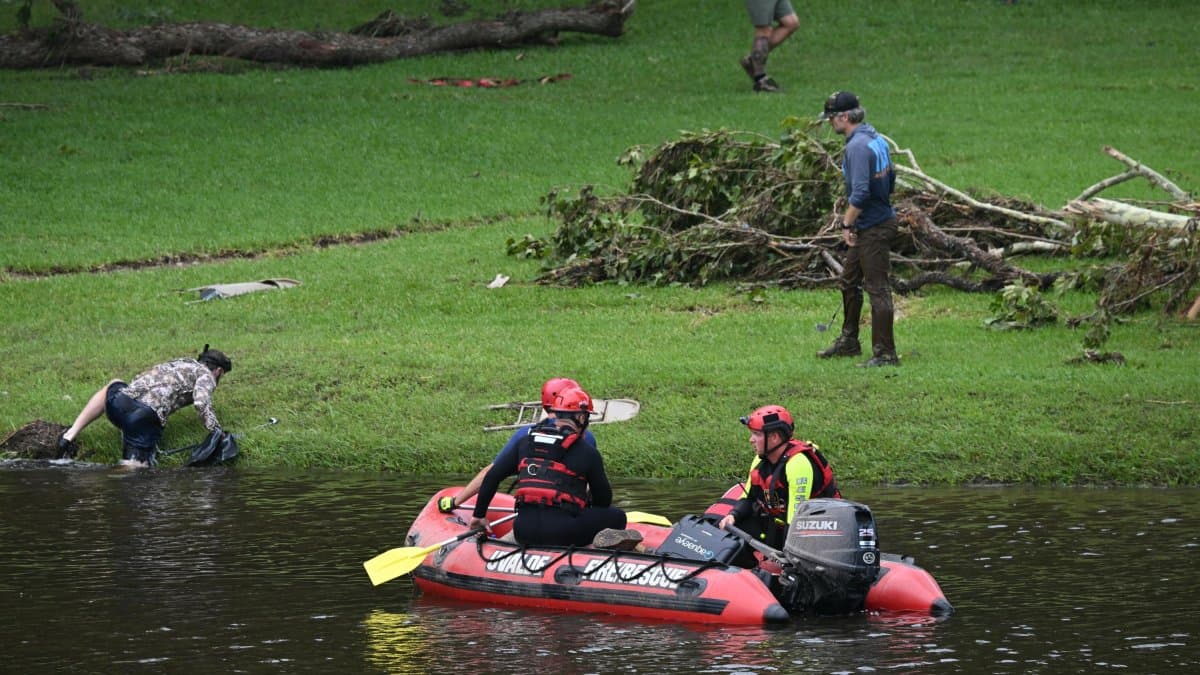
In August 2017, Hurricane Harvey devastated many communities in Texas, primarily around the Houston metropolitan area, with winds of about 130 miles per hour and flooding up to 50 inches high. It also affected parts of Louisiana. The National Environmental Satellite, Data and Information Service (NESDIS), part of the NOAA, reported in an analysis published seven years later that the hurricane killed 89 people, in addition to causing $158.8 billion in damage.
Other hurricanes since 2005 such as Gustav, Irma, Ida and Maria also left deaths and significant structural damage, but to a lesser extent.
Tornadoes: The April 2011 outbreak and Joplin
Hurricanes are not the only natural phenomena that have left a long list of catastrophes and human losses. Tornadoes are another culprit, namely the outbreak that occurred between April 25 and 28, 2011.
In that four-day period, more than 200 tornadoes violently struck southeastern states, such as Tennessee, South Carolina, North Carolina and Georgia. The total death toll was 324, in addition to the thousands of injuries. April 27 was the deadliest and most dangerous day, with 316 deaths and four Category 5 tornadoes recorded, according to a report by NOAA's National Severe Storms Laboratory (NSSL).

A month later, on May 22, 2011, a Category 5 tornado destroyed much of the city of Joplin, Mo. Some 158 people lost their lives. It is the deadliest tornado since 1950, when the so-called "Tri-State Tornado" killed 695 people residing in Montana, Illinois and Indiana.
Flooding in Kentucky and Tennessee
In addition to those in Texas, deadly floods have occurred in recent years, but with lower death tolls. In August 2021, Tennessee Gov. Bill Lee had to approve a major disaster declaration for heavy rainfall and flooding in Humphreys County. The floods left a toll of 20 dead, along with countless damage to nature and infrastructure.
Nearly a year later, in late July 2022, 39 people died, per NWS data, in eastern Kentucky and central Appalachia as a result of heavy rainfall, which was accompanied by thunderstorms. Flooding washed away everything in its path.
Winter storm of 2021
Coinciding with Valentine's Day 2021 and the days before and after, a winter storm hit much of the country, as well as northern Mexico and southern Canada. The most affected state was Texas, where the NWS did not cease to issue warnings for the risks to which anyone would be exposed by blizzards and freezing temperatures. Some 300 deaths were counted. There were 246 people killed in Texas alone, the state administration revealed in a report. The cause of most of the deaths was multi-organ failure due to hypothermia.

Constant power outages further aggravated that situation.
Fires in California (2017) and Hawaii (2023)
Eight years ago, a wave of wildfires between April and December scorched more than 1.5 million acres, leading to the deaths of 47 people, including two firefighters, and the evacuation of thousands of residents across California. Specifically, there were 9,270 outbreaks, per a report by the California Department of Forestry and Fire Protection.
In 2023, wildfires razed more than 2,200 structures on the island of Maui, Hawaii. In addition, more than 100 people died, according to a report from the Fire Administration. The island recorded $5.5 billion in damage.
Other catastrophes caused by natural weather events
One of the most notable is the hurricane that hit the city of Galveston, Texas, in 1900, considered by the authorities to be "the deadliest natural disaster" in the history of the country. Between 8,000 and 12,000 people died, according to state authorities.
Another major disaster is the Great Flood of 1862. States in the west of the country, mainly Washington, Oregon and California, were affected by the floods, which left at least 4,000 victims.
The U.S. Geological Survey (USGS) reports that some 700 people perished in the 1906 San Francisco earthquake. It is estimated that the quake, which measured between 7.7 and 8.3 on the Richter scale and was felt in Los Angeles and other states such as Oregon, lasted between 45 and 60 seconds. The epicenter was located near San Francisco, on the San Andreas Fault.
🛠 Do you think there is an error in this article?
Recommendations





LATEST