ANALYSIS
Manhattan rents hit a record high of $6,655 as Mamdani's left-wing policies exacerbate the housing crisis
As supply drops to its lowest level since 1968, the socialist mayor's policies, the rent freeze and the new tax on second homes, are pushing demand even further into an already saturated free market.
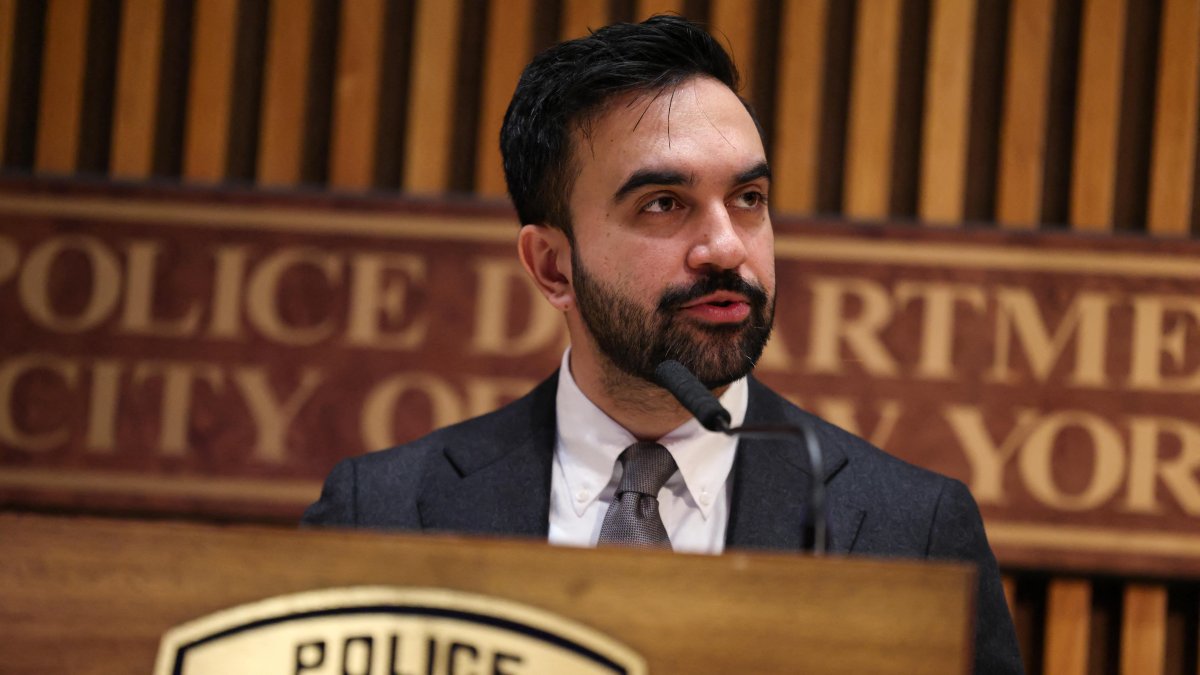
New York Mayor Zohran Mamdani. File photo

The average rent in Manhattan has reached an all-time high of $6,655 per month, according to data from Corcoran Sunshine Marketing Group published by the New York Post (NYP). The figure represents a 10% increase over last year and leaves tenants facing an increasingly suffocating market.
A market with no supply
The city's vacancy rate has plummeted to 1.49%, the lowest level since 1968. Any figure below 5% is already considered a landlord's market. At the same time, the median rent stands at $5,295, up 6% from July of last year.
Rents have risen across all housing types. Studio apartments average $4,088 (up 8%), one-bedroom units $5,486 (7%), two-bedroom units at $8,054 (13%) and three-bedroom units at $12,228 (12%). Studio apartments, single-family homes and duplexes have reached all-time highs.

Politics
Mamdani presses full speed ahead with his socialist agenda, stirring up growing discontent across New York
Emmanuel Alejandro Rondón
The impact of Mamdani's left-wing policies
Real estate agents point to measures implemented by Mayor Zohran Mamdani as one of the factors driving up prices. The upcoming rent freeze on rent-stabilized units, which will take effect on Oct. 1, and the new tax on second homes are reducing supply and pushing demand toward the unregulated market.
The New York City Rent Guidelines Board approved in June a rent freeze for approximately one million rent-stabilized apartments, one of Mamdani's key campaign promises. The measure will prevent any rent increases on one- and two-year leases. It affects about 40% of the city's rental housing stock This is the first time that rent increases on two-year leases have also been frozen.
Furthermore, the pied-à-terre tax, championed by the socialist mayor and approved in May, taxes second homes whose owners do not reside in New York on a regular basis. It applies to single-family homes valued at more than $5 million and to condos and co-ops valued at $1 million or more. The surcharge, which can reach 6.5% of the assessed value, aims to raise approximately $500 million annually and is in addition to regular property taxes.
Costs are passed on to the open market
Gary Malin, chief operating officer of The Corcoran Group, argues that laws such as the just cause for eviction, the FARE Act, and the 2019 rental regulations have limited the housing supply. "These laws have curtailed the supply of rental housing. This has caused demand to build up to a boiling point and pricing for available apartments to reach all-time highs," he said.
According to the NYP, Malin also warns that the freeze will not alleviate the situation for tenants in the unregulated market. "Landlords' costs will still go up regardless of the new rent freeze," he noted. And while the measure may benefit those with rent-stabilized apartments, "the bad news for market rate renters is that these increased expenses will likely be passed on to them" when it comes time to renew their leases.

Politics
Mamdani's first major fiscal setback: Judge blocks his tax on luxury homes in New York
Luis Francisco Orozco
The "perfect storm"
The FARE Act, which shifts agents' commissions to landlords, has also driven prices up. Many landlords have ended up factoring that cost into the monthly rent.
The result, according to Sanai, is an increasingly exhausted tenant: "The same apartment may now be listed for $500 to $1,000 more per month than it was just one year ago, so tenants often arrive disgruntled before the showing has even begun."
Mamdani: Promises vs. Reality
LATEST