Trump meets with Chevron and ExxonMobil to discuss Venezuela
The meeting comes as the White House seeks to stabilize global energy markets.
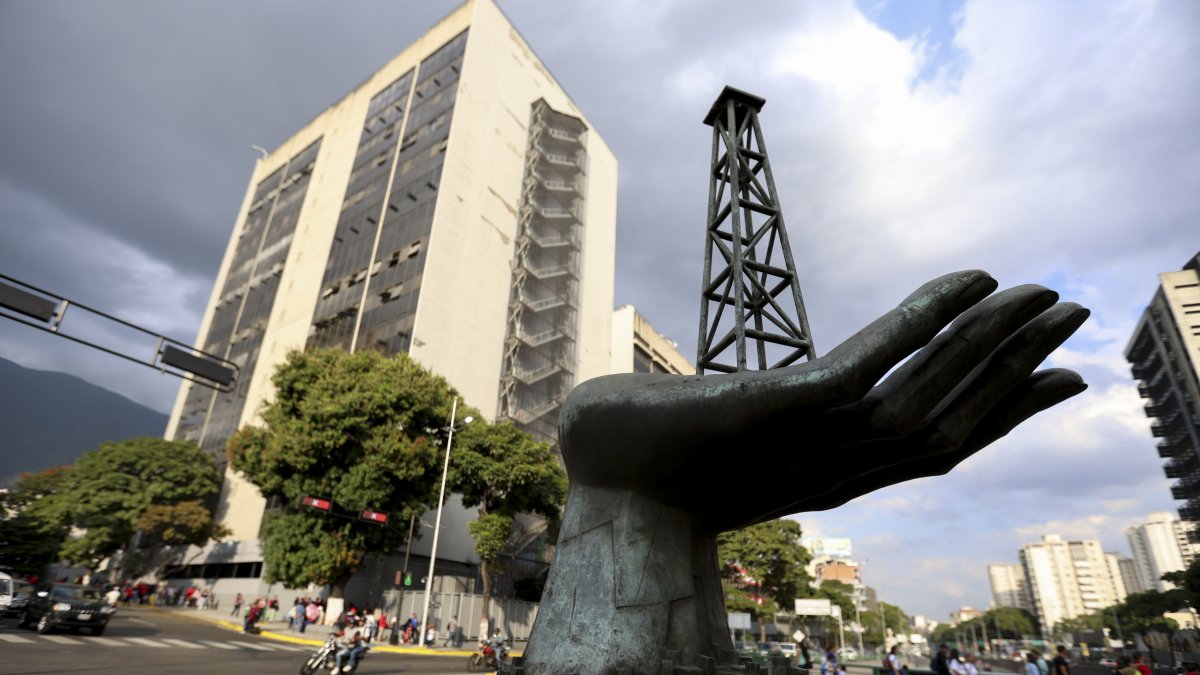
An oil-themed sculpture in Caracas.

President Donald Trump confirmed on Wednesday that he held a high-level meeting with the top executives of Chevron and ExxonMobil on Tuesday.
According to statements made by the president to the press, the central focus of the talks was the situation in Venezuela, at a time when the White House seeks to stabilize global energy markets.
"It's been a great thing for Venezuela. People are really happy. They're dancing in the streets because there's a lot of money coming in through the big oil companies that are moving in there," the president said.
"I was with ExxonMobil last night. The president of the company was here. And we were talking about Venezuela, along with many others. Chevron was all here last night. They all want to go there and other places," he added.
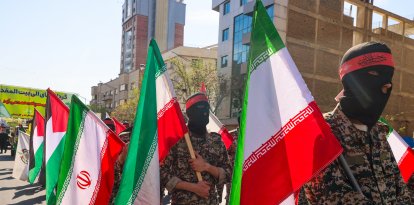
This meeting comes in the midst of one of the deepest energy crises in decades. The conflict in Iran has severely affected production in the Gulf and affected refining operations in the Middle East, causing a supply shock that has sent the price of crude oil soaring to $126 a barrel.
For the Trump administration, Venezuela represents a key strategic pointin terms of both national security and oil supply.
After four months of what the U.S. diplomatic team has described asa "new stage" towards democratic transition in the South American country, the White House seeks to coordinate efforts with U.S. "supermajors" that still maintain interests or infrastructure in the region.
The government's objective is to ensure that any flow of resources into the Venezuelan industry is legitimate and, at the same time, to seek alternatives that would allow to alleviate the pressureon domestic prices in the United States.
With gasoline surpassing $4 per gallon, the president faces the challenge of fulfilling his campaign promise to bring prices below $2.
Tension between the White House and the oil companies.
Despite calls from the Executive to increase domestic production, especially in the Permian Basin, the oil giants have been cautious, prioritizing financial profitability over immediate extraction volume.
Neil Hansen, Exxon's chief financial officer, pointed out to the Financial Times a few days ago that there has been "no change" in the company's strategy:
"There's really no need for us to increase the pace because we're already on it; we're already in high gear," he said.
For her part, Chevron finance chief Eimear Bonner was blunt in stating that the company's plans stand firm despite the current volatility.
"The crisis has not caused any change in any of our plans. Our strategy is to increase free cash flow, not to increase production," he assured.
Although both companies have reported record refining rates to take advantage of high diesel prices, the reluctance to drill more aggressively in U.S. territory keeps a simmering tension with the Trump administration's energy independence goals.
Tuesday's meeting suggests an attempt by the White House to align corporate interests with the geopolitical urgency dictated by Venezuela and the conflict in the Middle East.
LATEST