US to resume imports of Mexican cattle after one-year suspension due to New World screwworm
The first port of entry to be reopened will be Douglas, Ariz., starting Aug. 24, 2026.
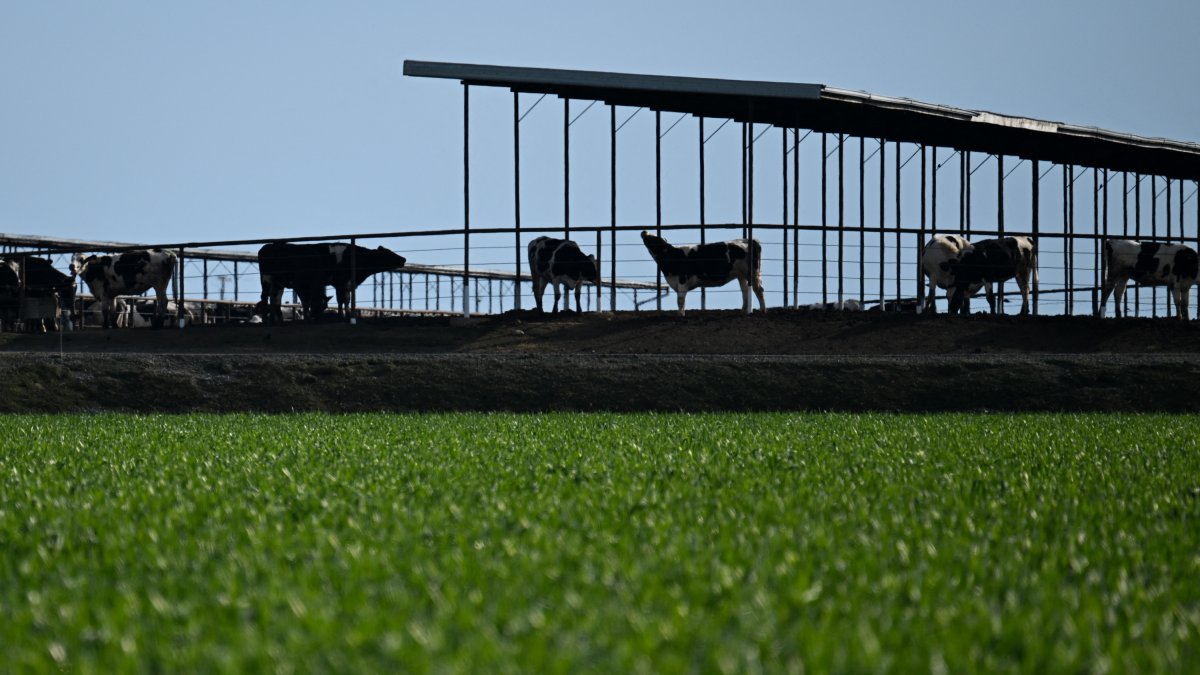
Cattle on a California farm—File photo

The U.S. Department of Agriculture (USDA) announced Friday that it will soon resume imports of cattle from Mexico, more than a year after suspending them due to the presence of the New World screwworm. The first port of entry to be reopened will be Douglas, Ariz., effective Aug. 24, 2026.
This pest, caused by a fly whose larvae feed on living tissue, causes serious and potentially fatal wounds in animals. Washington had halted imports in May 2025 in response to the insect's spread and after questioning Mexico's strategy to control it.

Society
Tests with genetically modified flies being accelerated to quash parasite threatening livestock
Diane Hernández
Gradual reopening and strict border controls
According to the USDA, other ports of entry will reopen gradually, provided that Mexico complies with the Joint Action Plan agreed upon by both countries. All cattle crossing the border will undergo a thorough inspection to verify that they show no signs of the pest.
"Every animal entering the United States through these ports will undergo a full USDA inspection to ensure it is free of any signs of New World screwworm," the Department of Agriculture stated.

Economy
The White House spoke with Walmart, Kroger, and Albertsons: It aims to lower the price of beef
Emmanuel Alejandro Rondón
Sheinbaum celebrates the reopening, highlights collaboration with U.S.
Mexican President Claudia Sheinbaum called the decision "great news" for the country's cattle ranchers and emphasized bilateral cooperation in the fight against the insect.
Although she had previously criticized U.S. restrictions, she spearheaded a joint project that included the construction of a sterile fly facility in Chiapas, which was inaugurated last year alongside U.S. Secretary of Agriculture Brooke Rollins.
From eradication to resurgence: The long history of the New World screwworm
Mexico had succeeded in eradicating the pest in 1991, but detected it again in 2024. That same year, it exported just over 1 million head of cattle to the U.S., according to official figures from both governments cited by AFP.
LATEST