Dissident Republicans defy Trump and push for Russia sanctions, new Ukraine aid in House
Republicans Don Bacon (NE), Brian Fitzpatrick (Penn.), Mike Lawler (NY), Michael McCaul (TX), Max Miller (OH) and Joe Wilson (SC), along with Independent Kevin Kiley (CA) - who usually votes with Republicans on the floor - crossed party lines to support the measure.
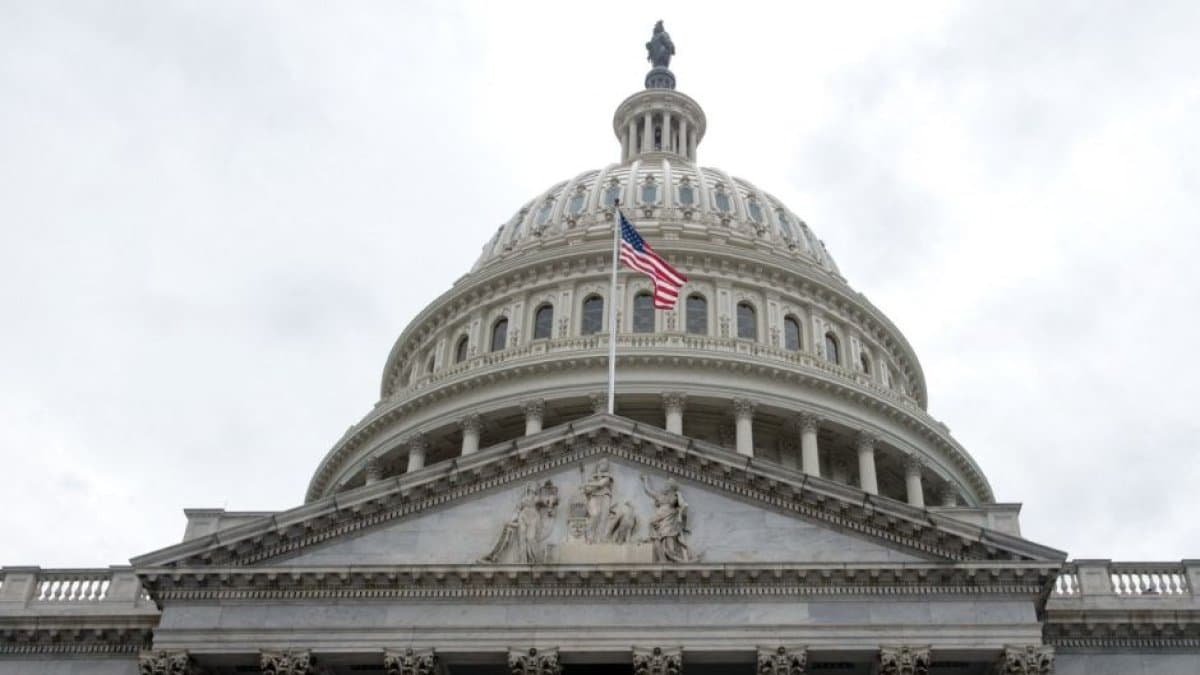

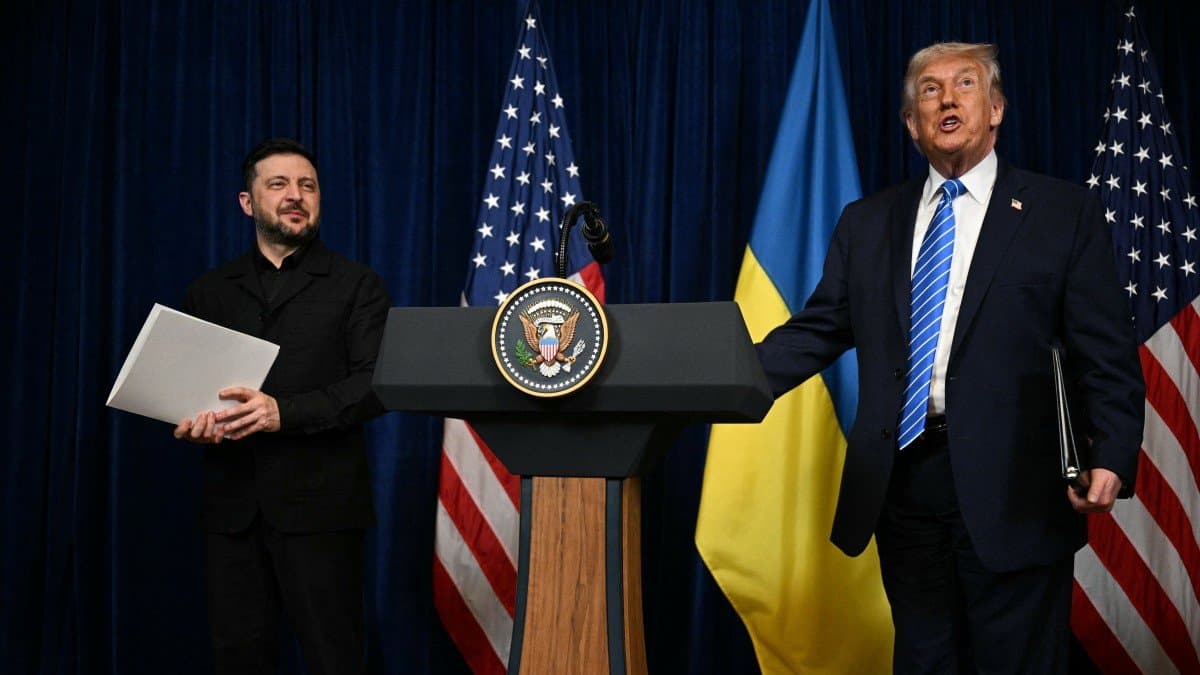
A group of dissident Republicans joined Democrats in the House of Representatives on Wednesday to force through a bill that seeks to impose new sanctions against Russia and earmark additional aid for Ukraine amid the ongoing war. The measure, which came on the same day the House voted to limit President Donald Trump's war powers in Iran, is another open challenge against the Republican leader by some lawmakers in his own party.
The vote, 218-204, does not pass the legislation definitively, but brings it to the floor for debate. Republicans Don Bacon (NE), Brian Fitzpatrick (Penn.), Mike Lawler (NY), Michael McCaul (TX), Max Miller (OH) and Joe Wilson (SC), along with independent Kevin Kiley (CA)—who usually votes with Republicans on the floor—crossed party lines to back the measure, ignoring opposition from Republican leadership and signals from The White House that Trump could veto it if it reaches his desk.
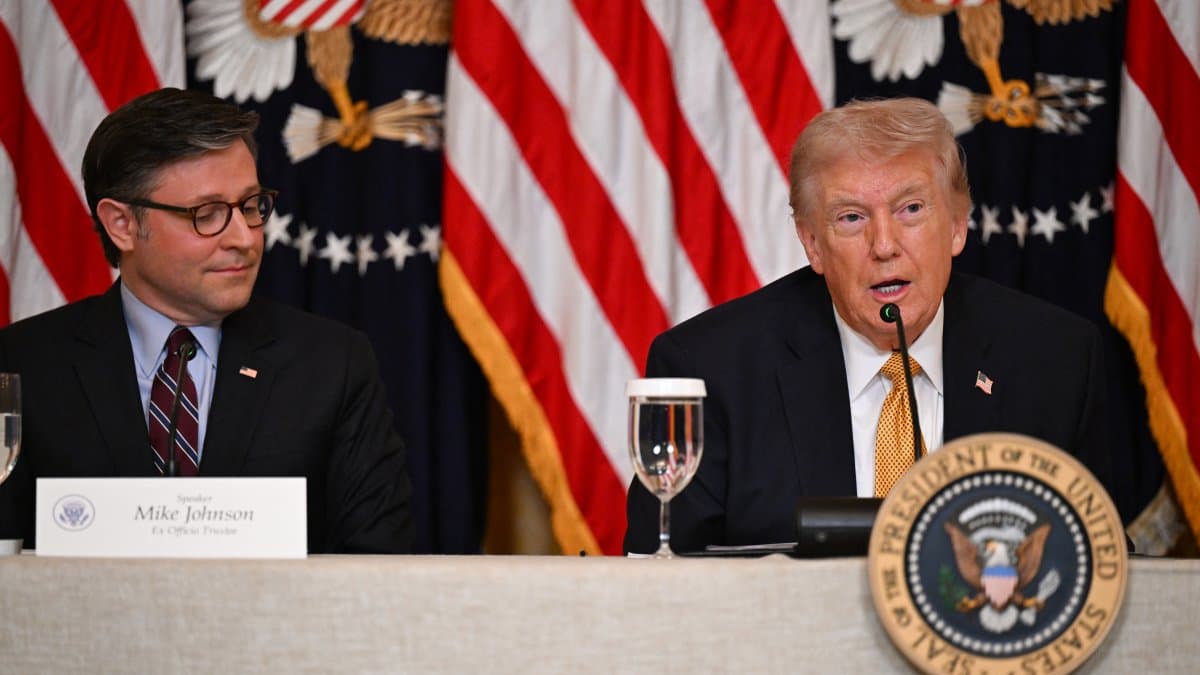
Politics
Four Republicans break ranks, House votes to limit Trump's Iran war powers
Emmanuel Alejandro Rondón
The centerpiece of the bill is a sanctions package targeting the Russian oil and gas sector, the Kremlin's main source of revenue for funding the war. The legislation would also expand restrictions on banks and financial institutions that operate with sanctioned Russian entities, and would target governments and companies in China, Central Asia and other regions that have helped Moscow circumvent Western restrictions. It would also eliminate a sanctions waiver that Trump himself approved earlier this year. On aid, the bill would authorize about $1.8 billion in direct spending and more than $8 billion in loans for Ukraine.
The bill had been stalled for more than a year after Republican leaders on the Foreign Relations Committee blocked its consideration. To get around it, Democratic Rep. Gregory Meeks of New York resorted to a discharge petition, a mechanism that allows rank-and-file lawmakers to force a bill to the floor if it gathers majority support. The necessary signatures were completed last month.
Despite the progress, the bill still must overcome divisions in the Senate and possible opposition from the White House before becoming law.
🛠 Do you think there is an error in this article?
Recommendations





LATEST