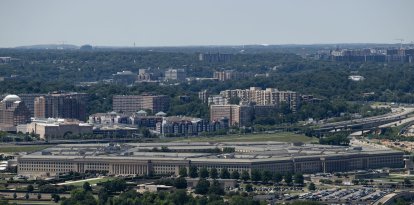
Hegseth effectively restricts Pentagon personnel from communicating with Congress without prior authorization
The order to interact with the legislative branch is clear: channel "effective immediately" any démarche through the Office of Legislative Affairs.

Pete Hegseth at the Pentagon in a file image

Pentagon chief Pete Hegseth practically cut off de facto all interactions between Pentagon staff and Congressexcept upon prior authorization or channeling through the official channel of the Department of War (DoW).
According to a five-page internal memo obtained by NBC News, dated Oct. 15 and signed by the secretary of war and deputy undersecretary Steve Feinberg, except for the inspector general's office, all personnel must obtain prior authorization to communicate with lawmakers, aides and other elected officials.
The order to interact with the legislative branch is clear:channel with immediate effect any demarche through the Office of Legislative Affairs.

The instruction—the authenticity of which was confirmed by a DoW official to NBC—reaches even to the chairman of the Joint Chiefs of Staff.
The text directly directs staff to coordinate all legislative affairs activities through the appropriate office and warns, "Unauthorized engagements with Congress by DoW personnel acting in their official capacity, no matter how well-intentioned, may undermine Department-wide priorities critical to achieving our legislative objectives."
Pentagon chiefs explain that the directive aims to achieve DoW legislative objectives.

Society
El Pentágono enfrenta una rebelión de los principales medios por sus nuevas normas de prensa
Diane Hernández
The change largely breaks with common practice, where numerous agencies autonomously manage their ties with Congress. The memo further subscribes to a broader strategy of message centralization that Hegseth has pushed from the Pentagon.
Last week, dozens of reporters returned their credentials and left the Pentagon building after most media outlets refused to sign restrictions that, they charged, threatened consequences for those who published information not pre-approved by the Secretary of War, even if it was not classified.
So far, five major networks have already announced that they will not subscribe to the new press policy.
Reactions from Congress did not take long. Sen. Jack Reed (D-Rhode Island), his party's ranking member on the Senate Armed Services Committee, accused Hegseth and his staff of being afraid of "the truth" and called the memo "symptomatic" of "the paranoia that is emanating from the Defense Department."
"We don’t want any lawyers, we don’t want any press, we don’t want anybody from Congress," he said wryly. "And you know, and as a result, I think they’re, they’re positioning themselves— we do what we want, no one checks us. The press doesn’t, Congress doesn’t, the courts, well, that’ll be a few years from now. So it’s a disparaging development."
For his part, the committee's chairman, Roger Wicker (R-Mississippi), has not weighed in on the memo.
LATEST