Pentagon faces backlash from major media over new press rules
The agreement commits reporters to comply with the institution's rules regarding the handling of information not officially authorized for release.
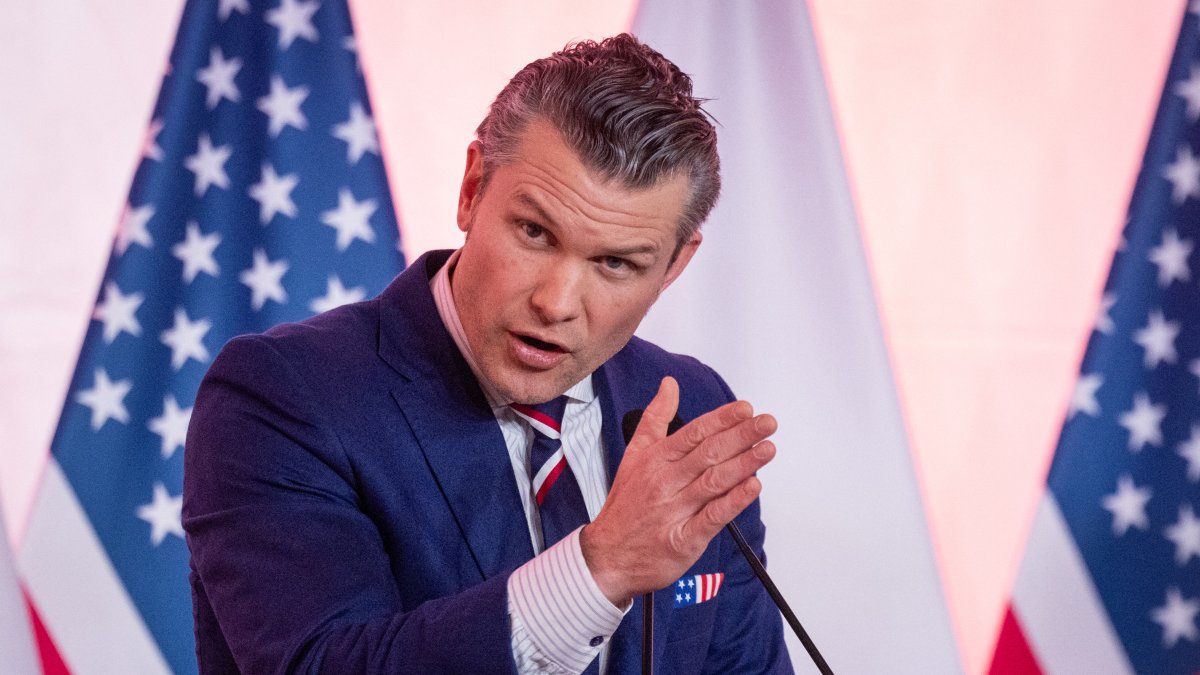
Secretary of War Pete Hegseth

Numerous media outlets have expressed their rejection of the new press rules announced by the War Department, arguing that they could restrict the freedom of journalists to report on military and national security matters.
The disagreement stems from a new pledge that the Pentagon is asking journalists to sign as a condition of maintaining their press credentials. The document commits reporters to comply with the institution's rules regarding the handling of information not officially authorized for release.
Broad rejection in the media sector
So far, media outlets such as The Washington Post, The New York Times, The Wall Street Journal, Reuters, NPR, The Guardian, The Atlantic and Axios have announced that they will not sign the pledge. They are also joined by two other newsrooms: Newsmax and The Washington Times.
Press freedom groups, including the Pentagon Press Association, have warned that the new rules appear to be "designed to stifle the free press and potentially expose us to prosecution simply for doing our jobs."
Politics
Pentagon loosened its restrictions on the press after weeks of negotiations
Luis Francisco Orozco
The Pentagon's stance
Defense Secretary Pete Hegseth defended the measures by noting that "access to the Pentagon is a privilege, not a right," he wrote on his X profile.
According to the Defense Department, the new rules seek to ensure that accredited journalists meet standards of confidentiality and security in handling sensitive information.
The Pentagon introduced the rules last month and, after several weeks of negotiations with press associations, made some adjustments. Among them, it clarified that journalists are not required to send their texts to the department before publication. However, he warned that they could lose their credentials if they do not sign the commitment before the deadline.
Media reactions
- The Washington Post called the restrictions a threat to First Amendment protections.
- The Atlantic argued that the requirements "violate the constitutional rights of journalists and citizens seeking to know how public resources are spent."
- The Guardian deemed the policy imposes "unacceptable restrictions on activities protected by the First Amendment."
- Reuters and NPR warned that the rules erode the principles of independence and trust that underpin journalism.
- The New York Times emphasized that the public "has a right to know how the government and the military operate," and that the new rules could limit that oversight function.
An unusual precedent
This is not the first time that media from different ideological spectrums have agreed in defense of press freedom. In February, Newsmax and Fox News co-signed a letter to the White House requesting that the ban against journalists from Associated Press be lifted.
The current debate is part of a broader context of changes in Pentagon communications policy. In recent months, the War Department has reorganized its accreditation and slotting system, replacing several traditional newsrooms with conservative outlets under a rotation system.
So far, only one media outlet - conservative television network One America News (OAN) - has indicated a willingness to sign on to the proposed compromise.
LATEST