House passes bill to deport immigrants over public benefits fraud despite Democratic opposition
"If you admit to or you’re convicted of fraudulently receiving public benefits, you are out of here on the next plane and can never return," said Rep. Tom McClintock, R-Calif.
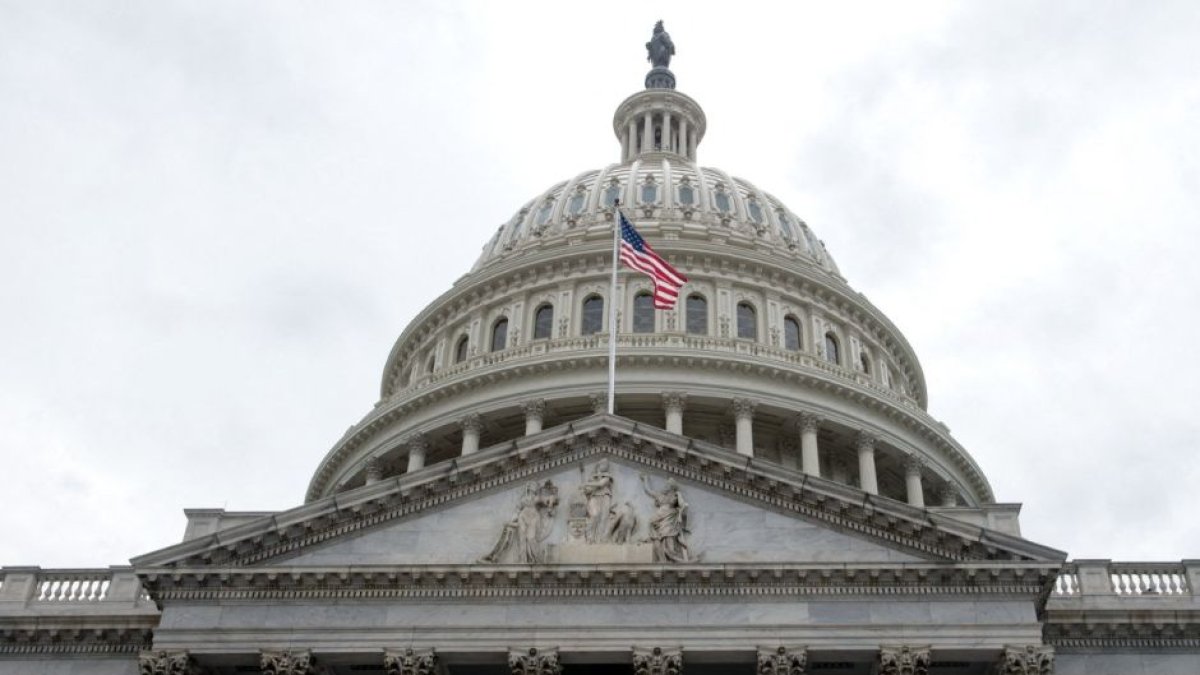
The U.S. Capitol in Washington, DC.

The House of Representatives passed a bill Wednesday that seeks to deport immigrants involved in welfare fraud in a vote marked again by partisan division and strong opposition from the Democratic Party.
The initiative, called the Deport Fraudsters Act, was sponsored by Rep. David Taylor (R-OH) and proposes to amend existing immigration law to explicitly include public benefits fraud as a direct cause for deportation. The bill passed with 231 votes in favor and 186 against, the latter mostly Democrats.
"If you admit to or you’re convicted of fraudulently receiving public benefits, you are out of here on the next plane and can never return," said Rep. Tom McClintock, R-California, on Wednesday during debate on the House floor.

Society
DHS pushes $915 million plan to encourage self-deportation for illegal immigrants
Williams Perdomo

Republican lawmakers argue that the "common sense" measure aims to prevent the misuse of public funds by non-citizens, preventing the misuse of taxpayer money and fraud on the federal government.
However, different Democratic legislators questioned the need for the bill since current laws already provide for deportation in cases of fraud. In addition, they warned that the proposal could violate due process guarantees by allowing the deportation of people without a final judicial conviction.
"Another week, another redundant and completely unnecessary immigration crime bill," Rep. Jamie Raskin, a Democrat from Maryland, said on the floor. "By bypassing the conviction requirement, this legislation would hand a liberal get-out-of-jail free card to immigrants who commit fraud by deporting them without going through the criminal justice system and giving their victims a day in court."
Despite passing by more than 40 votes in the House, the bill now faces an uncertain outlook in the Senate, where it requires a qualified majority to advance and where Democratic opposition could block its treatment.
The vote takes place in a scenario of attention on different cases of fraud in social programs in several states, which has prompted Republicans to promote stricter reforms in immigration and control of public spending.
LATEST