






Health Secretary Robert F. Kennedy Jr. faces Democratic questioning at Senate hearing
The session, marked by heated confrontations, revolved around their positions on vaccines, CDC restructuring, management of the COVID-19 pandemic, lingering COVID, and the MAHA agenda.
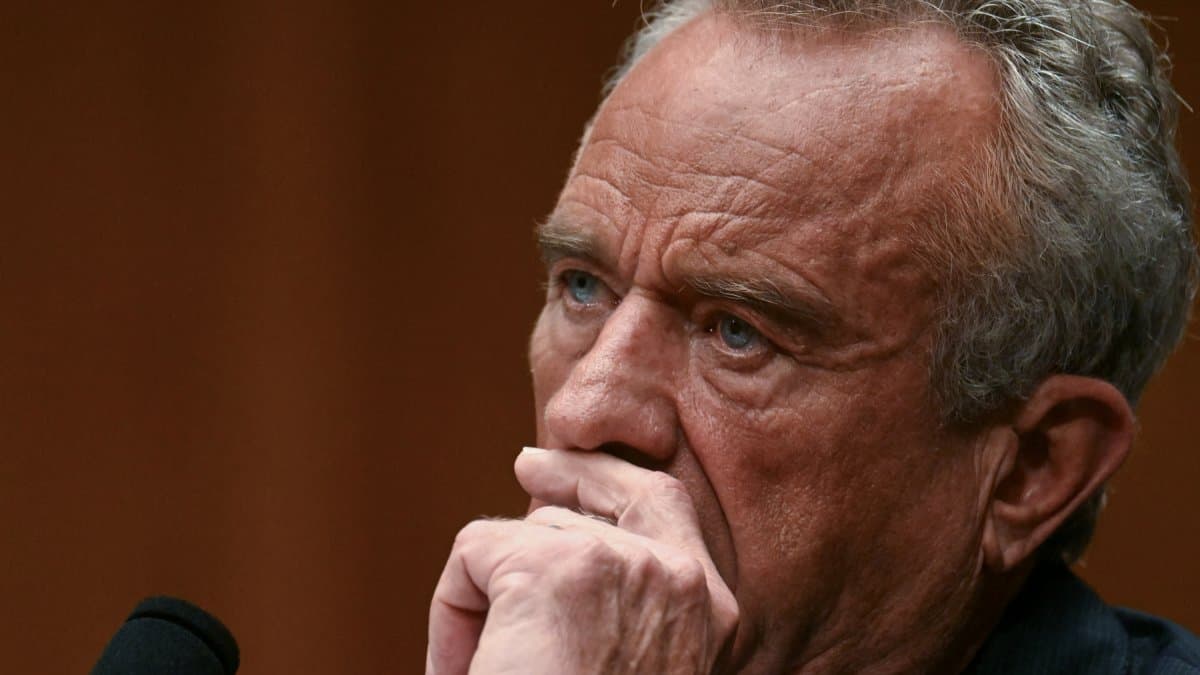

This Thursday, U.S. Health and Human Services Secretary Robert F. Kennedy Jr. faced intense questioning by Democrats during a three-hour hearing before the Senate Finance Committee.
The session, marked by heated confrontations, revolved around his positions on vaccines, the restructuring of the Centers for Disease Control (CDC) and management of the COVID-19 pandemic, lingering COVID and his overall health agenda regarding MAHA (Make America Healthy Again).
On vaccines and the dismantling of the immunization system
Senator Ron Wyden (D-Oregon) opened the hearing with strong criticism, accusing Kennedy of fueling distrust in the health care system and "elevated conspiracy theorists, crackpots and grifters” to make crucial health care decisions. Wyden asserted that it had "been obvious from the start that Robert Kennedy's primary interest is to take vaccines away from Americans" and that his agenda "has not focused on choices and information for families."
He further noted that Kennedy "threatened doctors that deviated from the new anti-science vaccines guidelines he released that make it harder for pregnant women and children to get the COVID vaccine."
Politics
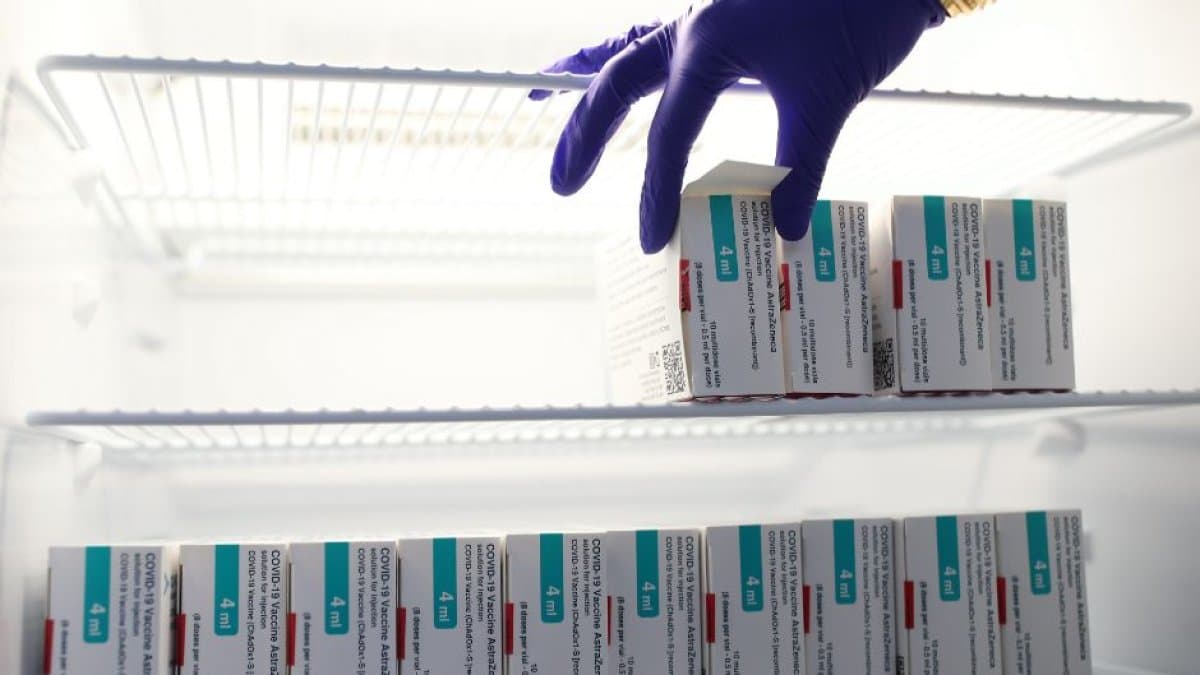
US stops recommending COVID-19 vaccines for healthy children and pregnant women
Agustina Blanco
For her part, Senator Maria Cantwell (D-Washington) called Kennedy a "charlatan" for his stance on mRNA vaccines, stating that "the mRNA technology is about continuing the research to be ready for the next flu, influenza, the next pandemic," Cantwell showed a graph that she claimed demonstrated how vaccines have eliminated disease, accusing Kennedy of not supporting that evidence.
Similarly, Senator John Barrasso (R-Wyoming), also a physician, expressed being "deeply concerned" by Kennedy's approach, citing measles outbreaks and the questioning of mRNA vaccines by National Institutes of Health (NIH) leaders.
Kennedy defended the restructuring of the Advisory Committee on Immunization Practices (ACIP), which in June fired its 17 members and replaced them with eight selected by him. He further assured that the new recommendations would be "clear, evidence-based and trustworthy.” He said, "we're going to tell them what we know, we're going to tell them what we don't know, and we're going to tell them what we're researching and how we're doing it and we're going to be transparent."
In response to Senator Michael Bennet (D-Colorado), who questioned whether parents will continue to have free access to vaccines such as MMRV (measles, mumps, rubella and varicella) following the panel's new recommendations, Kennedy said, "I assume they will be" insisting that "parents should be free to.”
In an intense exchange with Senator Elizabeth Warren (D-Massachusetts), Kennedy denied restricting access to COVID-19 vaccines, asserting that "most Americans will be able to get it from their pharmacy for free." However, Warren noted that the new HHS guidelines, which require CDC approval, have led chains such as CVS and Walgreens to require prescriptions or not offer the vaccine in some states.
On CDC layoffs
Several senators questioned the dismissal of former CDC Director Susan Monarez and the mass resignations of top officials. Wyden cited an op-ed by Monarez in The Wall Street Journal, where she claimed Kennedy asked her to “preapprove the recommendations of a vaccine advisory panel newly filled with people who have publicly expressed antivaccine rhetoric."
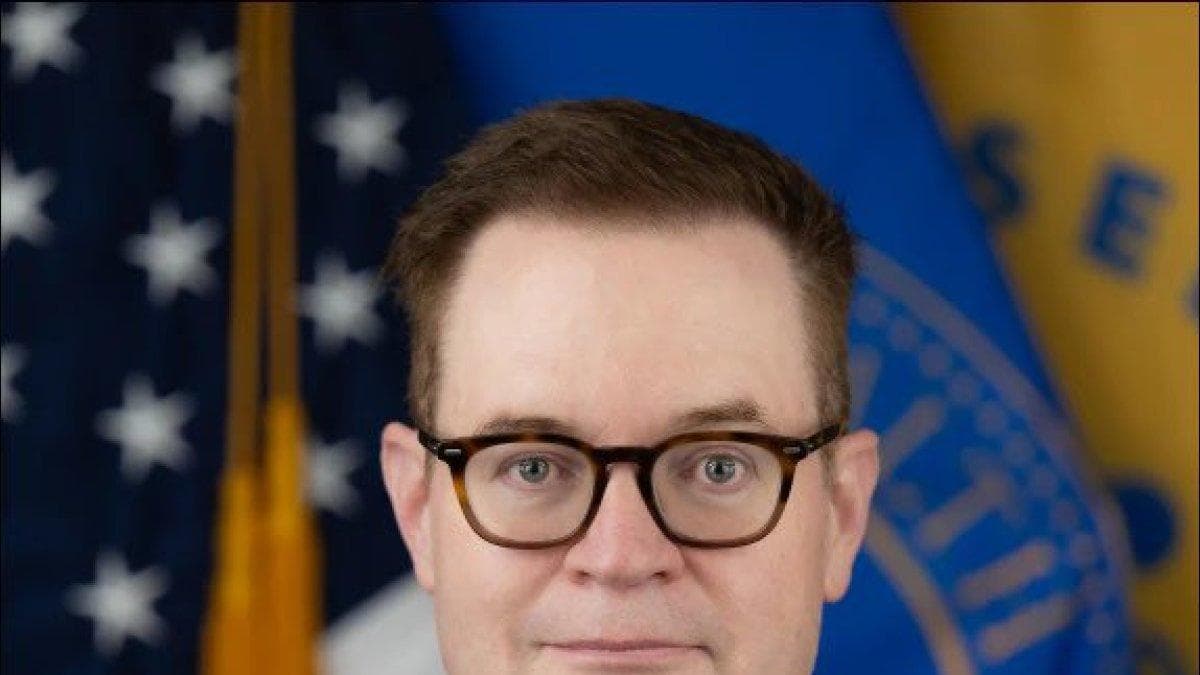
On Monarez, Kennedy denied asking him to pre-approve vaccine recommendations, stating that he asked him to resign because "I asked her, 'are you a trustworthy person?' and she said no."
For his part, Senator Raphael Warnock (D-Georgia) accused Kennedy of having "an agenda" that poses “a threat to the public health of the American people" and asserted "I think you ought to resign."
However, Kennedy defended the agenda and the CDC layoffs, calling them "absolutely necessary" to restore confidence in the agency. He asserted that CDC officials "failed miserably" during the COVID-19 pandemic, and held them accountable for school closures and facemask mandates under the guise of being "science-based."
During the COVID-19 pandemic, the CDC allowed the teachers union to write the order closing our schools – which hurt working people all over the country – and then pretended it was science based. pic.twitter.com/hAC2NXwK8u
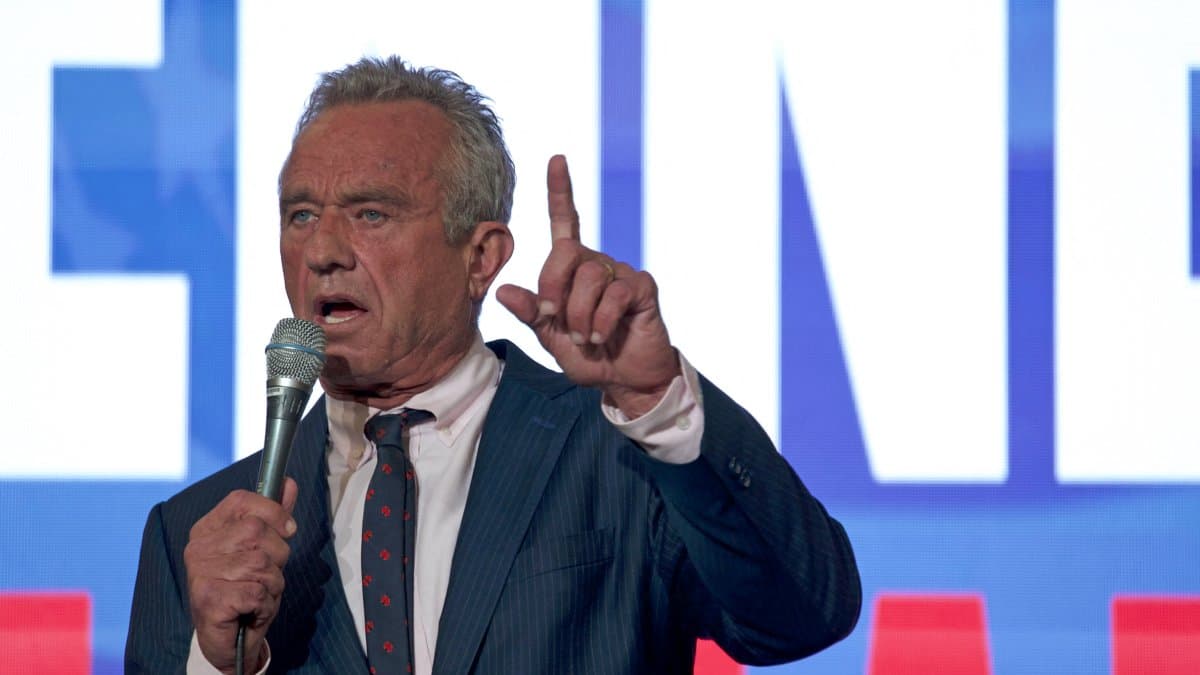
In that regard, the health secretary, noted, "the people at the CDC who oversaw that process, who put masks on our children, who closed our schools, are the people who will be leaving."
We became the sickest country in the world.
I need to make sure this doesn’t happen again. pic.twitter.com/ihNBfyDWKd
COVID-19 and the vaccine
Senator Bernie Sanders (I-Vermont) pressed Kennedy on his contradictory stance on the COVID-19 vaccine, citing a comment by Kennedy in 2021 where he called the vaccine the “deadliest vaccine ever made." Similarly, Senator Mark Warner (D-Virginia) questioned Kennedy's refusal to accept that the vaccine saved lives, asking, "You've had this job for eight months and you don't know the data about whether the vaccine saved lives?"
Kennedy praised President Donald Trump for carrying out the Warp Speed operation, saying that "President Trump should get the Nobel Prize" because the vaccine "perfectly matched the virus at that time" and was "badly needed." However, he expressed opposition to the Biden Administration's vaccination mandates. On COVID-19 deaths, Kennedy said, "I don't know how many died. I don't think anyone knows that because there was so much data chaos coming out of the CDC."
Persistent COVID
Senator Todd Young (R-Indiana) pressed Kennedy on persistent COVID, noting that it affects 20 million Americans and requires more clinical trials to develop therapies. He said, "It's serious on a number of fronts."
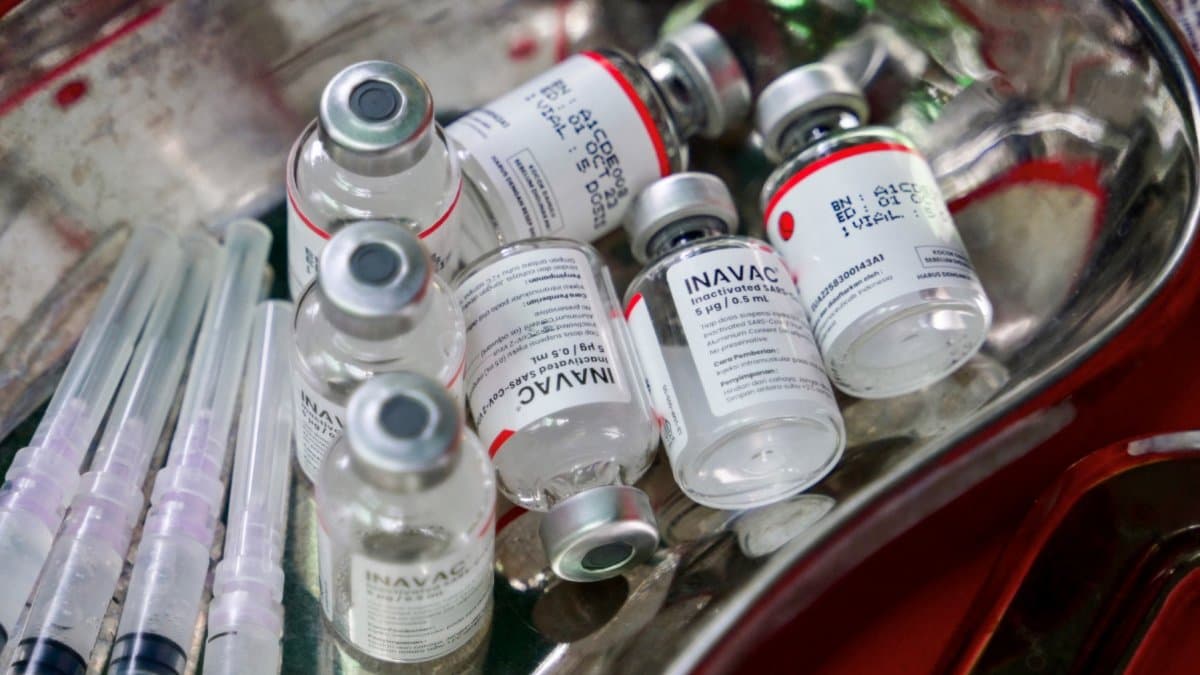
Along those lines, Kennedy admitted that NIH has not had significant results in persistent COVID research and noted that they are assembling a consortium of physicians who have had success in treating persistent COVID-19.
Implementing the MAHA agenda
Kennedy highlighted his focus on combating chronic disease as part of the MAHA agenda and noted, "Under President Trump's leadership, we at HHS are enacting a once-in-a-generation shift from a sick-care system to a true health care system that tackles the root causes of chronic disease."
Although Kennedy emphasized chronic disease, the senators focused their criticism on his anti-vaccine record, with few direct comments on this agenda. However, Wyden suggested that Kennedy's actions, such as replacing scientists with "skeptics and conspiracy theorists," could undermine public health in general.
Criticism on Medicare and Medicaid
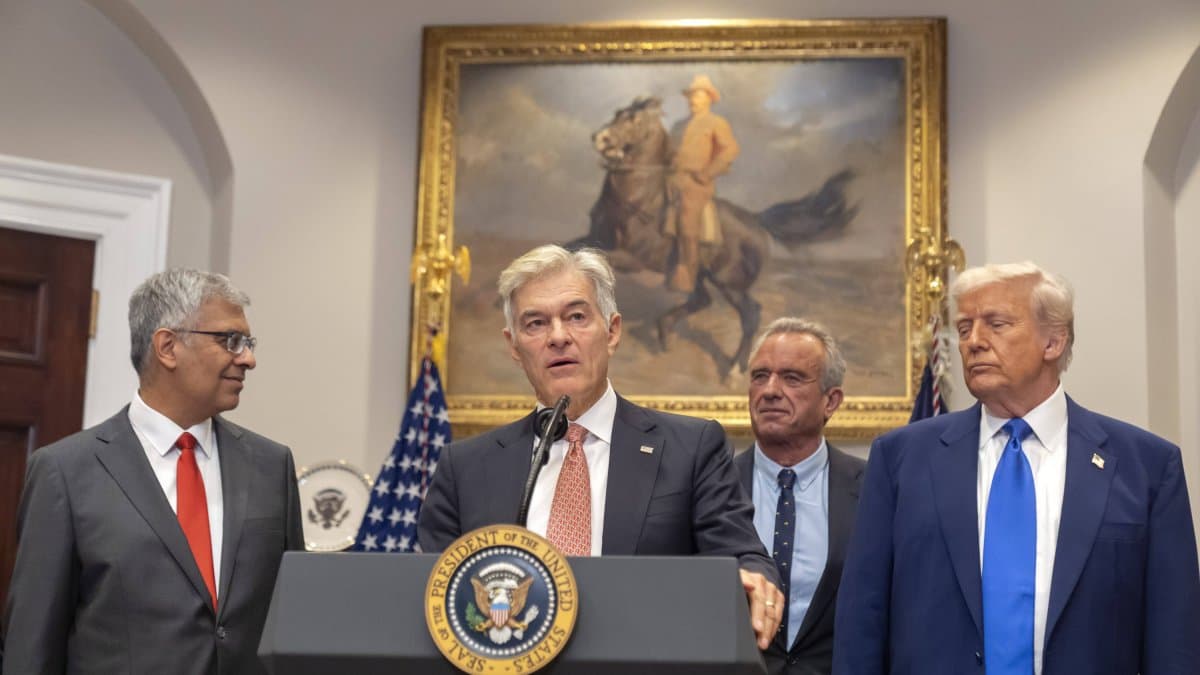
Sen. Catherine Cortez Masto (D-Nevada) questioned Kennedy on Medicare costs, noting that beneficiaries will pay "$15 more than last year" for drug coverage and as much as "$50 a month." Along those lines, Kennedy admitted he didn't know the details, saying, "I don't know" and that he would consult with Dr. Mehmet Oz, director of the Centers for Medicare and Medicaid Services.
Calls to resign
Wyden and Warnock explicitly called for Kennedy's resignation. Wyden said, "It is in the country's best interest that Robert Kennedy step down, and if he doesn't, Donald Trump should fire him before more people are hurt by his reckless disregard for science and the truth.” For his part, Warnock stated, "you are a hazard to the health of the American people.”
The MAHA agenda
Here you can read the MAHA Commission report that exposes an unprecedented health crisis in the country.
🛠 Do you think there is an error in this article?
Recommendations

LATEST