







DOJ secures six convictions in health care fraud lawsuits involving more than $1.1 billion
The cases were spread across federal courts in Florida, California, Michigan, New York and Tennessee. These were not isolated incidents, but sophisticated schemes involving digital telemedicine platforms, mass drug billing, and kickback networks in rehabilitation and home care clinics.
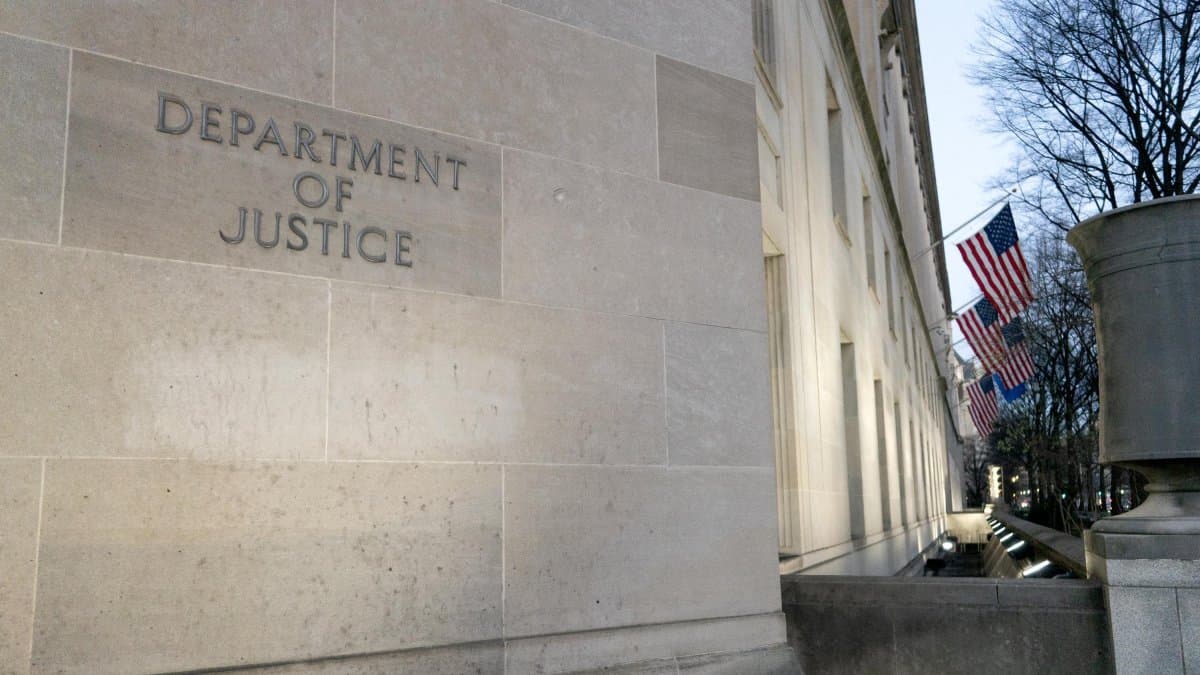

The Department of Justice has struck a significant blow against health care fraud rings. Between May 13 and June 1, the Health Fraud Unit of the new National Fraud Enforcement Division secured convictions in six separate federal trials, a record pace that reflects both the intensity and complexity of the investigations.
The cases were spread across federal courts in Florida, California, Michigan, New York and Tennessee, total more than $1.1 billion in fraudulent losses. These were not isolated incidents, but sophisticated schemes involving digital telemedicine platforms, mass drug billing and kickback networks in rehabilitation and home care clinics.
Blackman case: A telemedicine platform that billed more than $1 billion
Brett Blackman, founder and CEO of HealthSplash and DMERx, was convicted of leading a massive fraud scheme. His platform used overseas call centers to deceive elderly Medicare patients and procure bogus medical orders for unnecessary orthopedic devices. The scheme generated more than $1 billion in false billings, of which Medicare paid more than $450 million.

Society
Florida: Tech entrepreneur found guilty of multi-million dollar Medicare fraud
Diane Hernández
Mailyan case: The doctor who billed more Botox than anyone else in the U.S.
Dr. Violetta Mailyan was convicted of billing tens of millions of dollars for Botox injections that were never administered. Data showed she billed even while on vacation in Mexico and Hawaii, and in some cases to patients who were incarcerated. When approached by investigators, she falsified medical documents, which added obstruction charges.
Following the verdict, the jury declared a Tesla Model X, a Tesla Cybertruck, investment accounts valued at more than $7.3 million and four properties in California subject to forfeiture, deeming them to be proceeds derived from fraud.
Scott case: A bribery ring in home care
Ruby Scott, owner of a home care company in Michigan, was convicted of paying more than $130,000 in kickbacks to a hospital nurse to steal Medicare patient data. She used that information to bill for services that were never rendered.
Scott went further, appropriating the identities of real doctors to fabricate the existence of medical certifications that those doctors never performed.
The woman was convicted of five counts of health care fraud, conspiracy and four counts of paying kickbacks.
Brown-Arkah case: Addiction clinic turned drug distribution center
Tony Brown-Arkah turned his rehab clinic in Brooklyn into an opioid distribution point. He prescribed Suboxone without seeing patients and allowed patients to sell the drugs on the street. He was convicted of health fraud and kickbacks.
Total fraud losses exceeded $52 million between Medicare and Medicaid.

Popovych case: A bribery ring involving ambulance drivers
Olga Popovych ran physical therapy clinics in Brooklyn that paid kickbacks to ambulance drivers to take Medicare patients to them. She falsified medical records to justify billings in the millions. She was convicted on all counts.
Between 2018 and 2020, Medicare paid the clinics more than $8 million based on those fabricated records.

Marks case: A nurse who prescribed nearly a million opioid pills
Heather Marks, a nurse in Tennessee, prescribed nearly 1 million highly addictive pills to patients who often sold them on the street or abused them. She ignored clear signs of addiction and danger. She was convicted of illegal distribution of controlled substances.
These convictions are part of the DOJ's renewed effort under the Trump administration to combat fraud in federal health care programs, which costs taxpayers billions of dollars each year.
🛠 Do you think there is an error in this article?
Recommendations








LATEST