






OPEC+ raises production quotas again following easing tensions in the Middle East
Saudi Arabia, Russia, Iraq, Kuwait, Kazakhstan, Algeria, and Oman met remotely and decided to “implement a production adjustment of 188,000 barrels per day,” the group announced in a statement
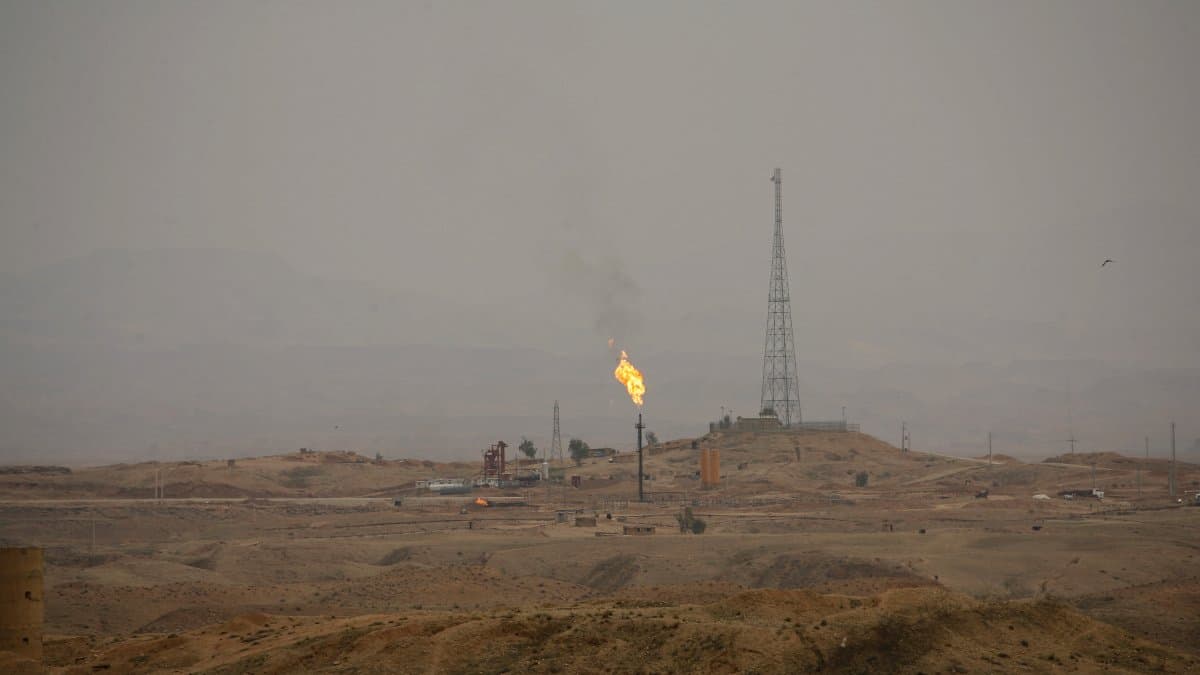

Seven of the 21 member countries of the OPEC+ alliance decided this Sunday to once again increase their oil production quotas, as Gulf countries recover from the fallout of the war in the Middle East following the signing of the memorandum of understanding between the U.S. and Iran.
Saudi Arabia, Russia, Iraq, Kuwait, Kazakhstan, Algeria and Oman met remotely and decided to “implement a production adjustment of 188,000 barrels per day,” the group announced in a statement. The statement specifies that this adjustment will take effect in August 2026.
The Gulf countries were forced to reduce their production following the near-shutdown of the Strait of Hormuz, orchestrated by Iran during the war in the Middle East, which blocked their oil exports for several months. According to OPEC data, between the first quarter of 2026 and May, the combined production of Saudi Arabia, Iraq and Kuwait fell by about 6 million barrels per day.
"For the time being, production likely remains below" the targets
However, on June 17, Iran and the United States signed a memorandum of understanding in which they committed to ensuring free maritime passage through this strategic waterway. "For the time being, production is likely still below" the targets set by OPEC+, Giovanni Staunovo, an analyst at Swiss bank UBS, told AFP.
Since Washington and Tehran signed the memorandum of understanding, maritime traffic in the region has been gradually recovering, and oil prices have fallen again to levels comparable to those recorded before the war.
According to a U.S. official cited by Bloomberg, the volume of oil currently flowing through the Strait of Hormuz is already said to exceed 10 million barrels per day. Much of the oil being transported still comes from stocks stored on ships and in storage facilities, Saxo Bank analyst Ole Hansen told SFP, noting that resuming production after a disruption does not happen immediately.
"Looking ahead to next year, all signs point to a supply surplus"
"If maritime traffic continues to recover, July should show an improvement in activity, and in August the recovery could accelerate," he said. "Looking ahead to next year, all signs point to a supply surplus," Jorge León, an analyst at Rystad Energy, told AFP.
In the long term, producers could face significant price pressure. Furthermore, OPEC+, weakened by the withdrawal of the United Arab Emirates in May, could face internal tensions if oil prices continue to fall while several of its members demand an increase in their production quotas.
In late June, Iraq requested an increase in its quota to offset losses resulting from the war, its Ministry of Oil reported at the time.
🛠 Do you think there is an error in this article?
Recommendations



LATEST