An appeals court keeps Trump's measures to strengthen voter verification on hold
The ruling, issued by the U.S. Court of Appeals for the First Circuit, upholds a preliminary injunction that prevents the Administration from implementing those provisions while litigation brought by a coalition of 23 states and the District of Columbia continues.
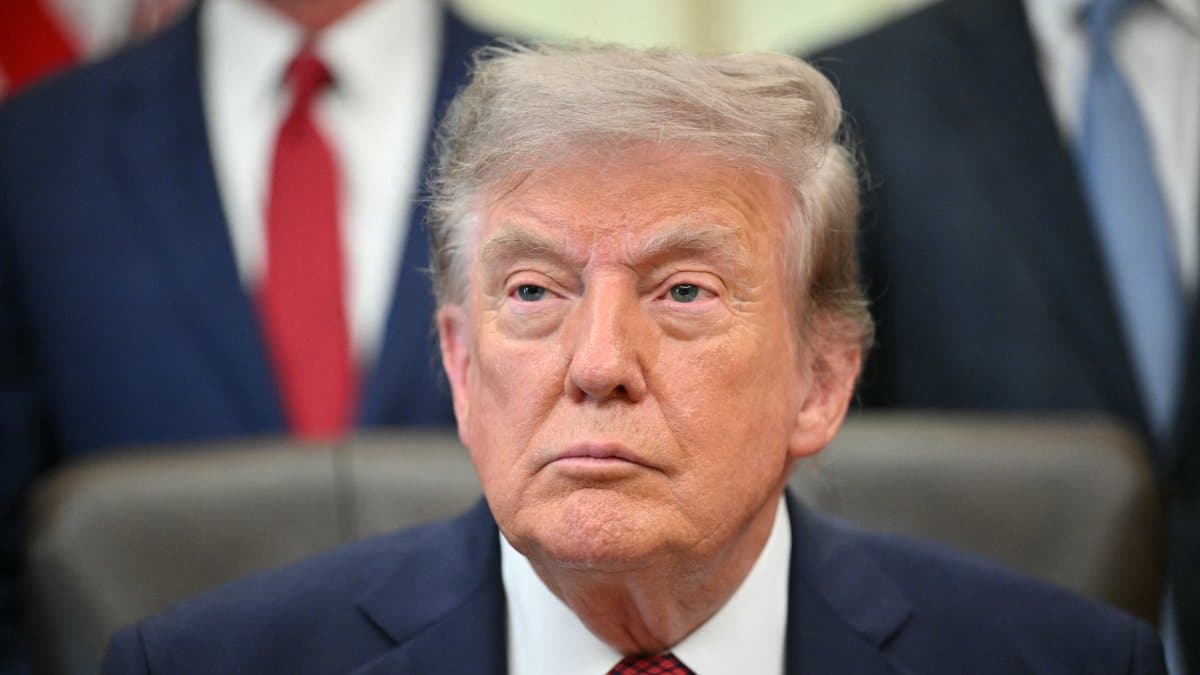

A Federal Court of Appeals on Friday confirmed a decision temporarily blocking parts of Donald Trump's executive order aimed at strengthening voter eligibility verification by sharing federal data with the states.
The ruling, issued by the First Circuit Court of Appeals, upholds a preliminary injunction preventing the administration from implementing those provisions while litigation brought by a coalition of 23 states and the District of Columbia continues.
In March, the president signed an executive order directing various federal agencies to collaborate on verifying voter eligibility to strengthen controls over the distribution of mail-in ballots. The White House defended the initiative as an effort to strengthen electoral integrity and prevent illegal voting in federal elections.
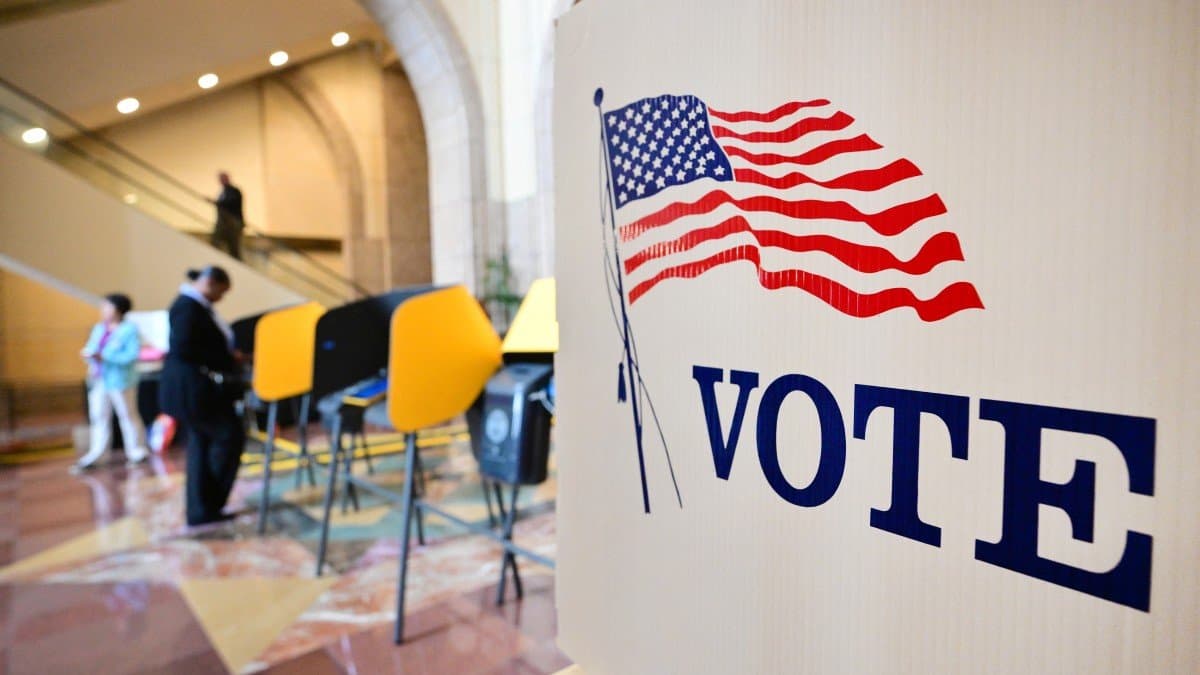

Among other things, it directed the Department of Homeland Security (DHS) and the Social Security Administration to compile lists of eligible voters, ordered the Postal Service to implement tracking and security systems for mail-in ballots, and authorized the Department of Justice (DOJ) to prioritize investigations related to the issuance of ballots to individuals deemed ineligible.
The order triggered a series of lawsuits filed by Democratic-led states and election organizations seeking to block its implementation. The plaintiffs argued that several of its provisions exceeded presidential authority and encroached on powers traditionally reserved for the states, in this case regarding election matters.
In granting the preliminary injunction, the court did not rule on the order's constitutionality but rather determined that there are sufficient grounds to keep those provisions suspended while the case proceeds through the courts.
The ruling comes one month after federal Judge Indira Talwani preliminarily blocked parts of the executive order, finding that the states had sufficient grounds to argue that the president exceeded his constitutional authority.
🛠 Do you think there is an error in this article?
Recommendations



LATEST