The White House spoke with Walmart, Kroger, and Albertsons: It aims to lower the price of beef
The White House linked Walmart’s announcement to its agenda of deregulation and tax cuts, and stated that it maintains an ongoing dialogue with retail chains to ensure that any savings translate into lower prices for consumers.
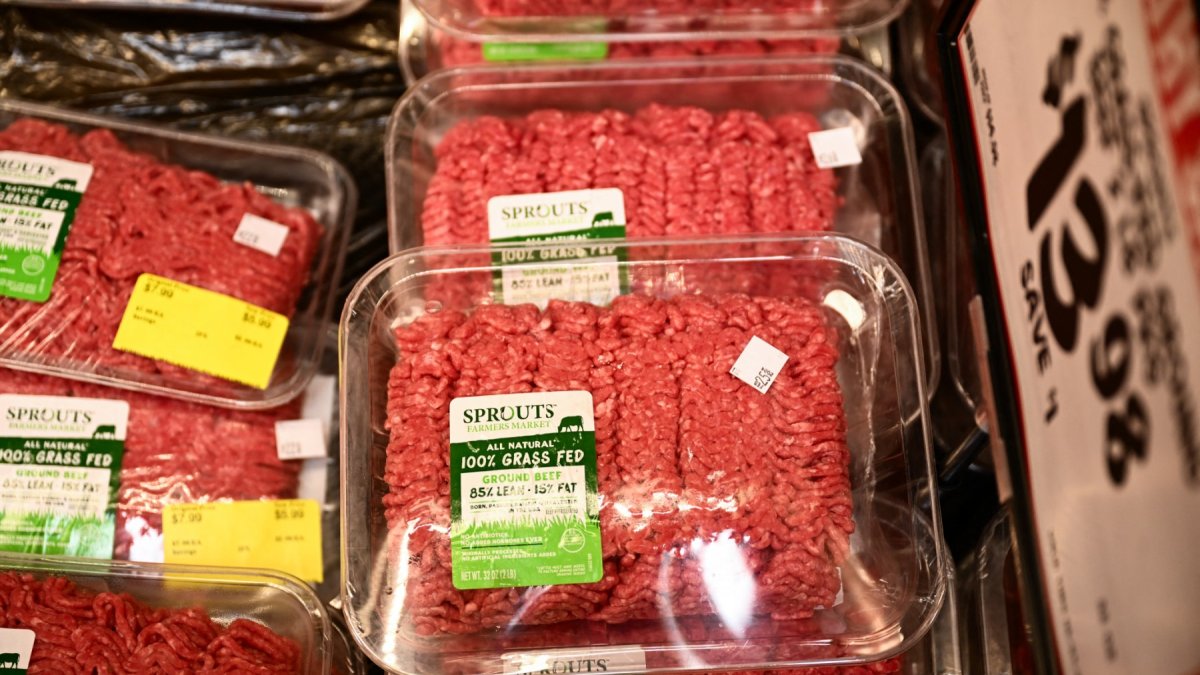
A file photo of a tray of ground beef from 2024 in California

The Trump administration called on the nation’s major supermarket chains to lower beef prices before the Fourth of July weekend, amid the price surge that beef has been facing for months, as the White House strives to improve its image on economic management ahead of the midterms.
As reported exclusively by The Wall Street Journal, Tate Bennett, chief of staff to Agriculture Secretary Brooke Rollins, met last week with representatives from Walmart, Kroger, and Albertsons to discuss their pricing plans ahead of the holiday, when demand for barbecue meat typically skyrockets. Walmart, the nation’s largest retail chain, informed the administration that it had already planned to reduce prices on several products over the summer, including beef, according to the report.
Politics
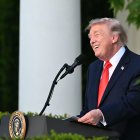
Trump welcomed farmers and ranchers to the White House to celebrate his economic agenda
Joaquín Núñez
Trump didn't let the opportunity pass him by. On Monday, he posted on social media that the chain would lower prices "at my administration's request," minutes before Walmart officially confirmed the price cuts, which include a 12% reduction on ground beef as part of an adjustment affecting thousands of products. The president also called on other supermarkets to follow suit.
The White House linked Walmart’s announcement to its agenda of deregulation and tax cuts, and stated that it maintains an ongoing dialogue with retail chains to ensure that any savings, including those resulting from the elimination of environmental regulations on refrigerants inherited from the Biden administration, translate into lower prices for consumers.
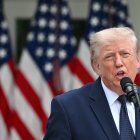
This outreach to supermarkets is not an isolated incident, but rather part of a strategy the White House has been implementing for months with various sectors. Trump had previously called on oil companies to lower gasoline prices, called for a cap on credit card interest rates, and pressured pharmaceutical companies over medication costs. The common thread is inflation in basic goods, an issue the White House is seeking to control ahead of the elections, which will be crucial for the next few years of the Trump administration.
Behind the rise in meat prices, however, there is a structural problem that cannot be solved with a phone call from the White House: the number of head of cattle on U.S. ranches fell to its lowest level in 75 years, following a string of droughts and rising costs for producers. That shortage, combined with unrelenting demand, explains why the price of ground beef rose 12% in May compared to the previous year, according to data from the Department of Labor.

Society
National Burger Day: How it stopped being just fast food and became haute cuisine too
Alejandro Baños
Trump tasked Rollins, along with Stephen Miller and Peter Navarro, with finding a solution to this bottleneck. Last year, following a post by the president on Truth Social, the Department of Justice launched an investigation into the country’s four largest meatpacking companies, which deny any wrongdoing and claim to have lost billions of dollars due to the higher cost of the livestock they process. The Trump administration also allocated up to $500,000,000 to support small and medium-sized meatpackers.
LATEST