Fed holds rates steady amid tariff uncertainty and pressure from Trump
Powell emphasized the need to avoid a premature cut that could reignite inflation or a delay that would hurt the labor market. “We want to do that efficiently. If you move too soon, you wind up maybe not getting inflation all the way fixed and you have to come back [and raise rates]. That’s inefficient. If you move too late, you might do unnecessary damage to the labor market,” he said.
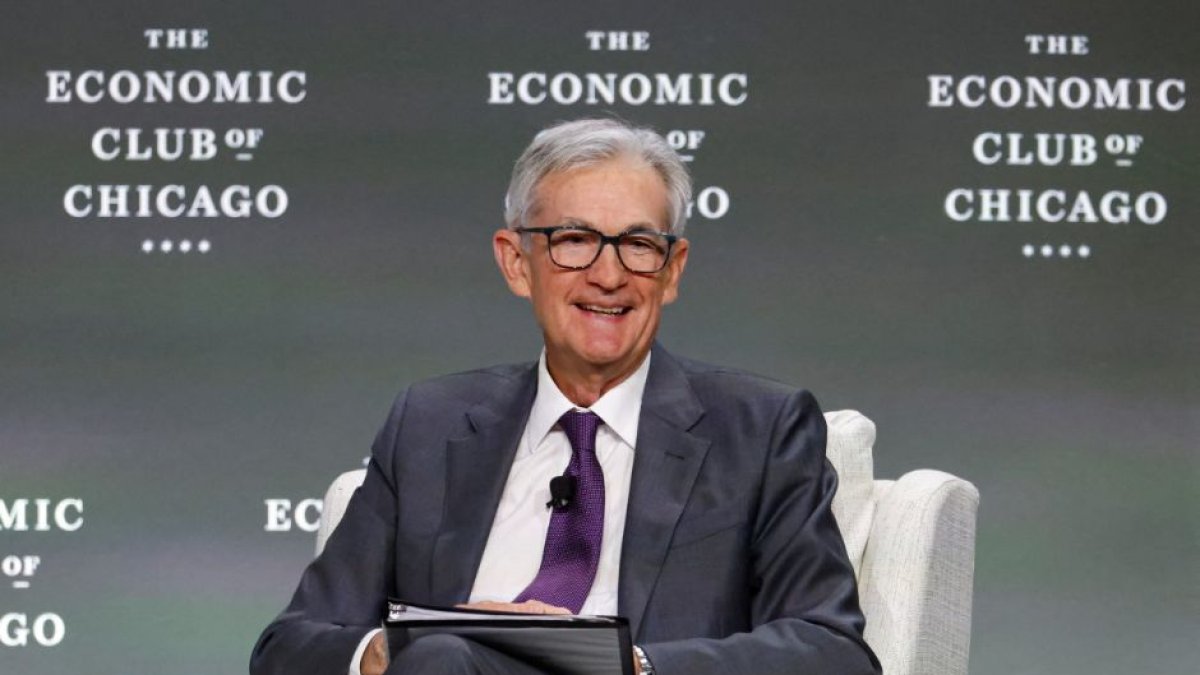
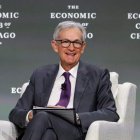
Federal Reserve Chairman Jerome Powell.

The Federal Reserve (Fed) decided to keep interest rates at a range of 4.25% to 4.5% during its fifth consecutive meeting, according to the official Fed statement.
The meeting, held Wednesday, reflected growing tensions within the central bank as it assesses the impact of recent tariffs that are close to taking effect on inflation and the economy.
A non-unanimous decision
However, the decision was not unanimous: two members, Michelle Bowman and Christopher Waller, both Trump appointees, argued for an immediate quarter-point cut, marking an unusual break in the rate-setting committee's consensus. This was the first time since 1993 that more than one board member dissented and since 2020 that more than one official voted against FED Chairman Jerome Powell.
Powell emphasized the need to avoid a premature cut that could reignite inflation or a delay that would hurt the labor market. “We want to do that efficiently, though—efficiently”. “If you move too soon, you wind up maybe not getting inflation all the way fixed and you have to come back [and raise rates]. That’s inefficient. If you move too late, you might do unnecessary damage to the labor market", he said.
The dissent from Bowman, who previously advocated tighter monetary policies, and Waller, who expressed concerns about excessively high rates for an economy with contained inflation, highlights a change in the Fed's domestic outlook.
Waller, considered a possible successor to Powell in 2026, had weeks earlier signaled support for a cut, arguing that current rates may be too restrictive.
The economic backdrop
The economic backdrop is complex. Tariffs imposed by the Trump Administration have generated uncertainty about how costs will be distributed among importers, retailers and consumers. Although companies have built up inventories to mitigate the initial impact, some economists warn that tighter margins could force price increases, which would keep inflation above the Fed's 2% target for the fifth consecutive year.
Economy
The Commerce Secretary assured that the tariffs will go into effect on August 1 with "No extensions"
Luis Francisco Orozco
Along those lines, Richard Clarida, former Fed vice chairman, noted that tariffs are already impacting certain price indexes, although services prices have helped contain headline inflation.
Mixed Signals
Recent economic data show mixed signals. Second quarter GDP grew a solid 3.0%, beating expectations, but private demand slowed to 1.2%, down from 1.9% in the previous quarter. This slowdown, attributed to slower labor force growth and the impact of tariffs, reinforces the Fed's caution.
The Trump Administration, for its part, has intensified pressure on the Fed, criticizing its cautious approach and blaming it for the increase in mortgage rates.
Politics
Powell defends billion-dollar Fed building renovation project in letter to White House
Agustina Blanco
Politics
Powell resists Trump pressure: Fed prioritizes data 'before considering any adjustments' in rates
Agustina Blanco
Advisors such as Treasury Secretary Scott Bessent have argued that the Fed should cut rates, citing cuts made between September and December 2024.
Moreover, President Donald Trump himself predicted a September cut, though Powell avoided committing: “We have made no decisions about September. We don’t do that in advance."
The Fed's dilemma
As Clarida pointed out, if economic data continue to show conflicting trends, Powell could opt to hold rates steady at upcoming meetings, avoiding risky decisions in an environment of uncertainty.
LATEST