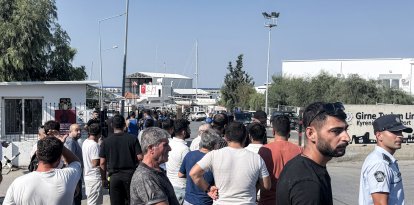
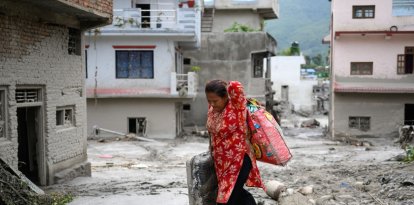
The Himalayan glacier disaster has left more than 1,000 dead and nearly 4,500 missing, amid a race-against-time rescue effort in the tunnels of a hydroelectric power plant
With the morgues overwhelmed, authorities have begun burying hundreds of unidentified victims, but not before taking DNA samples. At least a dozen bodies have also been found in rivers in India, far downstream.
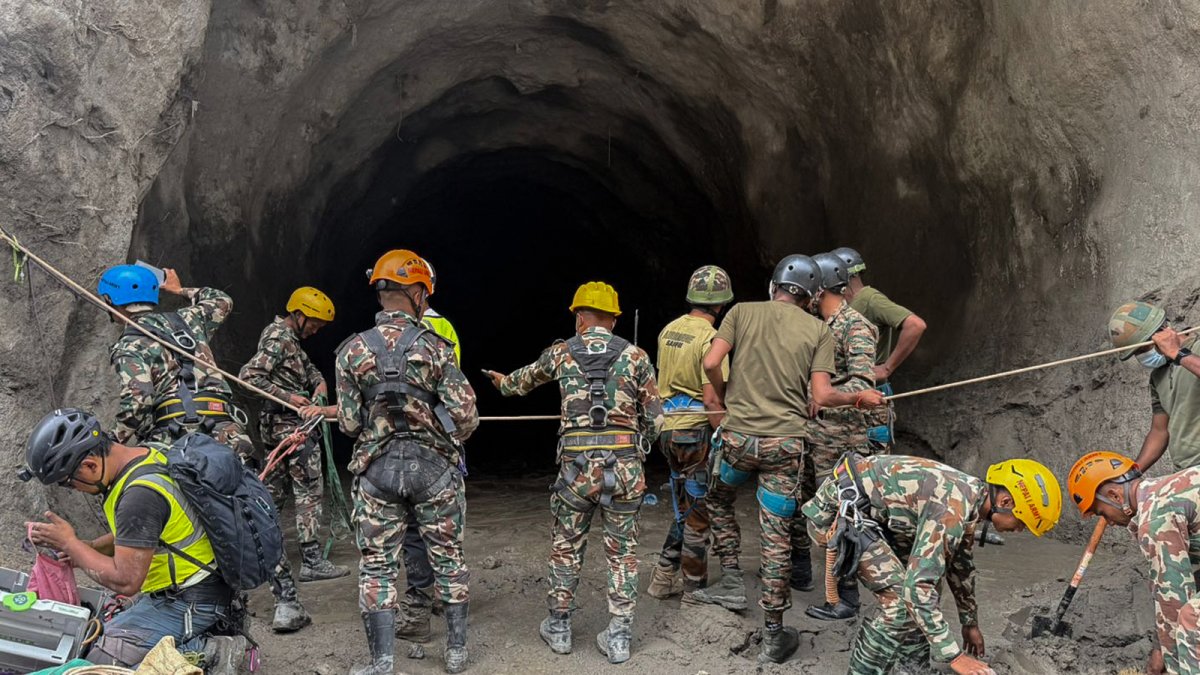
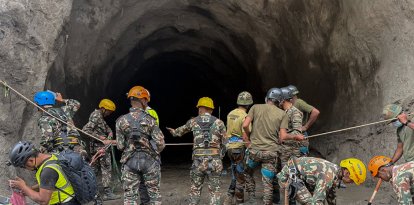
The Army is conducting a rescue operation at the site of a tunnel for the hydroelectric project in Rasuwa.

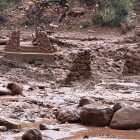
The overflow of a glacial lake in the Himalayas, which occurred a week ago, has already left more than 1,000 dead in Nepal and Tibet, while rescue teams are trying to free about 100 workers trapped in the tunnels of a hydroelectric power plant. Authorities estimate that nearly 4,500 people are missing.
Nepal has recovered 987 bodies and has 3,916 people listed as missing, while Chinese state media report 16 dead and another 546 people unaccounted for. In total, the death toll has surpassed 1,000, and the number of missing people has exceeded 4,400.
A race against time in the tunnels
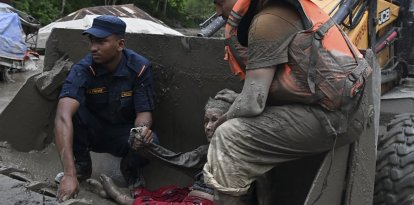
In Nuwakot, one of the hardest-hit districts, soldiers and rescue workers are digging, drilling, and using explosives under extreme conditions to locate about 100 workers from the hydroelectric plant who are believed to be trapped under the mud in various tunnels. So far, only bodies have been recovered from inside the blocked tunnels.
The Nepalese Army insists that the search is still ongoing. "Our focus is on search and rescue operations in the tunnels; the work continues," spokesperson Raja Ram Basnet told AFP, adding that troops are also helping to recover bodies and prevent the spread of disease.
With the morgues overwhelmed, authorities have begun burying hundreds of unidentified victims, but not before taking DNA samples. At least a dozen bodies have also been found in rivers in India, far downstream.
The anguish of families in Kathmandu
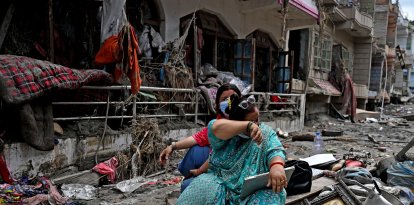
According to AFP, in the capital, dozens of people are lining up outside a hospital to post photographs of their missing relatives, in the fading hope of finding them alive. Such is the case of Debu Sapkota, a 58-year-old driver searching for his 83-year-old mother-in-law and his granddaughter, who were swept away by the current in the town of Trishuli Bazaar when the alarms sounded; but the elderly woman, he says, "was too old to run" and both were swept away by the flash flood that struck the area last week.
"I'm here in the hope of finding their bodies," confesses Sapkota, who admits he no longer believes they survived after witnessing the torrent carry them away. In Chitwan District, families have begun cremating their dead, while soldiers unload victims from helicopters in Nuwakot and Rasuwa.
The need for aid is enormous: entire communities have vanished, dozens of bridges and roads have been destroyed, and several power plants have been damaged, while the rain lashes those trying to take shelter under makeshift plastic sheets. "There are too many challenges," summarizes police officer E. Hawadi, stationed in the hard-hit district of Nuwakot.
Tributes in Tibet and criticism over reporting
Even so, Tibetan groups in exile have questioned the official account of the disaster. Tencho Gyatso, president of the International Campaign for Tibet, called on Beijing to release "complete and verifiable" information regarding the damage and casualties. Beijing, for its part, denied withholding data and maintained that the information had been disseminated in an "open, transparent, and timely" manner, while announcing the dispatch of a second batch of humanitarian aid to Nepal, including drones, DNA analysis equipment, and water purification and lighting supplies.
LATEST