Himalayan landslide leaves at least 955 dead and nearly 4,471 missing in Nepal and Tibet
Nepal began burying unidentified bodies as morgues reached capacity, while rescue teams search for hundreds of trapped workers and monitor the formation of new lakes that could cause further flooding.
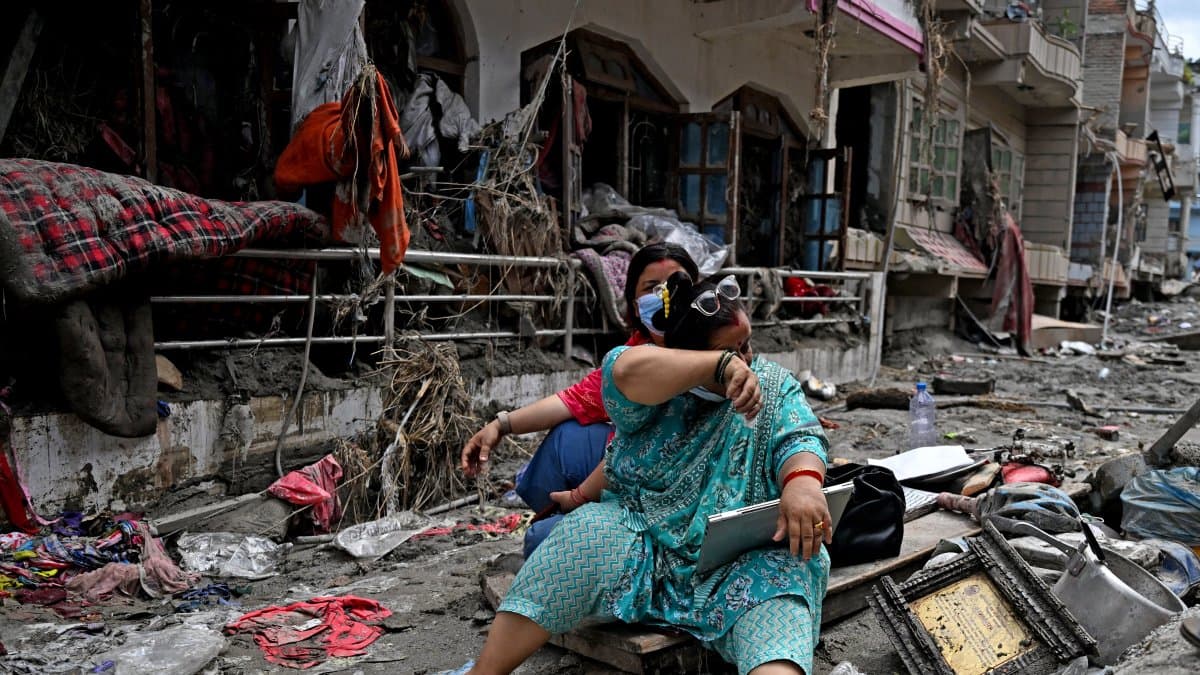

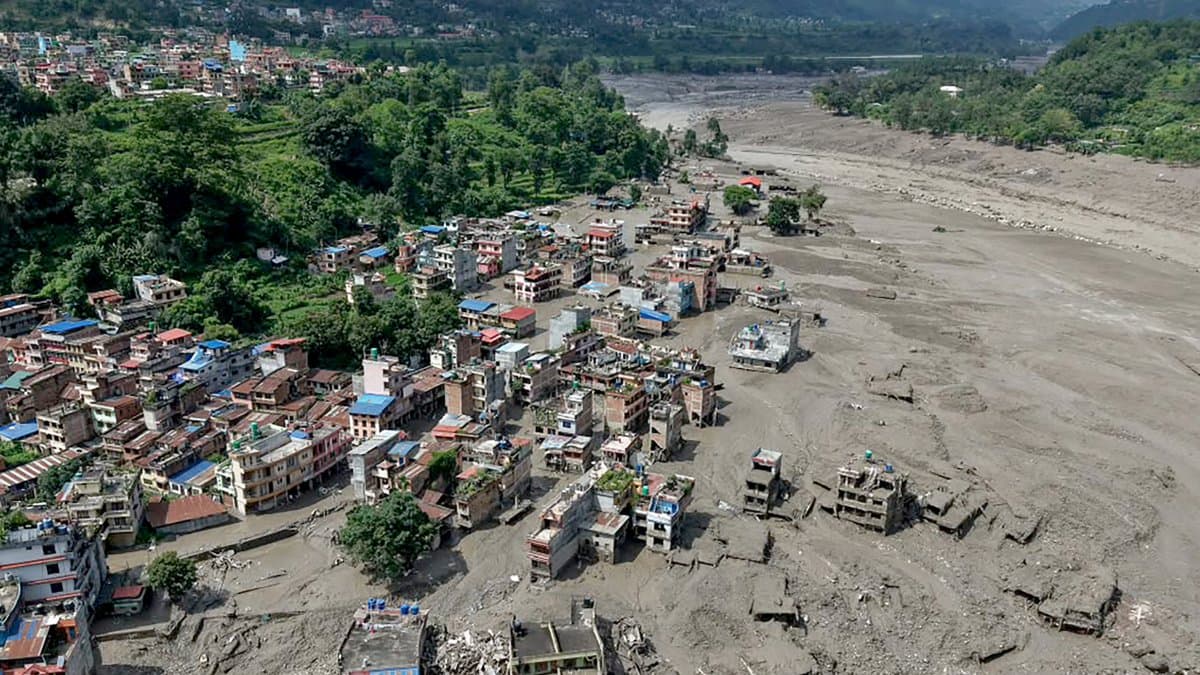
The devastating flash flood that struck Nepal on Wednesday near the border with China, left at least 939 dead, Nepal's emergency management authority said Monday, revising the number of missing downward, placing it at 3,925.
For its part, Chinese state media confirmed that 16 people had died in the Tibet Autonomous Region and 546 were missing following the disaster, bringing the total death toll to 955 and the number of missing to 4,471.
The disaster occurred on Wednesday, when a glacier collapse unleashed a massive wall of water, ice, rocks, and debris that swept through the valley and devastated entire communities. The U.S. Geological Survey attributed the phenomenon to the glacier's collapse.
Among the missing are numerous tourists and pilgrims who were heading to Mount Kailash, considered sacred by several religions. The whereabouts of 933 hydroelectric plant workers in Nepal are also unknown.
World
US Embassy mobilizes assistance while searching for dozens of its citizens following devastating floods in Nepal
Andrés Ignacio Henríquez
Race against time to rescue workers in a tunnel
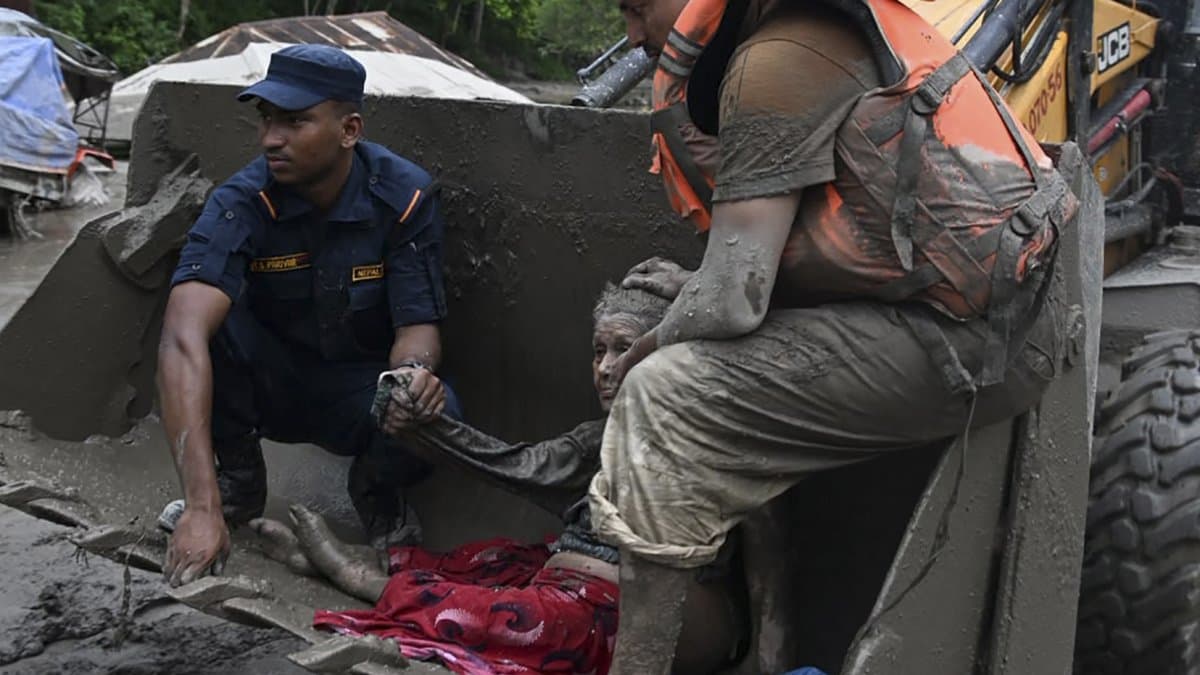
Troops and engineers from the Nepalese Army are working through the rubble to try to reach workers believed to be trapped in a tunnel at a hydroelectric facility. Teams managed to insert a pipe into the tunnel, although the condition of those still inside remains unknown.
One of the survivors, Surendra Dowluri, a 33-year-old Indian worker, told AFP that they heard a loud crash before water and mud flooded the site.
"We saw that the floor of the turbine was submerged in mud, and six workers were trapped there," he explained. Five were rescued, but one died.
Rescue operations continue amid constant danger. The rising waters have formed new lakes that could overflow and cause further flooding. In Tibet, several rescuers were moved to a safe area after one of these natural reservoirs formed.
Access difficulties are also slowing down the search. At the Tibetan port of Gyirong, one of the hardest-hit areas, Chinese teams managed to advance only 285 meters on Sunday. Beijing has mobilized 2,141 personnel, although the available information comes exclusively from Chinese authorities due to access restrictions for the foreign press.
Burials before identifications are complete
On Monday, Nepal began burying some of the hundreds of recovered bodies. Morgues are overwhelmed, and the country lacks sufficient refrigeration facilities to preserve the bodies while identification is completed.
Authorities are collecting DNA samples before the burials, in the hope that families will later be able to identify and claim the remains to perform their funeral rites. Meanwhile, hundreds of people are visiting hospitals and rescue centers or looking at photographs of the deceased on screens set up in makeshift morgues.
🛠 Do you think there is an error in this article?
Recommendations






LATEST