Trump urges Congress to create tax incentive to save Hollywood and entertainment industry
In a lengthy social media post, Trump called on Republicans and Democrats to work together on legislation "to save the film, television, and entertainment industry in the United States."


President Donald Trump called on Congress Monday to act immediately to create a federal incentive for film and television production, thus joining a long-standing call from within the entertainment industry itself, which has been hit hard by the constant exodus of film shoots to other countries.
In a lengthy social media post, Trump called on Republicans and Democrats to work together on legislation to "save the Movie, Television, and Entertainment Business in America."
"The Money spent on Tax Incentives will be more than made up for in the Money that pours into the Treasury. Meetings are being scheduled with Leaders of both Parties to get this done. It should be Bipartisan, especially in light of the tremendous amount of money that is being lost in California, and other, mostly Democrat run, States. I suggest that Republicans and Democrats come together, and immediately craft Legislation to save the Movie, Television, and Entertainment Business in America. Congress should IMMEDIATELY approve a Federal Production Incentive to create Entertainment Jobs in the United States of America. This can be done quickly, accurately, efficiently and, importantly, will benefit ALL of America. What we watch on the Silver Screen should be made in what was once the Movie and Motion Picture Capital of the World. LET'S DO IT!"
The president, who had previously considered imposing a tariff on films shot abroad, also took the opportunity to praise actor Jon Voight, one of his so-called "Hollywood ambassadors," who has been working for months alongside a group of industry leaders to design this initiative.
Entertainment
Cuando la obra se convierte en lenguaje: por qué Christopher Nolan ya entra en el olimpo de los más grandes directores de la historia
Luis Francisco Orozco
Entertainment
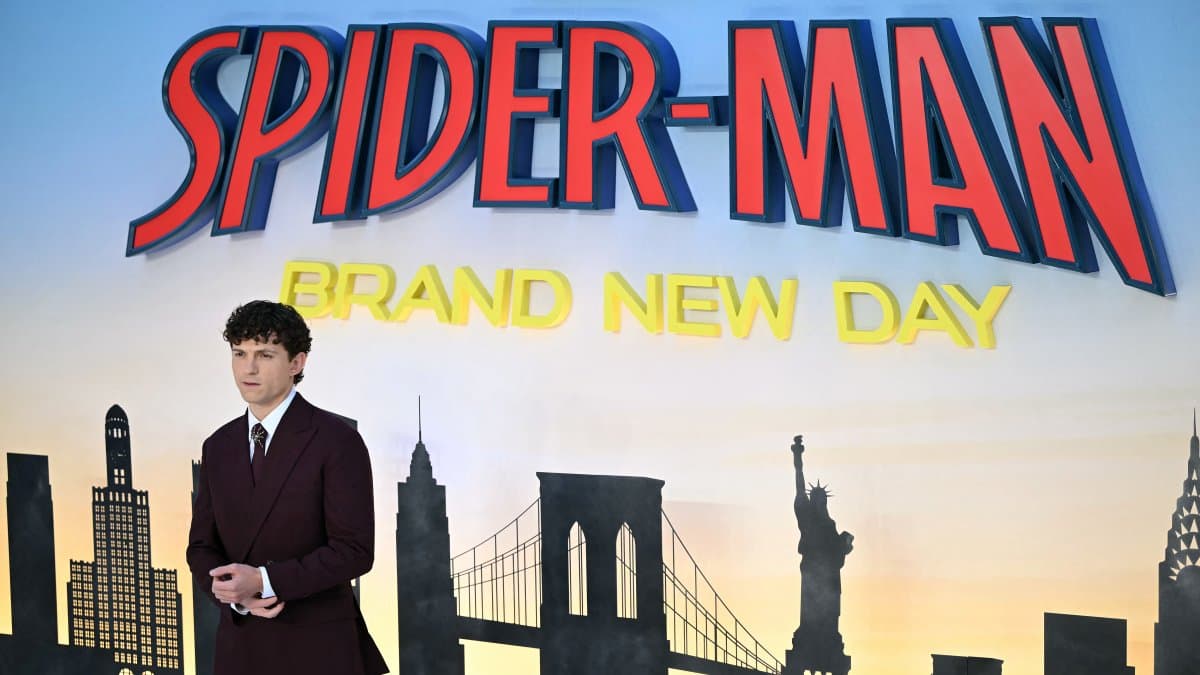
Box office phenomenon: 'Spider-Man: Brand New Day' hits $1 billion in just six days
Andrés Ignacio Henríquez
"He is a fantastic man who loves our Country, and feels strongly about the Motion Picture and Television Industry," Trump wrote about Voight. "He hates what's happened to it! It is being dissipated in its entirety. It has moved to Canada, and other Countries, with very little work being done anymore in the United States. Hollywood is a Complete and Total Disaster!"
The president's complaint is not new. For years, countries such as Canada, Australia, and the United Kingdom have offered tax incentives far more generous than those available at the state level in the U.S., which has pushed studios and production companies to film increasingly outside the country. Several states tried to respond on their own—California, for example, doubled its tax credit program last year to $750 million annually— but that effort was not enough to reverse a trend that is severely affecting the domestic industry.
The news outlet Politico reported that a bipartisan group of lawmakers from the House of Representatives could formally introduce the bill as early as September. Democratic Representative Laura Friedman, whose district in Burbank is home to several of the industry's leading companies, has been leading this effort and made no secret of her sense of urgency: "There's no reason Canada, the UK, or Australia should be taking our jobs. We still have the best crews on the planet. It's time we made it possible for them to stay where they belong: in America."
Trump's support even sparked rare displays of political unity. Democratic Senator Adam Schiff, one of the president's staunchest critics on immigration and security issues, wrote on social media: "I am in strong agreement with the President."
The industry also welcomed the announcement. Motion Picture Association CEO Charles Rivkin praised Trump's "support for this vital action" and said the organization looks forward to "continuing to work with the White House and bipartisan leaders in Congress to enact a meaningful and effective national incentive into law." Russell Hollander, national executive director of the Directors Guild of America (DGA), echoed this sentiment, describing the incentive "is critical to ensuring that the United States remains a competitive marketplace for production."
🛠 Do you think there is an error in this article?
Recommendations






LATEST