"Cheaper gasoline" and the recovery of the oil industry: An oil expert explained on Voz News why the agreement between Washington and Caracas will benefit both sides
Pereira argued that the agreement takes on strategic importance amid instability in the Middle East.
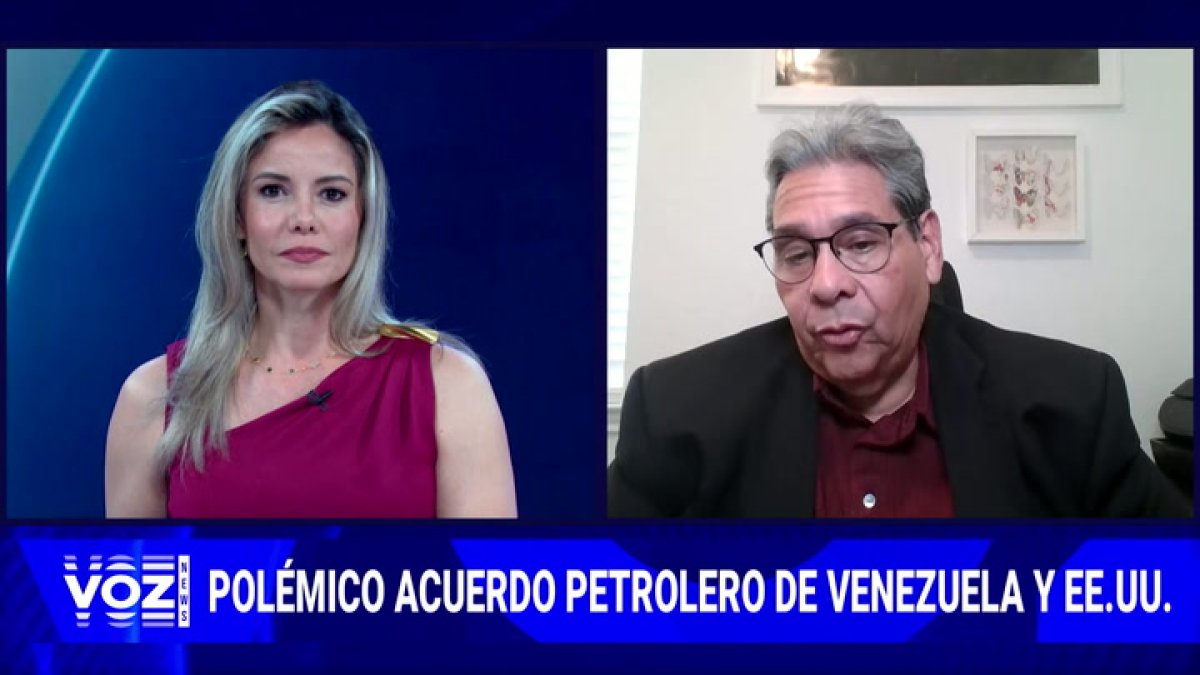
José Pereira on Voz News.
Oil expert and former CITGO executive José Pereira highlighted on Monday on Voz News the potential benefits of the oil agreement announced by President Donald Trump with Venezuela, particularly for U.S. energy security and reserves, though he also elaborated on the criticisms of the deal and the need to understand how the resources allocated to the South American country will be managed.
In an interview with Karina Yapor, anchor and executive director of Voz News, Pereira said the agreement takes on strategic importance amid instability in the Middle East and tensions around the Strait of Hormuz. As he explained, including Venezuelan reserves would give the United States a more stable long-term source of crude oil.
One of the main benefits, according to Pereira, relates to U.S. oil reserves and their economic impact. The expert explained that U.S. reserves were expected to decline in the coming years, so including Venezuelan resources would represent a significant change.
"They were, honestly, in a compromised position from a strategic standpoint, because adding these 65 trillion barrels more than doubles U.S. reserves. And that, obviously, has an economic impact on the debt, because when this is accounted for and added to the total number of barrels, the U.S. government's accounting immediately expands, and that causes the debt to decline," Pereira stated.
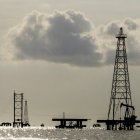
Just The News
Trump’s historic oil deal with Venezuela realigns global energy and puts OPEC, Canada on notice
Misty Severi
The expert also noted that the impact on gasoline prices would not be immediate, but that the increase in reserves could benefit U.S. consumers in the long term. "The gasoline price reductions that Donald Trump is announcing won't happen in the short term. (...) But in the long term, this will obviously guarantee the American people much lower gasoline prices over the long haul," he explained.
However, Pereira acknowledged questions about the agreement's structure and the parties involved. He pointed out one of the main points of concern: that the deal is being carried out with a Venezuelan regime whose legitimacy is highly questionable.
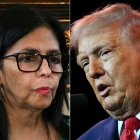
"I know that right now in Venezuela there is a lot of criticism regarding the lack of transparency and who the agreement is being signed with, but setting that aside, looking at the fact that the investment is coming in—because it's not like aliens are going to come and make the investment. In other words, it will be American companies investing, and it will be in Venezuela—not anywhere else. This will have a positive impact on Venezuela. One of the issues that has been happening in that country—and I say this responsibly—is that once the crude oil is sold, the proceeds go into accounts that are guaranteed here at the Treasury Department. "The process of returning the money to Venezuela is what will make the difference in ensuring that this process moves forward in a more coherent, fluid, and transparent manner, so that the money actually begins to reach the pockets of Venezuelans," the expert said.
Pereira also emphasized that the investment could provide a decisive boost to reviving Venezuela's ailing oil industry, stating, "This leap forward by the Trump administration is what will perhaps truly get things moving," he said.
You can watch the full interview by clicking on the video below.
LATEST