ANALYSIS
Messi’s legacy with Argentina: The story of a champion who first had to learn how to lose
For years, the relationship between Messi and Argentina was marked more by frustrations than by triumphs. It was a story of defeats, criticism, and lost finals that nearly came to an end prematurely.
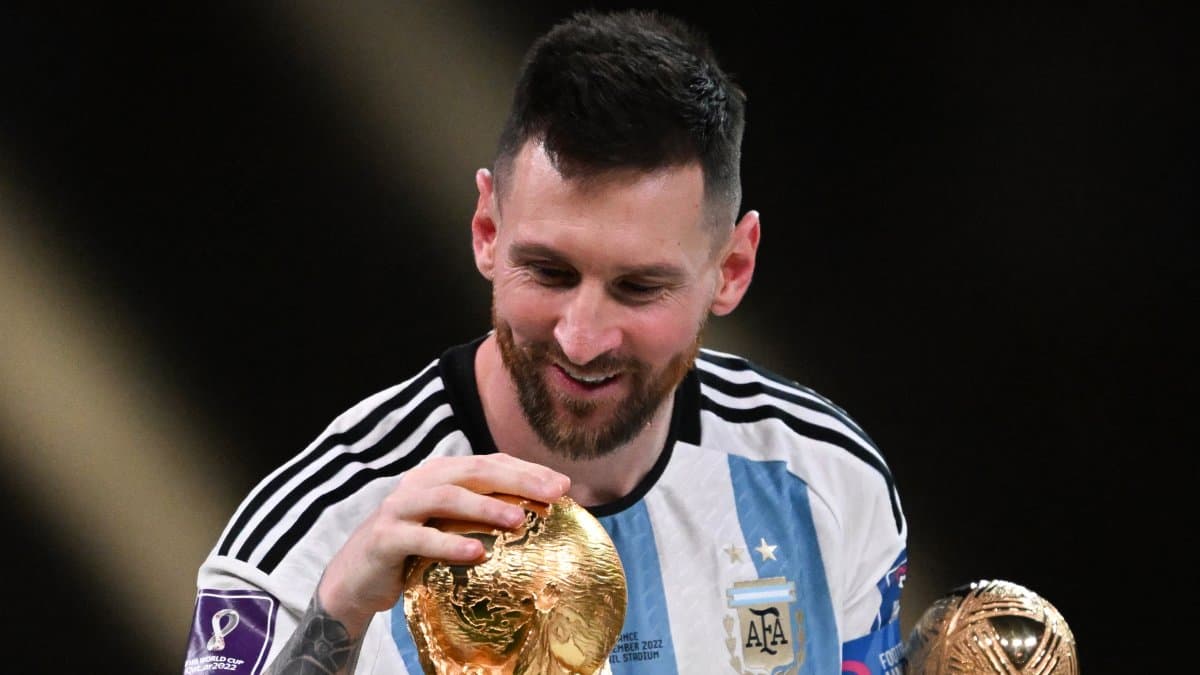

There is a popular anonymous proverb that says, "A winner is a loser who tried one more time." Of course, Lionel Messi was far from being a loser in 2021, when he won his first trophy with the Argentine national team, but he had been trying to reach that moment for fifteen years. It took seven coaches, unexpected defeats, and even questions about his "Argentinness" and his love for his country. That's why, beyond the titles and records, Messi's story with his country is also the story of a soccer player who refused to accept that a defeat would be the final chapter : a story of resilience.
For years, the relationship between Leo and Argentina was marked more by frustrations than by triumphs. The player who had won practically everything with FC Barcelona seemed doomed to fail to achieve the same success while wearing his country's jersey. And, for a long time, he had reason to believe he never would.
The story seemed to be going awry from the very beginning. Messi made his debut for Argentina on May 17, 2005 in a match against Hungary. That day, wearing the number 18 on his back, he came on as a substitute for Lisandro López as one of European soccer's most promising young players. However, the excitement lasted only 47 seconds. The Argentine was sent off for an elbow.
What came next is well-known history. A period dominated by "almost," the 2006 World Cup, 2007 Copa América, 2010 World Cup, 2011 Copa América, 2014 World Cup, 2015 Copa América, 2016 Copa América, 2018 World Cup, and 2019 Copa América. Years in which many couldn't understand how a player who was already emerging as one of the greatest soccer players in history couldn't win "anything" with his national team.
One of those defeats even pushed him to his limit: "It's over for me," he declared in June 2016 after losing the Copa América final to Chile in a penalty shootout. Frustrated and barely 29 years old, the world's best player had decided to retire from the national team.
Fortunately for him and for millions of Argentines, two months later Messi decided to change his mind and return to playing for Argentina.
Sports
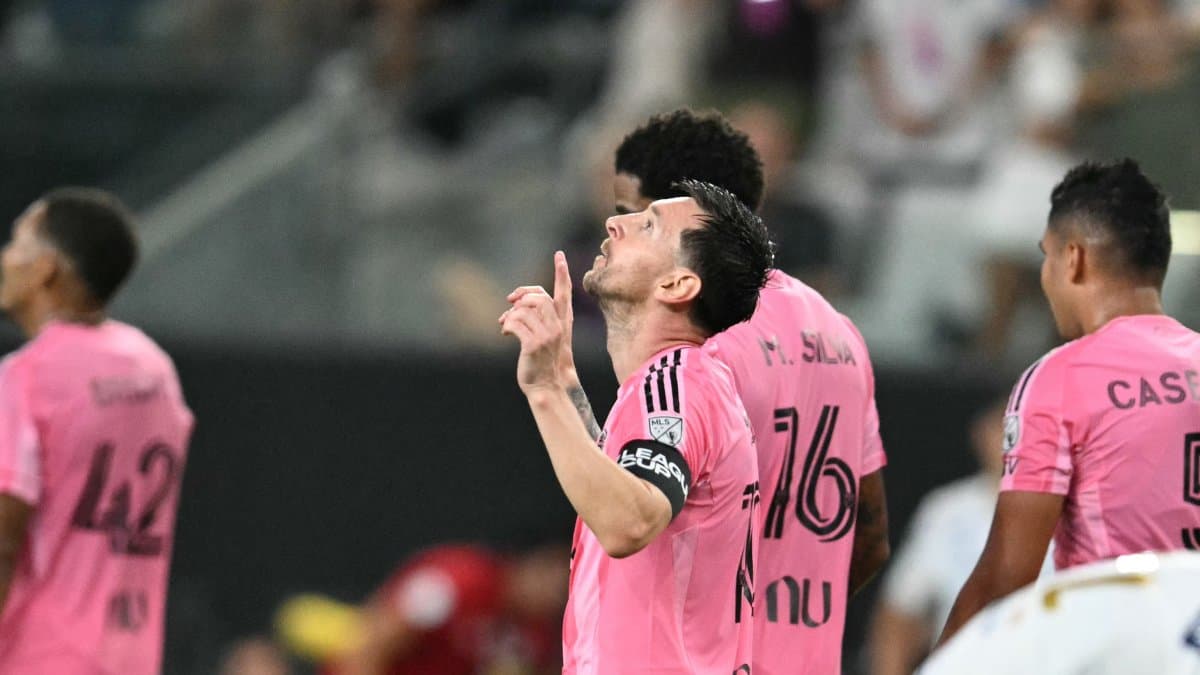
He's retiring for Argentina, but he'll stay in Miami: Leo Messi's economic legacy continues to grow in the US
Emmanuel Alejandro Rondón
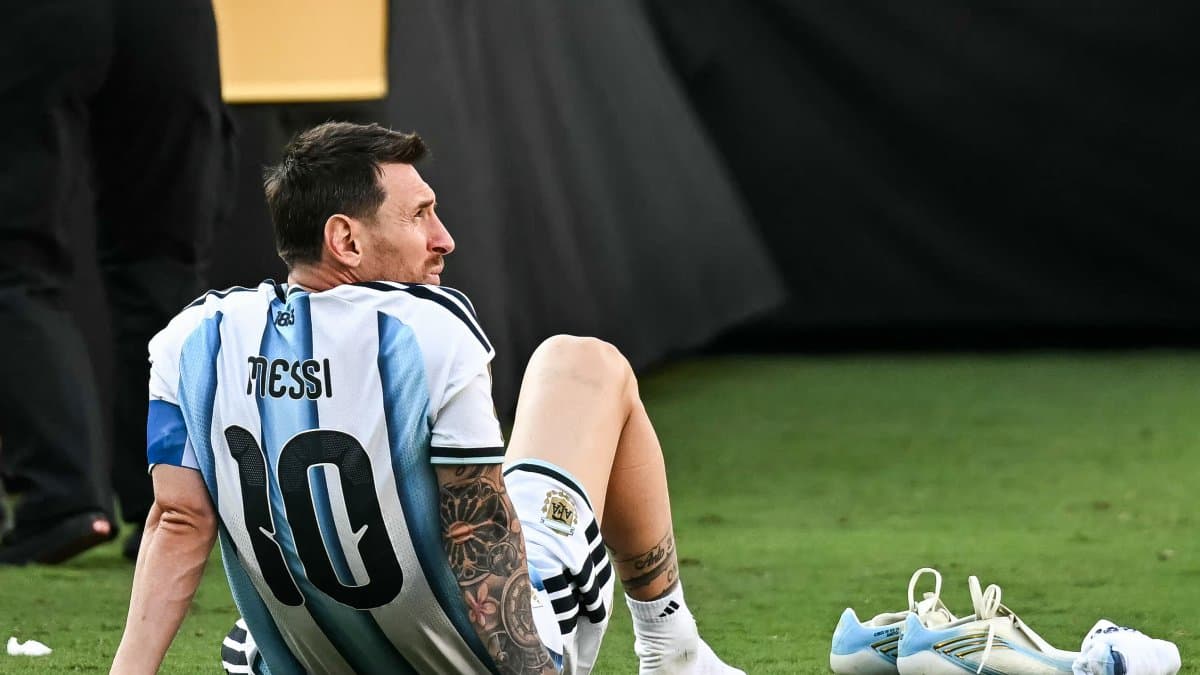
Success didn't come immediately; it took another five years until July 10, 2021. The world was emerging from a pandemic, and there was almost no crowd at the Maracanã Stadium in Rio de Janeiro. There, Argentina faced Brazil, the home team, in the 2021 Copa América final.
After a lone goal by Ángel Di María, a 200-kilo weight was lifted off Messi's shoulders. He showed it when the match ended and let himself fall to the ground—relieved. One of the most memorable scenes of that night was the slow-motion hug he shared with coach Lionel Scaloni. In hindsight, one could say that hug marked the beginning of a golden era for the Argentine national team, led precisely by Messi.
A year later would likely come the most important moment in the "No. 10's" career: the 2022 World Cup in Qatar. Almost as if in response to his critics, who argued that Messi "disappeared" in important matches with Argentina, Messi was the undisputed star of his team. He scored seven goals and had three assists throughout the tournament, becoming the first player to score in every stage of a single World Cup.
After a heart-stopping final against France and an almost divine save by goalkeeper Emiliano Dibu Martínez, Messi won the World Cup with his country and finally shook off the disappointment of 2014.
"I had said it once before. I think it was before 2014. I said I knew God was going to give me a World Cup. Then came Brazil, where we came so close. I felt it—I sensed that He had this in store for me—and I think he was waiting for the right moment. I don't think there was a better moment than this, just as there was no better moment for the Copa América. I thank him every day of my life for everything he has always given me. I can't ask for anything more—thanks to him, I have everything," he declared a few months after that final.
Having reached the pinnacle, it wouldn't have been illogical to retire from the national team. However, Leo was still hungry for titles with Argentina. More than a year later, he won another Copa América, this time in 2024 in the United States, and once again lifted a trophy while wearing the jersey that, for so many years, had given him more headaches than joy.
By then, Messi—who had once been questioned for his supposed detachment from Argentina—had become the captain of a generation that brought his country back to the pinnacle of world soccer. He had embroidered another star on the national crest.
He even had the luxury of competing at age 39 in the 2026 World Cup in the United States. Surprising many with his exceptionally high level of play, he was the star of the team that finished as runner-up. And just in case there were any doubts about his ambition, he broke down in tears after losing the final to Spain. Yes, probably the greatest soccer player in history still wanted more.
So, on August 31, 2026, Messi announced his retirement from the Argentine national team. After 207 games, 125 goals, 68 assists, and 4 titles.
The protagonist of this story was eliminated many times, missed penalty kicks, endured criticism, and even went so far as to quit. For years, success always seemed to be just one game away. But he decided to come back. He decided to try one more time (or several more times).
That is why, when Lionel Messi's career with Argentina is looked back on, his goals and trophies will hold a special place. But perhaps his most important legacy is something else: having shown that even for one of the greatest soccer players of all time, a loss doesn't have to be the end. His story with Argentina wasn't defined by the finals he lost, but by everything he did after losing them.
🛠 Do you think there is an error in this article?
Recommendations


LATEST